


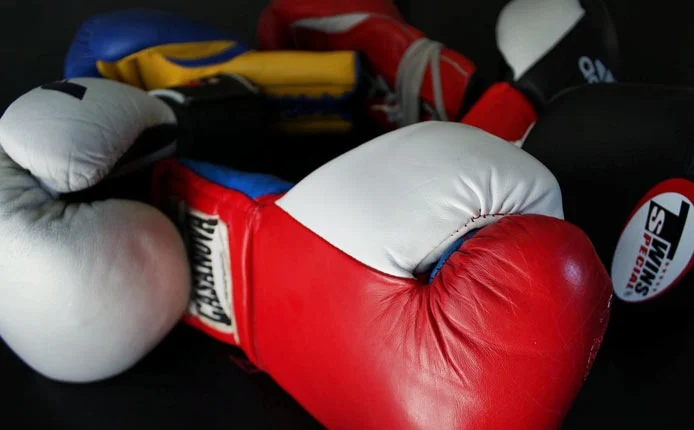
Navigating the modern market for boxing, mixed martial arts, and combat sports equipment has become increasingly confusing for consumers. Over two decades ago, fighters could choose from a small handful of established brands, making it relatively simple to identify high-quality gear. Today, hundreds of new brands flood the market, offering endless designs, colorways, and price ranges while all claiming to deliver the highest standard of quality. Amid conflicting reviews and aggressive marketing, veteran fighters and industry experts argue that the vast majority of available gear fails to meet the rigorous demands of serious training.

With more than ten years of active experience inside serious boxing gyms—surrounded by dozens of training champions—industry veterans emphasize that true quality comes down to hand protection, construction integrity, and functional design. The modern marketplace is heavily saturated with mass-produced equipment that outsources manufacturing to overseas factories, utilizing generic design templates disguised with flashy aesthetics. Understanding how gloves are constructed, which materials matter, and how different manufacturing countries approach the craft is essential for anyone looking to protect their hands over a lifetime of training.

The Global Landscape of Boxing Glove Manufacturing
The world’s best boxing gloves originate from a handful of countries with rich fighting traditions and specialized artisan communities: America, Japan, Mexico, Pakistan, and Thailand. Each region brings distinct philosophies, labor practices, and material sourcing to the table, heavily influencing the performance and durability of the final product.

American boxing companies historically set the benchmark for quality, but many eventually prioritized profit margins over craftsmanship. Production was largely outsourced overseas, shifting away from in-house artisans to machine-driven factory output. While classic American gear was engineered to last, contemporary mainstream brands often cater to casual fitness enthusiasts looking for cool graphics rather than serious athletes requiring rigorous protection.

In contrast, Mexico maintained its local manufacturing traditions, passing hand-crafting knowledge down through generations. Reputable Mexican brands utilize high-quality native leather and are rigorously tested by the aggressive, high-output fighting styles prevalent in the region. The true secret of Mexican-style gear lies in its ergonomic shape, which naturally aligns the hand and wrist to support proper punching mechanics. However, because these traditional methods rely heavily on hand labor, production runs remain smaller, and many top Mexican brands lack massive global distribution.

Japan combines a rich boxing culture with a relentless pursuit of technological perfection. Japanese manufacturers produce some of the most advanced padding systems in the world, prioritizing superior knuckle protection and ergonomic comfort without relying on gimmicks. Their engineering standards remain unmatched, making them the preferred choice for elite fighters and those managing hand injuries.

Thailand has similarly preserved its localized manufacturing heritage, though its production is heavily specialized for Muay Thai and kickboxing. While Thai brands offer exceptional durability and fair pricing, their padding distribution and wrist flexibility are optimized for clinching and blocking kicks, differing significantly from the structural requirements of traditional Western boxing.

Pakistan has rapidly emerged as a dominant global manufacturing hub, supplying the vast majority of white-label and budget gear found worldwide. While the country boasts an extensive leather industry and highly skilled artisans capable of producing functional equipment, many brands utilize lower-grade materials and copy existing design templates without a deep understanding of boxing culture or biomechanics.

Evaluating Fit, Padding, and Construction Criteria
Selecting the right pair of gloves requires a clear understanding of how construction elements affect performance and safety. Training gloves generally serve three distinct functions: bag gloves protect the wearer with dense foam, sparring gloves utilize softer padding to protect training partners, and versatile training models attempt to balance both needs.

Glove fit dictates how securely a hand feels during impact. A proper fit prevents the hand from shifting excessively, which compromises wrist stability, while avoiding overly tight compartments that restrict circulation. Furthermore, thumb attachment design plays a crucial role in preventing accidental injuries during intense sparring sessions.

Padding design remains the single most important factor in preventing long-term hand damage. Traditional horsehair padding offers maximum power transfer for professional competitions but breaks down quickly and lacks adequate training protection. Modern training gloves rely primarily on latex or multi-layer foam formulations. Multi-layer foam combines soft inner layers for comfort with denser outer layers to absorb shock and provide solid impact feedback. Conversely, gel-infused padding—often marketed as a revolutionary technological advancement—frequently receives criticism from purists because it fails to compress predictably upon impact, potentially destabilizing the wrist.

Closure systems—split between traditional lace-ups and hook-and-loop velcro straps—offer distinct trade-offs. Laces provide superior wrist support and a secure, customized fit, whereas velcro straps offer unmatched convenience for athletes training independently.

Brand Rankings and Industry Standouts
Among top-tier training options, Japanese-engineered Winning gloves remain the undisputed gold standard for hand protection and comfort, frequently recommended for fighters with sensitive hands despite their premium price tag. Canadian manufacturer Rival bridges traditional craftsmanship with modern ergonomics, incorporating innovative wrist-support systems and advanced shock-absorption technology.

Classic Mexican brands such as Necalli, Cleto Reyes, and GIL offer rugged durability, traditional styling, and exceptional leather quality. While Reyes is celebrated globally as the ultimate "puncher’s glove" for its minimal padding and maximum power transfer in professional bouts, its stiff profile makes it less ideal for daily gym sparring compared to heavily cushioned alternatives.

Budget-conscious fighters and beginners often find reliable performance in alternative models like the Ring to Cage C-17, which offers a close approximation of high-end Japanese protection at a fraction of the cost, or foundational offerings from established international suppliers. Ultimately, investing in quality gear protects not just your hands during a workout, but your physical well-being for the rest of your life.