


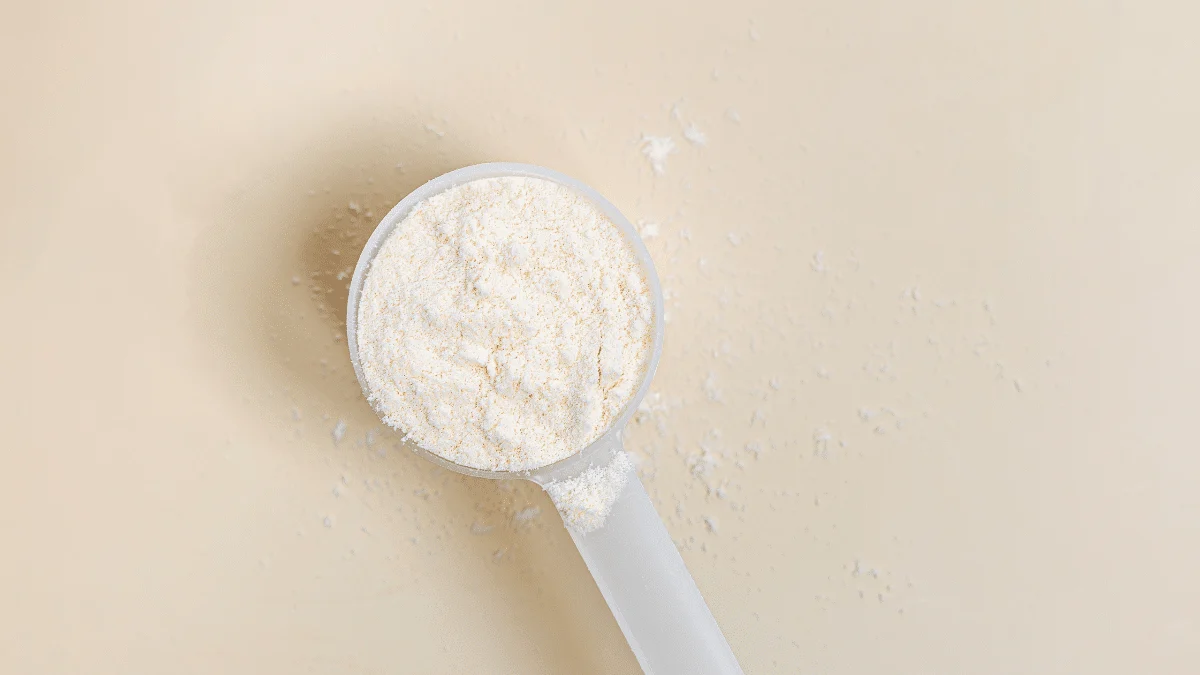
For more than a decade, fitness enthusiasts and supplement manufacturers alike have treated the amino acid leucine as the undisputed master switch for building muscle. Back around 2013, the supplement market experienced an absolute boom centered on branched-chain amino acids (BCAAs) and isolated leucine, with brands aggressively marketing the exact milligram quantities of leucine packed into their powders and pills as the key to maximizing gains. To this day, many supplement formulations still lean heavily on these claims to attract consumers looking for an edge in the gym.
To be entirely fair to the science, the fundamental premise behind these marketing campaigns is not entirely false. Leucine is indeed an essential amino acid that plays a critical role in triggering mTORC1 signaling, the cellular pathway that initiates muscle protein synthesis. Furthermore, sports science has established clear mechanistic evidence demonstrating that a rigorous bout of resistance training can increase muscle tissue sensitivity to leucine for up to 48 hours post-exercise.
However, sports scientists and researchers have long emphasized that a biochemical mechanism does not automatically translate into superior real-world outcomes. The more pressing question facing active individuals is not whether leucine can trigger the pathways responsible for muscle protein synthesis, but whether actively supplementing with isolated leucine—particularly for individuals already consuming a diet relatively high in protein and engaging in regular resistance training—actually produces superior gains in strength and overall muscle hypertrophy.
A comprehensive new systematic review focusing on young, active adults suggests that the answer to that question is typically no. Looking across a series of randomized trials involving healthy, trained participants following structured training programs, the research found that adding leucine supplementation provided no measurable improvements in muscle growth, strength development, or physical recovery when compared directly against a control group receiving a placebo.
This lack of supplementary benefit is not limited to young, recreationally active gym-goers. Similar conclusions emerge when examining broader meta-analyses investigating the effects of leucine supplementation on older populations, including individuals dealing with sarcopenia, the age-related loss of muscle mass and function. Across these studies, leucine supplementation failed to demonstrate any clear, consistent benefits for parameters such as lean body mass, handgrip strength, or leg press performance, regardless of whether the older participants were actively engaging in structured resistance training or living a sedentary lifestyle. While some studies noted a modest benefit for handgrip strength when leucine was combined with vitamin D, researchers point out that such outcomes come with specific conditional factors rather than standing as a universal endorsement of leucine alone.
Much like younger demographics, older adults appear to find that standard resistance training paired with an adequate overall daily protein intake is entirely sufficient to stimulate gains in both strength and muscle mass. It is worth highlighting that when sports nutritionists refer to an "adequate" protein intake, they are not necessarily pointing toward extreme or unattainable dietary regimens. For instance, several of the clinical studies examining older adults utilized a baseline protein intake of roughly 1.2 grams of protein per kilogram of body weight, an amount widely considered more than sufficient to cover the physiological requirements for muscle growth and maintenance.
When researchers broaden their focus to evaluate branched-chain amino acids and essential amino acids (EAAs) as a whole, additional limitations come to light. Current scientific literature indicates that BCAA supplements are likely inferior to complete protein sources when it comes to spiking muscle protein synthesis. Meanwhile, essential amino acid supplements may serve as a passable option under specific circumstances where an individual’s total dietary protein intake is severely deficient, but they still fall short of the benefits provided by whole food proteins or balanced protein powders.
Ultimately, this body of research delivers largely reassuring news for fitness enthusiasts and athletes trying to navigate a crowded and expensive supplement market. It is exceptionally likely that most people do not need to spend their hard-earned money on standalone leucine, BCAA, or EAA supplements, provided their daily protein intake does not remain critically low over extended periods. Avoiding these products also spares consumers from enduring the notoriously harsh and bitter taste profile associated with pure leucine supplements. At the end of the day, even the occasional day of lower-than-average protein consumption is exceptionally unlikely to have any meaningful negative impact on long-term muscle gains, particularly for individuals who maintain consistency in their resistance training routines.