


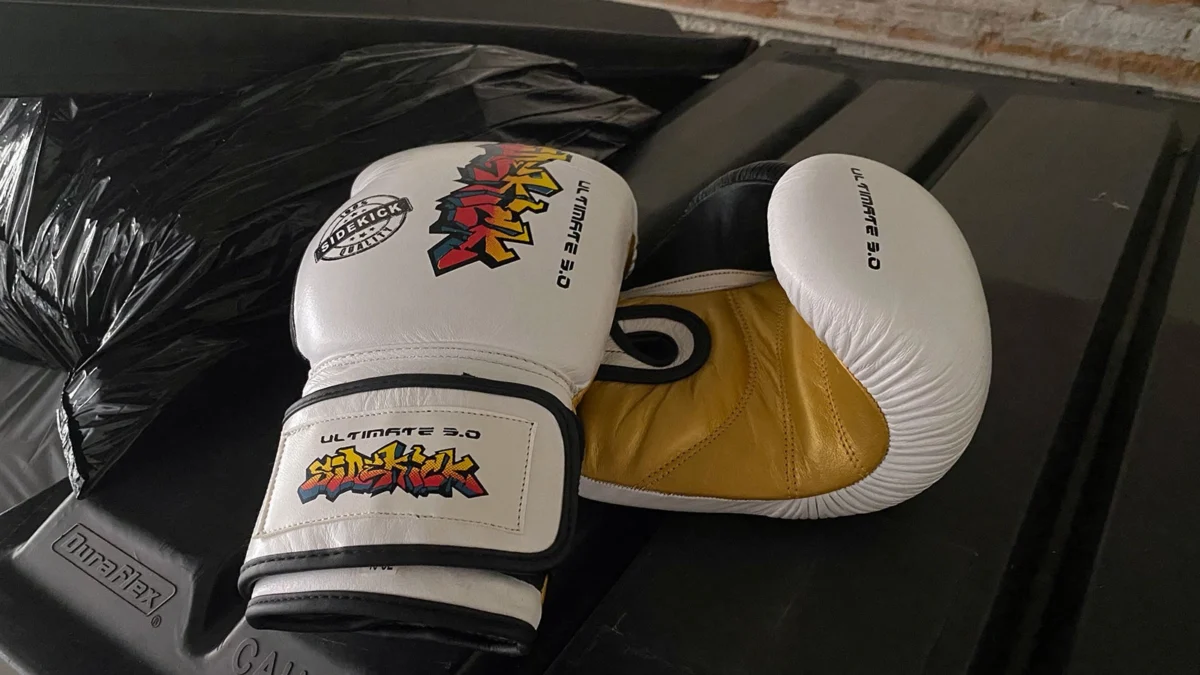
In the world of combat sports, the choice of equipment is never something to take lightly. Fighters rely on their gear to protect their most vital tools—their hands. Recently, equipment reviewers and boxing analysts have turned a critical eye toward budget-friendly alternatives flooding the market, seeking to determine whether low-cost gear can truly meet the rigorous demands of training. One such brand under the microscope is Sidekick, a United Kingdom-based company that markets affordable boxing gloves manufactured overseas, ostensibly in Pakistan.

For those looking to save time and streamline their purchasing decisions, the verdict from recent evaluations is blunt: skip the brand entirely, ignore further reviews, and look elsewhere for hand protection. However, for fighters, coaches, and enthusiasts who require a detailed breakdown of why this equipment falls short, the analysis reveals deep structural and safety flaws that make these gloves a hazard in the gym.

Poor Quality and Protection
The evaluation of Sidekick’s product line began when the manufacturer shipped two pairs of gloves for testing. The reviewer entered the process with a transparent warning to the company: any product that failed to meet basic performance and safety standards would receive a rigorous and uncompromising critique. Unfortunately for the brand, the delivered equipment lived down to the lowest expectations, failing to provide adequate performance during standard boxing drills.

On a standard rating scale ranging from one to five—where one represents unusable equipment and five signifies elite-tier gear—Sidekick gloves consistently scored between a dismal one and two. The pricing structure for the brand places their entry-level gloves at approximately 20 British pounds, roughly equivalent to 25 US dollars. Meanwhile, their top-tier offerings command around 55 British pounds, or about 60 US dollars. The pairs received for this evaluation belonged to this higher-end tier, yet they demonstrated a level of quality so poor that they were classified as effectively unusable for serious training. Given that these represented the best the brand had to offer, the performance of the cheaper models can only be imagined as entirely inadequate.

The primary concern extending from this evaluation is not merely about product durability or cosmetic finish, but rather the fundamental safety of the athlete. Hand protection is critical in boxing, kickboxing, and mixed martial arts. A fighter relies on healthy, uninjured hands not just for their sport, but for daily life, work, and basic physical tasks outside the gymnasium. Using subpar equipment introduces unnecessary risks of fractures, sprains, and chronic joint damage.

Recommendations against using these gloves are absolute, extending even to complete beginners who might otherwise be tempted by the low price tag. While it is theoretically possible to use extremely cheap gloves if a trainee restricts themselves to punching at a mere twenty-five percent power, doing so defeats the purpose of realistic training. In any normal training scenario where a boxer needs to throw punches with proper technique and legitimate force, these gloves fail to provide the structural support, wrist stability, and padding density required to absorb impact safely. Ultimately, saving money on inexpensive gear is never worth compromising long-term hand safety.