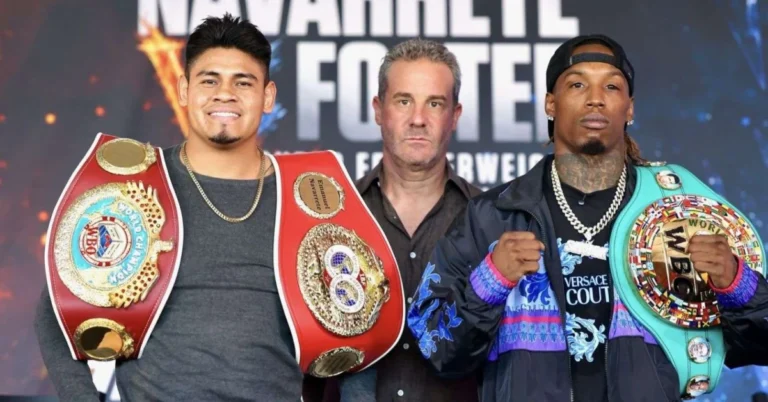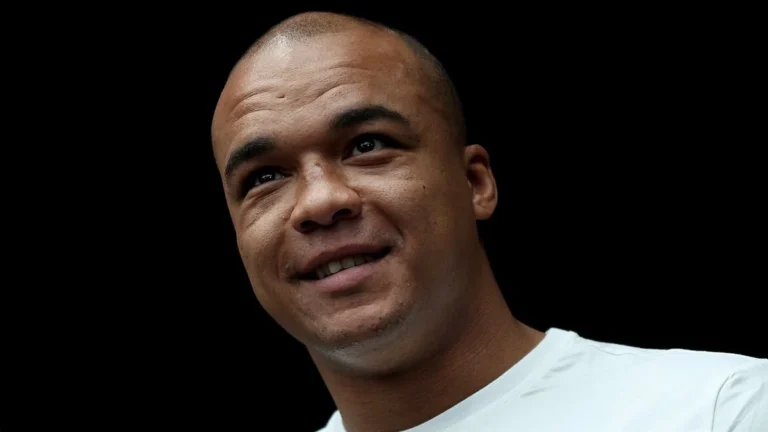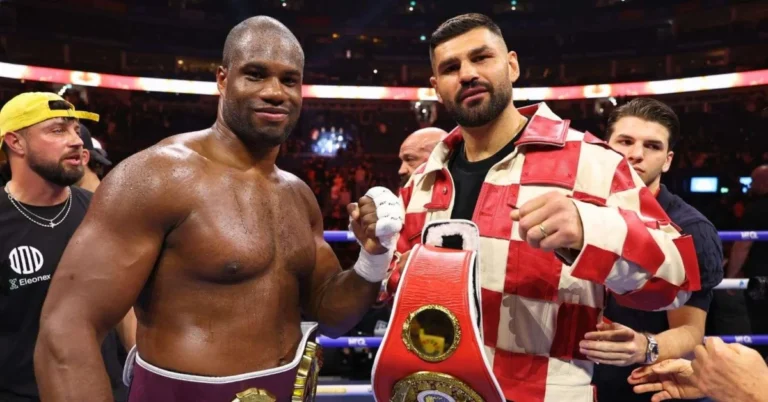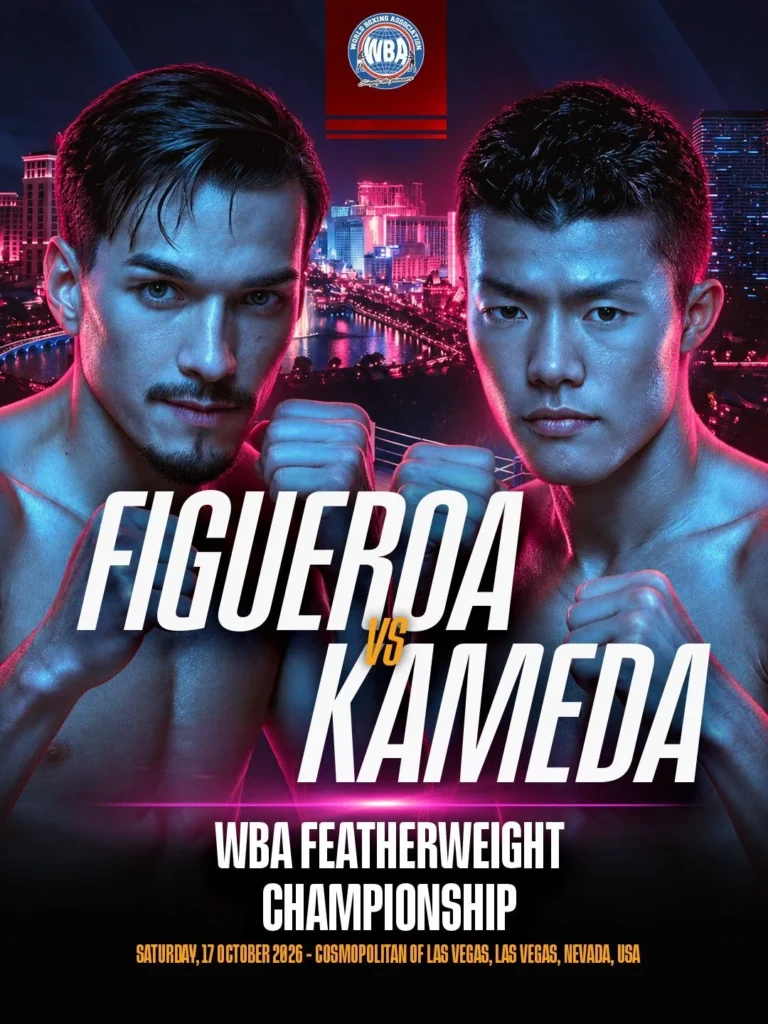
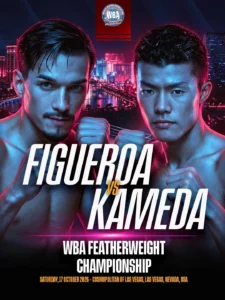
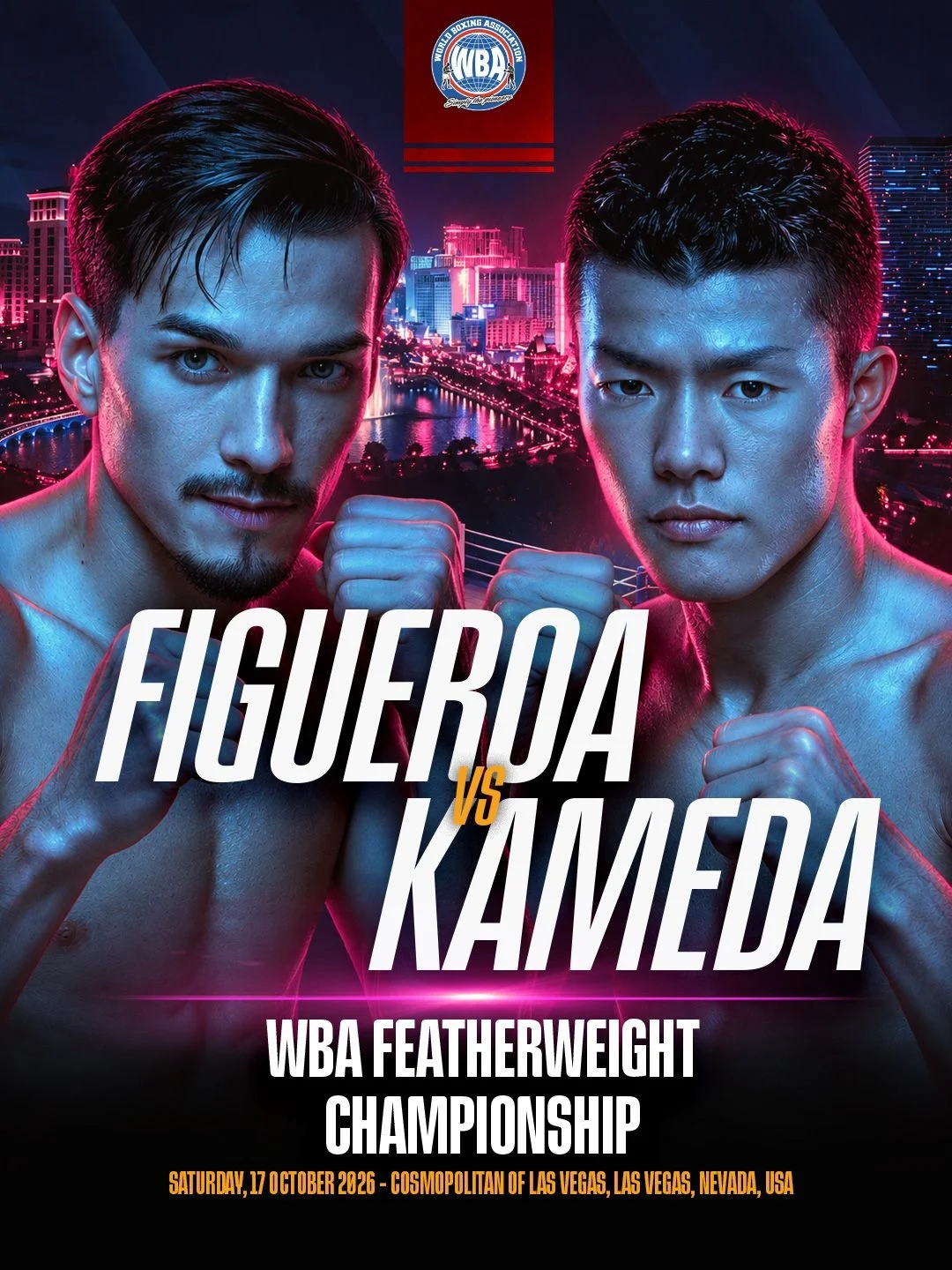
When the lights illuminate the ring at The Cosmopolitan in Las Vegas, Nevada, on Saturday, October 17, boxing purists and sports fans alike will witness a classic study in tactical contrast. The world championship fixture brings together American star Brandon “The Heartbreaker” Figueroa and veteran Japanese contender Tomoki “El Mexicanito” Kameda in a highly anticipated contest for the World Boxing Association (WBA) World Featherweight Championship. Hosted in one of combat sports’ premier destination venues, the fight represents far more than just a battle for a belt; it stands as an intriguing strategic collision between two elite athletes possessing vastly different fight philosophies, physical tools, and ring methodologies.
Championship bouts in the featherweight division frequently produce high-velocity action, but few matchups offer such a sharply defined contrast in approaches to the sweet science as the one scheduled for Las Vegas. The bout puts a high-volume, unrelenting physical pressure fighter directly in front of a refined, mobile technical boxer who has spent years honing his craftsmanship across multiple continents. With prestigious WBA world honors hanging in the balance, both competitors enter Nevada aware that the winner will not only claim title supremacy, but also establish absolute authority at the top tier of the 126-pound weight class. The stage is set for a grueling, high-stakes encounter where physical endurance, mental fortitude, and tactical flexibility will dictate the ultimate outcome.
For Brandon Figueroa, the Texas-born fighter known to fans as "The Heartbreaker," this championship clash represents another crucial opportunity to solidify his legacy in modern boxing. Figueroa has earned a formidable reputation throughout the sport for his uncompromising, relentless style inside the squared circle. Unwilling to yield ground or allow his opponents a moment of rest, the Texas native has built a identity defined by sustained forward momentum and ironclad physical durability. Every time he steps into the ring, Figueroa seeks to turn the contest into an intense physical battle, systematically forcing his rivals out of their comfort zones and breaking down their strategic game plans through sheer volume and pressure.
What makes Figueroa particularly dangerous is his ability to apply immense, suffocating pressure despite possessing physical dimensions that often favor long-range boxing. While many fighters boasting significant height and reach advantages prefer to stay on the outside—firing jabs from distance and maintaining physical space—Figueroa utilizes his frame in an aggressively unconventional manner. He leverages his height and reach to smother opponents, using his long limbs to control his rival’s guard, trap arms on the inside, and unleash multi-punch combinations from unpredictable angles. Rather than remaining at a safe range, he uses his physical size to overpower opponents in close quarters, leaning on them inside and creating a claustrophobic atmosphere from which escape is exceedingly difficult.
Central to Figueroa’s offensive mechanics is his seamless ability to switch stances throughout the duration of a fight. Moving fluidly between orthodox and southpaw alignments, "The Heartbreaker" constantly alters his hitting lanes and angles of attack, making it extraordinarily difficult for opponents to settle into a rhythm or establish a stable defensive pattern. This constant stance variation is paired with an astonishing punch volume that places extreme demands on anyone sharing the ring with him. His primary tactical objective when the bell rings at The Cosmopolitan will be to close the distance immediately, taking away Kameda’s operational space. By disrupting Kameda’s footwork and relentlessly hammering the challenger’s body from the opening bell, Figueroa aims to invest heavily in body work, systematically draining the Japanese contender’s stamina round by round until his mobility is compromised.
Standing across the ring from Figueroa’s relentless forward attack is Tomoki Kameda, a fighter whose nickname, "El Mexicanito," highlights one of the most unique backgrounds in contemporary boxing. Hailing from Japan, Kameda brings an extensive international pedigree that bridges two of the world’s most storied combat sports traditions. His fighting identity is a rare fusion, combining the strict discipline and quick reflexes characteristic of traditional Japanese boxing with the technical craft, body mechanics, and fluid inside-outside counterpunching refined within the Mexican boxing school. Having logged more than 45 professional bouts over a distinguished career, Kameda possesses a wealth of veteran experience gathered on major fight cards across the globe, providing him with a calm, seasoned demeanor on big stages.
Kameda’s extensive background will be tested against an attacker of Figueroa’s relentless nature, but the Japanese challenger understands precisely what is required to neutralize a high-volume pressure fighter. Having spent years competing against diverse styles on the international stage, "El Mexicanito" is fully aware of the existential danger presented by getting backed against the ropes or trapped in corners by an aggressive opponent. For Kameda, success in Las Vegas will rely entirely on ring generalship, sharp defensive reflexes, and continuous spatial awareness. His technical plan requires establishing a disciplined rhythm, using quick entries to land crisp shots before making rapid, clean exits to neutral space, ensuring he never remains stationary long enough for Figueroa to initiate heavy inside exchanges.
The cornerstone of Kameda’s strategy against Figueroa will be a sharp, authoritative jab. A precise jab serves as the ultimate defensive tool against an advancing pressure fighter, acting as a dynamic barrier that can repeatedly halt forward march, disrupt timing, and obstruct vision long enough to escape dangerous angles. Beyond the jab, Kameda’s footwork will need to be near-flawless. Rather than retreating in straight lines—a dangerous error against a tall pressure fighter with a long reach—Kameda must employ lateral movement and constant pivots around the champion. By pivoting away from the center line whenever Figueroa commits his weight to heavy forward attacks, Kameda can exploit open spaces, landing sharp counterpunches while forcing Figueroa to turn and reset his stance.
This championship matchup creates a compelling physical and psychological tug-of-war. Figueroa’s strategy is rooted in physical attrition and relentless wear-and-tear; he aims to transform the bout into a grinding, high-pace brawl where output and endurance supersede technical precision. Every stance switch, body blow, and inside exchange from Figueroa is designed to force Kameda into an explosive, high-energy struggle that depletes his power reserve. Conversely, Kameda’s blueprint demands ultimate composure and spatial discipline. He must resist the temptation to engage in prolonged inside exchanges, maintaining his cool under pressure and executing a calculated counterpunching game plan that punishes Figueroa for any overcommitment.
As the bout progresses into the middle and late rounds, the tactical dynamic will inevitably pivot around energy expenditure and physical damage. If Figueroa succeeds in cutting off the ring, closing the distance, and pinning Kameda along the ropes, the champion’s height, reach, and relentless work rate could prove decisive. The cumulative toll of absorbing heavy body shots while fighting off the back foot can rapidly sap a boxer’s legs and slow down dynamic footwork. However, if Kameda can maintain control of the center ring, navigate the early pressure, and consistently make Figueroa miss, the champion may expend massive amounts of energy swinging in close quarters while absorbing clean counterpunches on the way inside.
Ultimately, the battle for the WBA World Featherweight Championship at The Cosmopolitan represents a pure manifestation of boxing’s enduring debate: whether relentless forward pressure can break down technical skill and footwork, or if defensive reflexes and precise counterpunching will prevail over high-volume aggression. Figueroa brings an unyielding forward drive, punishing inside work, and a non-stop offensive assault that presents a severe test for any opponent. Kameda counters with extensive international experience, sharp ring generalship, defensive composure, and a background forged in two distinct boxing cultures.
When both combatants step through the ropes on Saturday night in Las Vegas, the WBA World Featherweight Championship will belong to the fighter who best executes his distinct style under maximum pressure. With Brandon Figueroa intent on asserting his dominance through physically suffocating pressure and Tomoki Kameda plotting a path to victory through movement and counterpunching, the stage is set for a high-level championship battle at the heart of the Las Vegas strip.