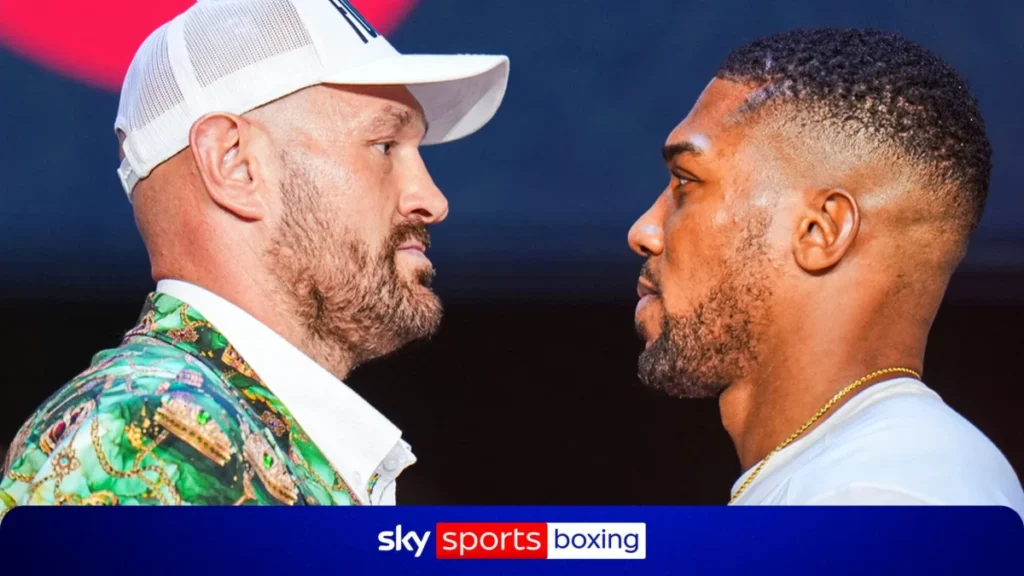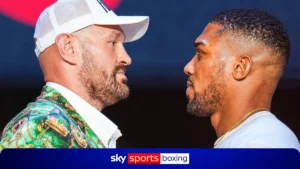
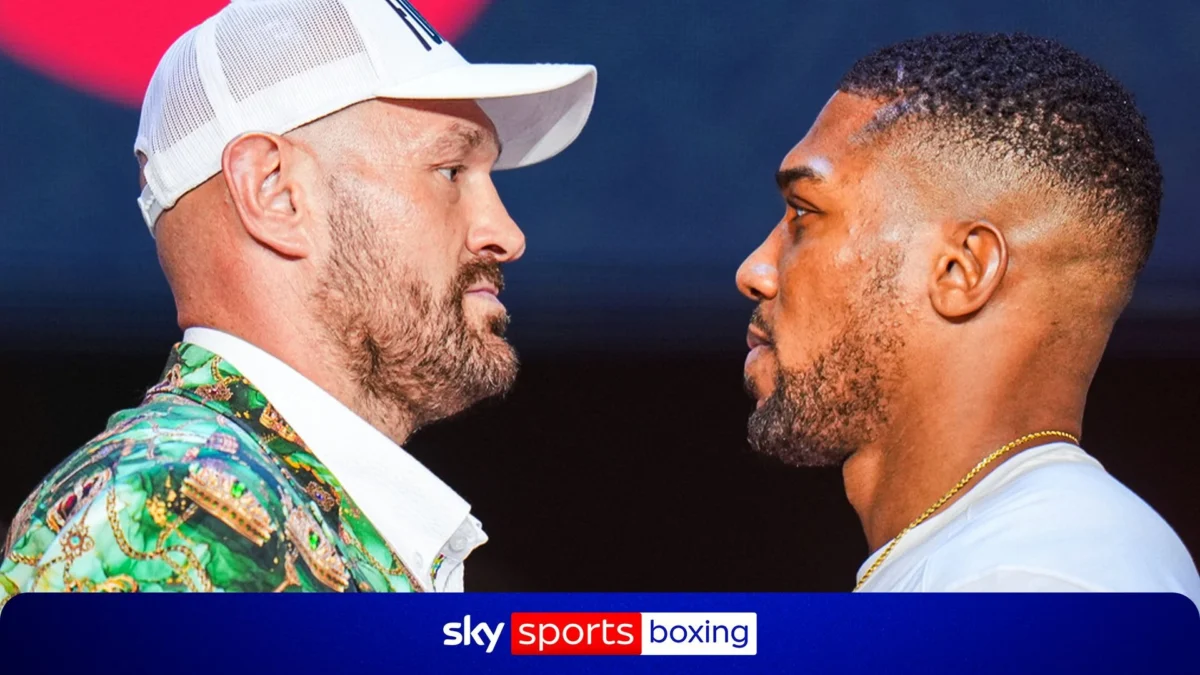
As the long-anticipated heavyweight clash between Tyson Fury and Anthony Joshua nears reality, combat sports fans across the globe continue to debate how the two British icons match up. While both fighters have established extraordinary resumes over the past decade, their careers have intersected through common foes, shifting world titles, and unprecedented global promotion.
Below, Sky Sports addresses the defining questions surrounding this monumental bout, evaluating their comparative performances, the business driving the event, physical preparations, and what the ultimate result will mean for the future of the heavyweight division.
Shared Opponents: How Do Fury and Joshua Compare Against Common Competition?
Evaluating fighters through shared opposition is a classic boxing barometer, and both Fury and Joshua have tested themselves against three notable common opponents: Oleksandr Usyk, Francis Ngannou, and Wladimir Klitschko.
Oleksandr Usyk
Both Fury and Joshua have shared the ring with the Ukrainian master twice, and both suffered defeats in each of those encounters. When Joshua first faced Usyk, he struggled to establish his rhythm or capitalize on his size, resulting in a clear decision loss. However, Joshua put forth a visibly improved, more aggressive performance in their immediate rematch, even though Usyk ultimately secured the decision once again.
In contrast, Fury’s first encounter with Usyk saw the "Gypsy King" enjoy significant success during the opening half of the fight, using his reach and natural size to control distance before Usyk took over in the later rounds. Given the sustained success Fury experienced during the early stages of his initial bout with Usyk, Fury arguably delivered the superior peak performance against the pound-for-pound star, despite both men ultimately coming up short against him twice.
Francis Ngannou
The comparison flips drastically when analyzing their respective fights against former UFC heavyweight champion Francis Ngannou. Fury endured a notoriously difficult night against the combat sports crossover star, suffering a shocking knockdown before scraping by with a contentious split-decision victory. Joshua, on the other hand, made quick and decisive work of Ngannou, executing a devastating knockout performance that leveled the former MMA champion early in the contest.
Wladimir Klitschko
The two fighters met Wladimir Klitschko at very different stages of the Ukrainian legend’s career. Fury traveled to Düsseldorf, Germany, in 2015, where he produced a masterclass in psychological and defensive warfare, neutralizing Klitschko’s jab and earning a unanimous decision to end a decade-long reign.
When Joshua fought Klitschko eighteen months later at Wembley Stadium, he faced an older version of Klitschko who had likely digested the lessons of his loss to Fury. Klitschko dragged Joshua into a dramatic, floor-trading war, giving the younger fighter the most grueling test of his career before Joshua secured a spectacular eleventh-round stoppage. While Joshua finished Klitschko, Fury exercised far greater control over his night in Germany.
Ultimately, while Joshua blew away Ngannou with absolute authority, Fury holds the slight upper hand against elite opposition like Klitschko and Usyk, though arguments can easily be made for both men.
Future Pathways: Is an Usyk Trilogy Necessary, and Where Does Daniel Dubois Fit In?
With both fighters carrying two losses to Usyk, questions remain over whether the winner of Fury vs. Joshua could pursue a third bout with the Ukrainian. While Fury may naturally seek a trilogy to avenge his defeats, the broader appetite for such a contest remains questionable. Neither Fury nor Joshua holds a victory over Usyk, and while both of their initial rematches carried sufficient intrigue, a third fight for either man against Usyk is largely viewed as unnecessary by the wider boxing public.
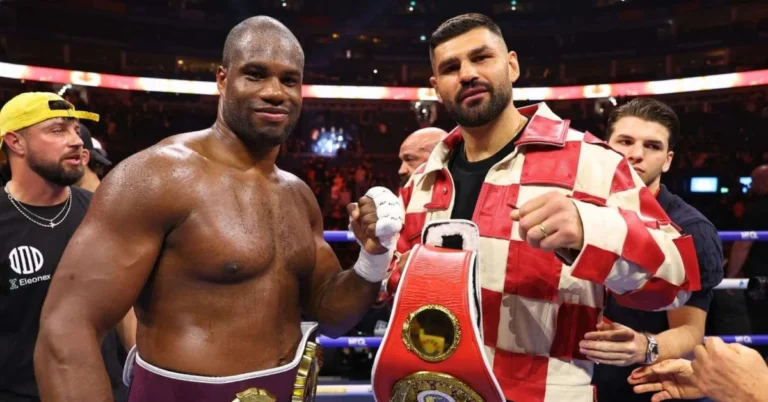
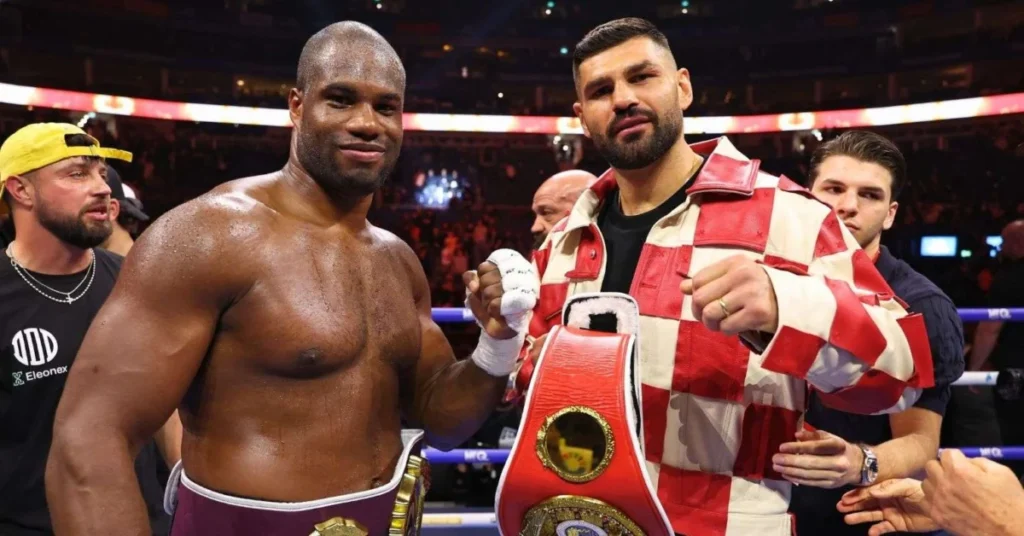
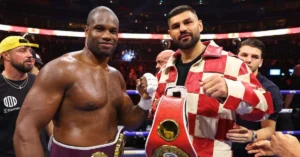
A far more compelling and commercially viable option for the victor lies in current WBO heavyweight world champion Daniel Dubois. Dubois has publicly voiced his desire to face Fury in a high-stakes British showdown, describing the potential matchup as a "ground-breaking" opportunity. With Dubois actively defending his crown and establishing himself at the elite level, a unification or title clash against the winner of Fury vs. Joshua represents an easier sell for promoters than pursuing another Usyk matchup.
The Title Situation: Why Is a WBA Belt on the Line?
One of the most perplexing aspects of the fight is the World Boxing Association’s decision to sanction the contest for a WBA ‘Super’ title. The sanctioning body has not publicly explained its reasoning for the decision, leading to widespread debate among experts and fans alike.
Neither Fury nor Joshua entered the buildup as the WBA’s top-ranked contender. Furthermore, the sanctioning body already has a recognized ‘regular’ titlist in Murat Gassiev. Despite these rankings and existing title structures, the WBA chose to insert a belt into the contest.
However, purists agree that a fight of this magnitude—a showdown between two former unified champions and defining figures of their era—transcends sanctioning body politics. The personal rivalry and legacy at stake ensure that the bout stands entirely on its own merits, regardless of whether a title belt is attached.
The Promotional Powerhouse: Who Is Behind the Event?
The realization of Fury vs. Joshua is fundamentally driven by Turki Alalshikh, Chairman of Saudi Arabia’s General Entertainment Authority (GEA). Providing the substantial financial backing required to pull both sides together, Alalshikh serves as the primary promoter bankrolling the event.
Interestingly, official announcements have highlighted a partnership with UFC Chief Executive Officer Dana White. White’s involvement introduces a dynamic shift in traditional boxing promotion, placing him alongside the existing contractual structures of Eddie Hearn’s Matchroom Boxing (representing Joshua) and Frank Warren’s Queensberry Promotions (representing Fury).
This convergence of powerbrokers brings together three distinct promotional entities under the umbrella of Saudi Arabian financial backing, reshaping how mega-fights in the heavyweight division are executed and distributed globally.
Legacy and Stakes: Who Needs the Victory More?
When evaluating the stakes based on career resumes, skills, and historic standing, both fighters carry immense pressure, but the necessity of victory arguably weighs heavier on Joshua.
Joshua boasts an exemplary resume filled with high-caliber contenders and former champions. However, he has never shared the ring with former long-reigning WBC champion Deontay Wilder. Fury, conversely, engaged in an iconic trilogy against Wilder, capturing the WBC title and securing two dramatic stoppage victories after a dramatic draw in their first encounter. Additionally, Fury has held every major heavyweight belt at various points in his career and produced highly competitive spells against Usyk.
For Joshua—an Olympic gold medalist and two-time unified champion—a win over Fury would solidify his standing alongside the premier heavyweights of his generation and quiet critics who question his place at the absolute top. For his overall legacy, Joshua needs this victory more than Fury, though both men have everything to lose in terms of divisional bragging rights.
Time Zone Adjustments and the US Streaming Audience
Despite featuring two British heavyweights, the event’s broadcast logistics are tailored heavily toward a primary US viewing audience. Broadcast live to a coast-to-coast American platform via Netflix, the main event is scheduled to take place during the early morning hours local time to hit prime-time viewing windows across the United States.
Adapting to an early-hours ring walk requires rigorous body-clock recalibration. Heavyweights are accustomed to adjusting their sleep and training schedules weeks in advance. During previous fight camps in Saudi Arabia, fighters like Joseph Parker completely inverted their daily routines—waking up at 4:30 p.m., eating breakfast at 5:00 p.m., and conducting peak physical sparring sessions at 2:00 a.m.
Fury has taken a direct approach to this timing requirement by basing his training camp in the United States, allowing him to remain aligned with the target time zone throughout his preparation.
Tactical Dynamics: Power, Stamina, and Potential Rematches
Can Joshua Match Fury’s Pace Over 12 Rounds?
Questions regarding Joshua’s stamina have occasionally surfaced due to his heavy, muscular frame. However, Joshua has completed the 12-round distance on five separate occasions in his career without experiencing significant conditioning failure.
While Fury possesses a more fluid rhythm, he does not typically set a relentless work rate. Instead, Fury’s tactical strength lies in forcing opponents to think constantly, disrupting their breathing patterns, and dragging them into a pace they are unaccustomed to maintaining. To test Joshua’s engine, Fury will need to force him to work at an unfamiliar intensity rather than relying on sheer volume.
Does Fury Have the Power to Stop Joshua?
Earlier in his career, Fury was viewed primarily as a mobile, defensive box-fighter rather than a one-punch knockout artist. However, under the guidance of trainer SugarHill Steward during his second and third fights with Deontay Wilder, Fury demonstrated devastating offensive power, going toe-to-toe and knocking out one of the hardest punchers in boxing history.
Joshua has shown vulnerability when caught cleanly, having been visibly hurt in past bouts, including a concerning moment against Kristian Prenga. Given Fury’s evolved power and ability to weigh heavy on opponents in close quarters, he poses a genuine stoppage threat to Joshua. Conversely, Joshua has expressed supreme confidence in his own power, publicly predicting a swift first-round knockout victory—a bold claim given Fury’s history of recovering from heavy knockdowns.
Sky Sports analyst Johnny Nelson noted following their introductory press conference that while mutual respect was displayed early on, tensions are expected to escalate significantly as fight night approaches. Boxing promoter Barry Hearn also echoed praise for the professional respect shown between both camps during initial face-offs.
What Happens in the Event of a Draw?
If the judges score the 12-round contest a draw, an immediate rematch would be practically guaranteed. Given the financial incentives, fan interest, and tactical adjustments coming out of a level contest, both promotional teams would run the fight back without hesitation.
Retirement Risks: What Does Loss Mean for Either Fighter?
The consequences of defeat could drastically alter the career trajectory of both fighters, though their post-fight choices may differ.
Fury has consistently maintained that he intends to fight for as long as physically possible. However, the Morecambe man has announced his retirement and subsequently un-retired multiple times throughout his career. A defeat might prompt another temporary departure from the sport, though his competitive instincts have historically drawn him back to the ring.
For Joshua, a heavy or decisive defeat could force a serious evaluation of his future. Having already achieved an Olympic gold medal, two unified heavyweight title reigns, and immense global stardom, Joshua has little left to prove financially or competitively. A severe loss could mark the natural conclusion to a legendary career.
Venue Selection and Undercard Details
The decision to host the event in Cardiff rather than London’s Wembley Stadium came down largely to logistics and unpredictable weather. Wembley lacks a retractable roof, making an early-morning main event in late autumn or winter a severe weather risk for fighters and fans. Cardiff’s climate-controlled environment mitigates these risks entirely.
While the full undercard remains unconfirmed, joint involvement from Queensberry Promotions and Matchroom Boxing ensures a stacked lineup. Dana White has indicated a desire to feature a marquee cruiserweight vs. heavyweight matchup between Jai Opetaia and Deontay Wilder on the bill. Announcements regarding local Welsh talent and additional supporting bouts are expected in the coming weeks.