

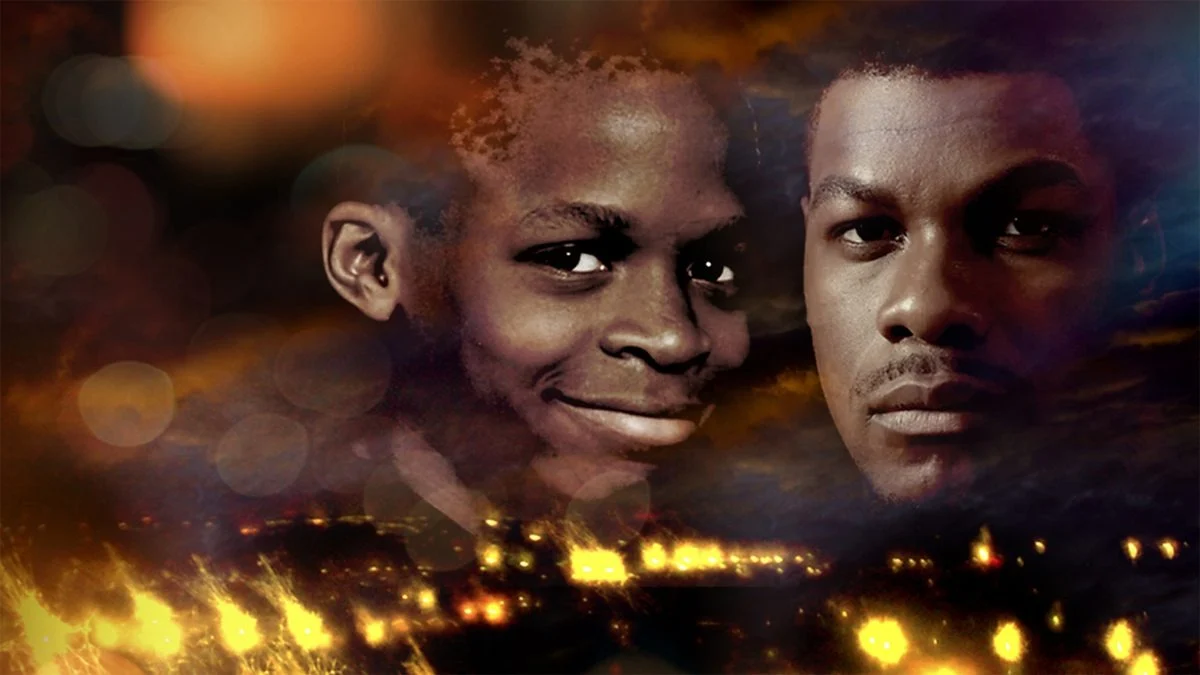
A landmark new documentary returning to the tragic death of ten-year-old Damilola Taylor promises to shed fresh light on one of the most heartbreaking and impactful events in modern British history. Produced twenty-six years after the horrific killing shocked the entire nation, the film re-examines the circumstances surrounding the young boy’s death through the lens of previously unheard testimony, offering audiences an intimate and expanded understanding of a story that profoundly transformed public consciousness across the United Kingdom.
The killing of ten-year-old Damilola Taylor twenty-six years ago stands as a watershed moment in British society, leaving an indelible mark on the public psyche and sparking urgent, national conversations regarding youth safety, justice, and community cohesion. The announcement of this new documentary marks a significant moment of retrospective reflection, coming at a time when the passage of more than a quarter of a century allows for a fresh, critical re-evaluation of the facts, the investigation, and the human human toll left in the wake of the tragedy.
By introducing new testimony, the documentary aims to provide viewers with fresh perspective and deeper clarity on what transpired on that fateful day. Investigative retrospectives of this nature play a crucial role in public broadcasting, serving not only to honor the memory of young victims but also to examine how historical events continue to echo through contemporary society. The inclusion of new witness accounts and untold stories allows the film to piece together a more comprehensive picture, potentially illuminating aspects of the narrative that were overlooked or understated during initial investigations and media coverage decades ago.
The passage of twenty-six years brings a unique dimension to the retelling of such a high-profile case. Over the span of nearly three decades, individuals involved in or affected by the events often find themselves in new positions to speak out. Changes in personal circumstances, time for quiet reflection, and the evolving distance from the immediate grief and pressure of the initial crisis can enable key witnesses, community members, or observers to share memories and details that they were previously unable or hesitant to articulate. This new testimony forms the backbone of the documentary, promising to offer fresh insights into the tragedy that forever changed how Britain viewed youth vulnerability and urban safety.
At its heart, the documentary centers on the life and loss of Damilola Taylor, a ten-year-old boy whose vibrant future was brutally cut short. His death sent shockwaves through every corner of the country, triggering widespread grief, outrage, and intense media scrutiny. The image of a young child losing his life under such harrowing conditions deeply troubled the public, prompting deep reflection on social conditions and the effectiveness of local support structures. By returning to his story, the documentary ensures that the human reality behind the headlines remains at the forefront of the narrative, reminding audiences of the profound loss experienced by his family and the wider community.
Given the deeply emotional and sensitive nature of the material, the documentary carries explicit viewer warnings noting that it contains upsetting scenes. Such advisories are a critical component of responsible broadcasting, particularly when dealing with tragic events involving young children and real-world violence. The inclusion of upsetting scenes underscores the documentary’s commitment to presenting an unvarnished and authentic account of the event, refusing to shy away from the stark and painful reality of what occurred while providing audiences with necessary forewarning regarding graphic or distressing details.
The broadcast and streaming release of the film reflects modern public service broadcasting standards, making the program widely accessible to diverse audiences across multiple digital formats. Available on BBC iPlayer, the release includes targeted accessibility options, notably featuring dedicated versions with Audio Description for visually impaired viewers and Sign Language interpretation for the deaf and hard-of-hearing community. Furthermore, viewers are provided with digital tools to add the documentary directly to their personal Watchlists on the streaming platform, ensuring that the critical film can be viewed flexibly and thoughtfully by audiences seeking to engage with this important historical story.
The availability of specialized accessibility formats highlights an increasing commitment within media production to ensure that stories of significant national interest are fully inclusive and available to all members of the public. By offering Audio Described and Sign Language versions alongside standard streaming broadcasts, the platform ensures that the new revelations and testimonies contained within the film reach the broadest possible audience, allowing everyone to participate in the ongoing dialogue surrounding the case and its long-term implications.
Retrospective documentaries focused on historical criminal cases fulfill a key journalistic and cultural function. Beyond simply recounting known timelines, they serve as vital historical records that preserve public memory and subject past events to rigorous modern analysis. In the case of Damilola Taylor, whose death reshaped policy debates and public attitudes twenty-six years ago, a comprehensive re-investigation allows contemporary viewers to understand both the immediate crisis and the long-term societal shifts that followed in its wake.
The decision to revisit the case twenty-six years later also highlights the enduring power of investigative journalism to uncover new facts long after official proceedings have concluded. When high-profile cases fade from daily headlines, the underlying trauma and lingering questions often remain unresolved for those most closely affected. Media projects that dedicate resources to gathering fresh testimony help ensure that such stories remain active in the collective consciousness, demonstrating that time alone does not lessen the importance of seeking full truth and understanding.
The initial news of Damilola Taylor’s death twenty-six years ago provoked an unprecedented response across Britain, dominating headlines and driving intense discussions among policymakers, community leaders, and the general public. The tragic loss of a ten-year-old boy became a defining moment for a generation, exposing vulnerabilities and inspiring numerous initiatives aimed at protecting young people and supporting fragile communities. Returning to this story today offers an opportunity to evaluate how far society has come since that pivotal moment, while acknowledging the work that remains to be done.
Through its careful compilation of fresh accounts, the documentary aims to bridge the gap between historical memory and contemporary understanding. The new testimony brought to light in this production provides a platform for voices that may have been quieted by time, fear, or grief, offering a renewed narrative that honours the young boy at the center of the tragedy. By combining rigorous journalistic standards with sensitivity to the victim’s memory, the film seeks to deliver a definitive and respectful account of a event that continues to resonate across the United Kingdom.
As the documentary becomes available to audiences via digital streaming and accessibility-enhanced platforms, it stands as a poignant reminder of a tragedy that deeply shaken the nation twenty-six years ago. By bringing fresh light to the circumstances of Damilola Taylor’s death through brand-new testimony, the film ensures that the memory of the ten-year-old boy endures, continuing to inform, educate, and move viewers who remember the shock of the original event as well as a new generation learning about his story for the first time.