

The adventure of a lifetime in the world of martial arts often begins with a fundamental realization about the mechanics of combat. Within the rich tapestry of boxing—a discipline long celebrated as the sweet science—no single tool carries as much weight, utility, and potential as the jab. While fans and casual observers frequently gravitate toward the highlight-reel knockout punches and thunderous hooks that end nights instantly, professional trainers and elite fighters understand an underlying truth: the jab is by far the most important punch in boxing, and it is arguably the most underused.

From controlling the range and setting up devastating combinations to disrupting an opponent’s rhythm and dictating the overall pace of a bout, everything in a sound tactical framework originates from the jab. It is a versatile instrument that can hurt, distract, and stun an adversary. Most importantly of all, maintaining a relentless jabbing strategy is widely recognized by veterans of the sport as the absolute best method for keeping opponents at bay.
For practitioners seeking to elevate their craft, master the distance, and control the tempo against any rival, understanding the nuances of the punch is essential. Fortunately, boxing history and modern training methodologies offer a wealth of wisdom to help fighters refine this crucial weapon.

Correct Form
Achieving proficiency with the jab requires reducing the technique down to a fine art. Proper execution begins from a balanced stance, with feet positioned roughly shoulder-width apart, knees showing a slight bend to ensure mobility and stability. A fighter must keep their chin tucked down firmly against the chest and their elbows tucked tightly inward to protect the core and ribs.
When throwing the punch, the lead hand should snap outward like a whip, while the lead shoulder rises instinctively to touch the chin, effectively shielding the left side of the face from incoming counters. Simultaneously, the rear hand must remain glued to the jaw for constant protection, and the lead hand must be snapped back to the guard position immediately upon impact or extension.
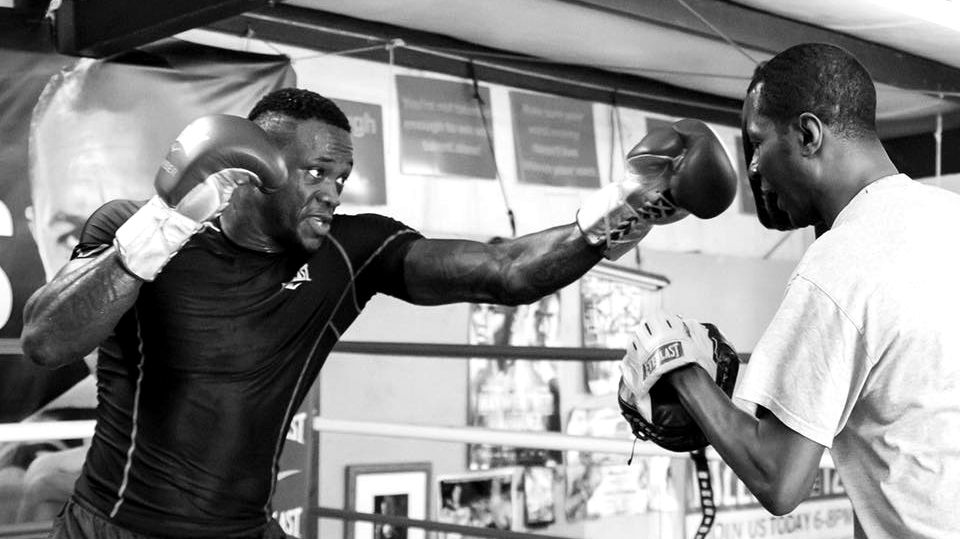
To prevent an opponent from reading the intention behind the strike, the elbow should follow closely behind the fist, avoiding the common mistake of telegraphing. If a fighter flips their wrist or hand too early in the trajectory, the elbow tends to flare outward, giving the opponent a clear visual indicator that an attack is imminent—though this mechanical tell can occasionally be repurposed as an intentional tactic when executing feints. Because a sharp, well-timed jab carries genuine sting, adhering strictly to proper biomechanics and form is paramount.
Variation
Relying exclusively on a standard, static jab makes a fighter predictable. A high-level opponent will quickly figure out a repetitive pattern and begin timing counters. To maximize the effectiveness of the punch, a boxer must incorporate variation, understanding not just how to throw different styles of jabs, but precisely when to deploy them round after round to keep the adversary guessing.
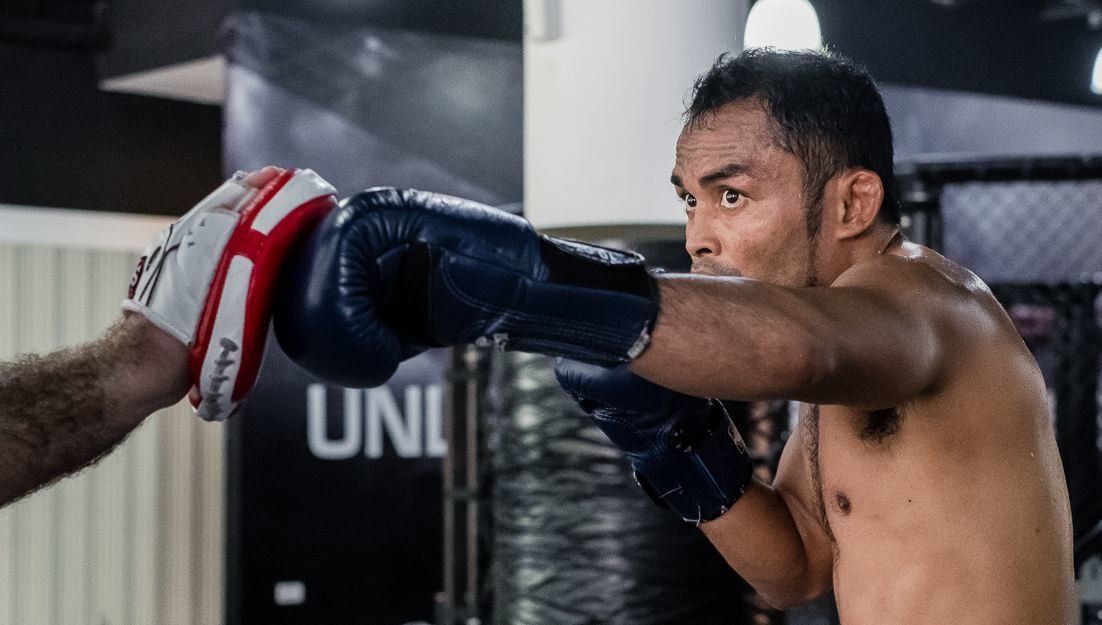
The basic jab, while simple, remains a fighter’s best friend for sneaking in and out of critical scoring ranges. Integrating lateral movement while throwing the basic jab allows a competitor to carve out new angles of attack while forcing the opponent to expend energy and mental focus. Stepping in and out as the punch travels keeps the aggressor safely out of the immediate danger zone while adding natural leverage and body weight behind the strike. However, fighters must remain mindful that aggressive lunging can widen their stance and compromise their fundamental balance.
Boxers must consciously avoid leaning forward excessively or dropping their rear hand as they step inward. For athletes blessed with an exceptional natural reach, utilizing a pawing jab can dictate the terms of engagement. Legendary figures such as Thomas Hearns famously employed the pawing jab to maintain an insurmountable distance. By leaving the lead hand extended momentarily after the punch lands or reaches its apex, a fighter can effectively obscure the opponent’s vision—though this leaves a momentary window that requires vigilance against sudden overhand counters.

Working the Body
Targeting the midsection with a jab serves multiple tactical objectives within a professional bout. Executing a body jab naturally requires a fighter to lower their level by dipping at the knees. Unless an opponent anticipates the move and matches the level change, they will likely punch straight over the top of the incoming attacker’s head.
The primary target for this strike is the solar plexus, located at the upper portion of the stomach. When timed correctly, a body jab landing as an opponent steps forward will catch them mid-inhalation, instantly taking the wind out of their lungs and disrupting their physical composure.
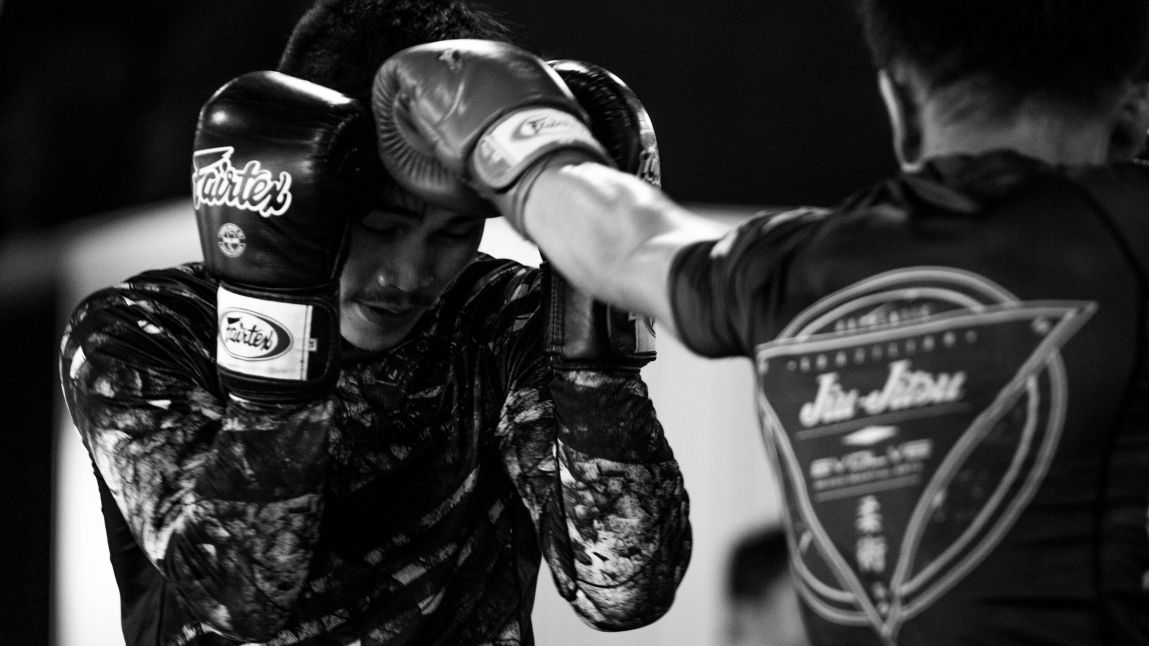
This approach offers an ideal strategy for opening a fresh round, forcing the opponent to swing at empty air while simultaneously draining their stamina. It introduces an immediate element of hesitation, instilling a lingering caution regarding the jab straight out of the opening bell. While a body jab is rarely a one-punch knockout weapon, its persistent application gradually wears down and demoralizes an adversary over the course of a fight.
Fighters who rely heavily on a high defensive guard often present ideal targets for this specific tactic. As the punch is initiated, the attacker steps forward with their lead foot, establishing distance, and subsequently steps back with their rear foot as the glove connects. Throughout this movement, the rear hand must remain rigidly in place, covering the side of the face to guard against sudden counterpunches.

Varying Speed and Power
A frequent pitfall for beginners in the sport is the tendency to put maximum power into every single punch thrown. Doing so is not only unnecessary but rapidly depletes an athlete’s energy reserves. In the course of a high-paced fight, a significant portion of punches will either miss their mark entirely or encounter a solid defensive block, making measured pacing a necessity.
Integrating occasional soft shots, often referred to as taps, keeps an opponent constantly occupied and disrupts their offensive rhythm. Tapping an opponent’s gloves from the outside perimeter exerts subtle psychological and physical pressure, frequently compelling them to retreat or causing them to overextend wildly on their own counter-attacks, thereby creating openings. Doubling or tripling up on the jab while advancing prevents the opponent from ever settling into a comfortable offensive groove.

The light jab also proves invaluable when a fighter finds themselves fatigued or temporarily hurt, moments when an opponent is actively hunting for a decisive finish. A low-energy tap creates vital breathing space and buys recovery time. Rotating toward the outside of the opponent—away from their dominant power hand—while flicking out varied jabs prevents them from walking forward unchecked.
Conversely, when an opening presents itself and an opponent is caught entirely undefended, stepping in to deliver a committed power jab brings full force to bear. When an aggressive fighter tries to crowd the space, an unending stream of crisp, disruptive jabs serves as an effective deterrent, preserving distance, provided the boxer continuously shifts angles during retreat to avoid getting trapped against the ropes.

Practice Makes Perfect
Consistent repetition of these fundamental and varied techniques transforms a standard boxer into a formidable presence inside the ring. For athletes looking to enhance their punching dynamics, supplemental conditioning routines incorporating explosive push-ups, medicine ball throws, and specialized resistance exercises can significantly boost overall speed, punching power, and muscular endurance.
Ultimately, the most common error associated with the jab is simply underutilizing it. Maintaining a relentless output, even when an opponent remains slightly out of range, ensures that the adversary remains acutely aware of the threat, constantly hesitant to step forward into the firing line.