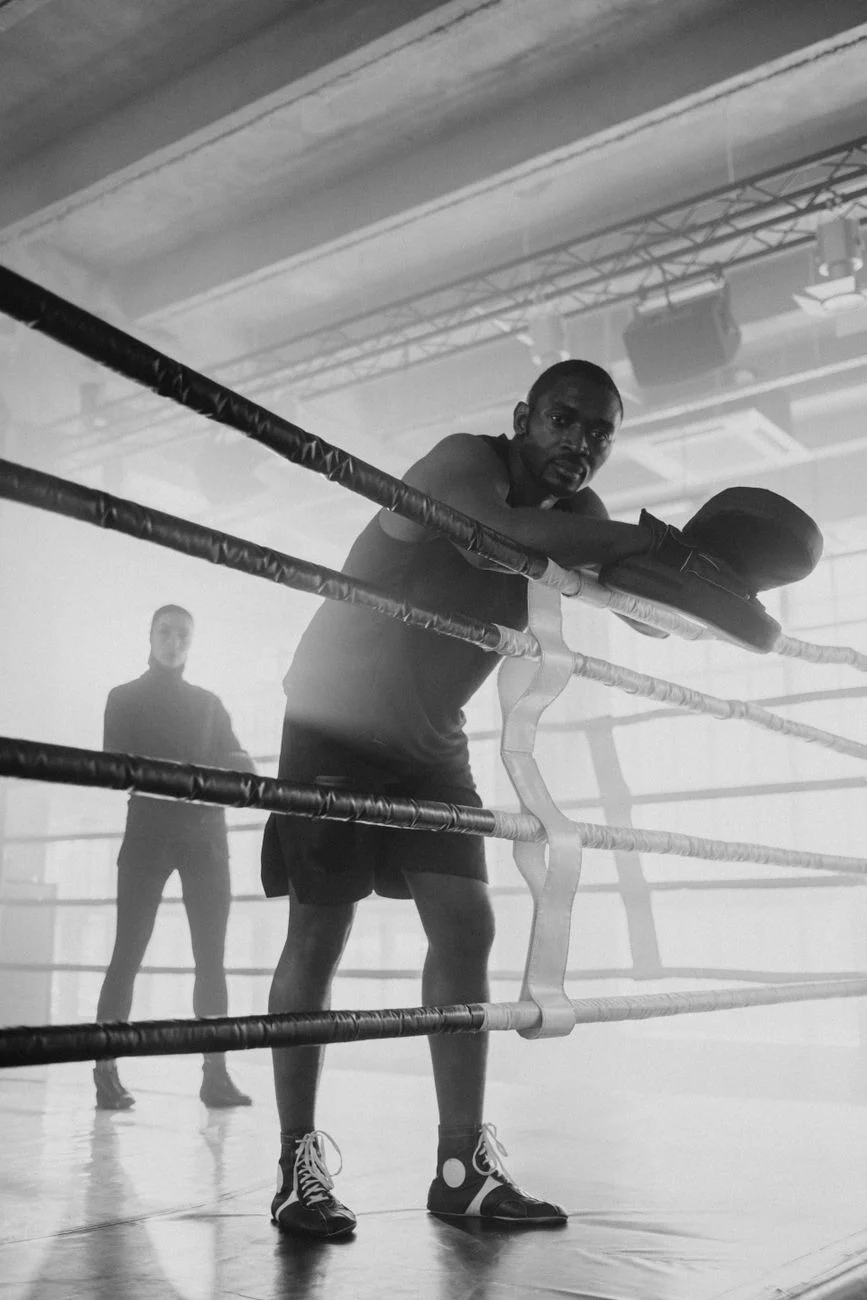
The final stretch of the 2026 boxing calendar is shaping up to be an extraordinary period for the sport, featuring a slate of blockbuster matchups that include high-profile championship defenses, major title unifications, and long-awaited British mega-fights. As the year draws to a close, five distinct bouts stand out not only for their significance in the current landscape of professional boxing but also for the fascinating tactical questions and betting markets they present.
From Dalton Smith’s grand homecoming in Sheffield to the monumental heavyweight collision between Tyson Fury and Anthony Joshua in Cardiff, the upcoming months offer a diverse array of stylistic clashes. Analysts, fans, and bettors alike are closely examining moneylines, round totals, and victory methods to gain deeper perspectives on these encounters. Each matchup brings a unique blend of strengths, weaknesses, and strategic imperatives into play, ensuring that fight nights will be dictated by how well competitors execute their respective game plans under intense pressure.
1. Smith Defends Home Turf Against Crafty Puello
The autumn schedule kicks into high gear on October 24 at the Sheffield Arena, where Dalton Smith returns to his home turf to face Alberto Puello. This bout marks Smith’s first defense of the WBC super lightweight championship, a title he captured earlier in the year following a career-defining victory over Subriel Matias in January. Now standing as an unbeaten world champion, Smith steps back into the ring to face a supremely experienced opponent renowned for his strong technical prowess and awkward southpaw style.
Puello has built a formidable reputation in the division by utilizing southpaw angles, controlled lateral movement, and carefully timed counters designed to frustrate and neutralize aggressive opponents. His lone career blemish came via a heavily disputed decision against Matias, and his inherently defensive approach makes him one of the most difficult fighters in the weight class to engage in straightforward, fan-friendly exchanges. For observers tracking the betting markets, the moneyline provides a fascinating initial comparison of their respective attributes. Smith’s youthful energy, natural punching power, and undeniable home advantage stand in stark opposition to Puello’s vast experience and tactical discipline. Any notable shifts in outright prices leading up to fight night will likely signal changing perceptions regarding how these contrasting attributes will neutralize one another.
The opening rounds of the bout should prove especially revealing. Smith will need to find creative ways to manufacture openings without becoming predictable against a master of distance, while Puello will look to establish his rhythm and dictate the tempo from the outset. The roaring atmosphere inside the Sheffield Arena will undoubtedly encourage the champion to push forward, but patience and tactical restraint may ultimately prove just as valuable as raw aggression. While the opening moneyline offers a pre-fight assessment of their relative chances, the ultimate outcome will hinge entirely on which fighter can more effectively implement and adapt his strategy over the scheduled distance.
2. Navarrete vs. Foster: A Battle of Precision and Pressure
While Smith’s championship defense emphasizes the virtues of tactical patience, the October 24 showdown between Emanuel Navarrete and O’Shaquie Foster in San Antonio promises a dramatically different rhythm and visual aesthetic. This high-stakes encounter successfully unites three super featherweight titles, bringing together two elite champions who operate with distinctly contrasting philosophies inside the squared circle.
Foster relies heavily on disciplined positioning, pinpoint accurate counters, and crisp, clean combinations that can accumulate points over the course of a twelve-round affair. However, a notable tendency to spend extended periods studying and observing opponents could spell trouble against a relentless offensive engine like Navarrete. The Mexican champion is famous for attacking from deeply unconventional angles and maintaining suffocating pressure, even when his initial barrage of punches misses the target.
This stylistic clash makes grouped-round betting and round-distribution markets particularly compelling for analysts. Foster possesses the technical tools to build an early lead through superior accuracy and smart defensive movement. Yet, Navarrete’s sustained output, high punch volume, and damaging body attacks traditionally begin to dominate the middle and later rounds, especially if an opponent begins to tire under the relentless workload.
The critical tactical question centers on how these contrasting styles evolve across the championship distance. Foster’s cleaner, eye-catching punches will certainly impress the ringside judges, but Navarrete’s overwhelming volume presents an entirely different scoring argument. The early exchanges will likely clarify whether defensive accuracy or relentless, high-octane aggression will seize control of the bout, setting the stage for a grueling test of endurance.
3. Mbilli vs. Canelo: Can Relentless Pressure Trouble the Favorite?
The championship action continues on October 31 in Riyadh, where Christian Mbilli puts his WBC super middleweight title on the line against the legendary Canelo Alvarez. This matchup introduces yet another classic pressure-versus-precision dynamic to the late-2026 schedule, pitting a hungry, undefeated champion against boxing’s defining veteran superstar. While Alvarez brings unmatched championship experience, elite defensive awareness, and exceptional counterpunching ability, Mbilli arrives with a reputation for relentless forward momentum.
Although oddsmakers have installed Alvarez as the clear favorite, former world champion Paulie Malignaggi has publicly predicted a major upset, basing his projection on the Frenchman’s phenomenal punching volume and unwavering willingness to march forward. Such unyielding aggression has the potential to disrupt Alvarez’s usual preference for dictating the pace and controlling the center of the ring.
The fight-distance market offers a compelling alternative perspective for those looking beyond outright predictions. Mbilli’s proven durability and high-octane work rate could easily push the contest deep into the championship rounds. Conversely, Alvarez’s legendary timing and sharp counters could abruptly halt that forward momentum, particularly if Mbilli grows careless and advances without sufficient defensive responsibility.
Ultimately, the fight will be decided by whether Mbilli can maintain his punishing output without exposing himself to devastating counters. Alvarez has made a career out of punishing opponents for the slightest tactical error, meaning that sheer pressure alone will not be enough to secure victory. Observers analyzing the matchup must weigh how these contrasting approaches will test each fighter’s physical conditioning and defensive discipline over twelve hard rounds.
4. Fury vs. Joshua: Method of Victory Reveals Split Views
Shifting the focus to the heavyweight division, the boxing world is bracing for the long-awaited collision between Tyson Fury and Anthony Joshua, scheduled for December 11 in Cardiff. With the vacant WBA super heavyweight title hanging in the balance, this monumental British rivalry brings together two fighters with entirely different physical dimensions, technical foundations, and career trajectories.
Fury utilizes his towering height, exceptional reach, lateral movement, and unconventional defensive angles to confound opponents, offering multiple tactical routes to victory. Despite having been knocked down eight times over the course of his professional career, the "Gypsy King" has famously never been stopped. On the other side, Joshua boasts terrifying punching power, particularly in his trademark right hand, which represents a clear and present danger to Fury’s durability.
These stark physical and stylistic differences make the method-of-victory market one of the most closely scrutinized aspects of the fight. A decision victory for Fury aligns with expectations of his superior movement, ring generalship, and tactical versatility over the distance. Meanwhile, a Joshua victory by knockout focuses squarely on his proven ability to land a concussive blow before Fury can establish full tactical control.
However, boxing history suggests that neither outcome is a foregone conclusion. Joshua has shown the capability to box effectively in longer, more measured exchanges, while Fury possesses enough offensive pop to force a stoppage if his opponent hesitates. The early positioning, effectiveness of the jab, and initial defensive reactions will immediately indicate which fighter’s game plan is gaining traction.
5. Cacace vs. Ball: Total Rounds Reflect Contrasting Styles
Closing out the notable championship fixtures of 2026, Anthony Cacace meets Nick Ball on December 19 at Belfast’s O2 Arena with the WBA super featherweight championship on the line. Their contrasting physical profiles create a fascinating tactical puzzle, particularly regarding distance management and close-range combat.
Cacace stands at five feet, ten inches and fights from a traditional southpaw stance, utilizing his reach and length. In contrast, Ball stands at five feet, one inch, but aggressively compensates for his height and reach disadvantage with explosive forward rushes and relentless inside fighting. Their respective knockout percentages—approximately 38% for Cacace and 57% for Ball—highlight the different ways they seek to finish opponents.
The total-rounds market accurately reflects this dramatic stylistic divide. Cacace will aim to extend exchanges on the outside, using movement, positioning, and his jab to keep the challenger at bay. Ball, conversely, will look to close the distance immediately, dragging the champion into sustained, phone-booth battles that drain both fighters’ energy reserves. The over/under line serves as a reliable barometer for expectations surrounding these conflicting methodologies.
Five Fights, Five Different Market Perspectives
These five major encounters demonstrate why assessing modern boxing requires a deep dive that goes well beyond surface-level records and reputations. Each matchup poses unique tactical questions, ranging from Alberto Puello’s elusive defensive craft to Anthony Joshua’s concussive heavyweight power.
While moneylines establish baseline expectations for outright winners, advanced markets—including grouped rounds, distance wagers, victory methods, and total rounds—provide a clearer picture of how these contests are likely to transpire. As the remaining weeks of 2026 unfold, finalized preparations and market shifts will offer even greater context for these pivotal championship battles before the opening bell finally sounds.