

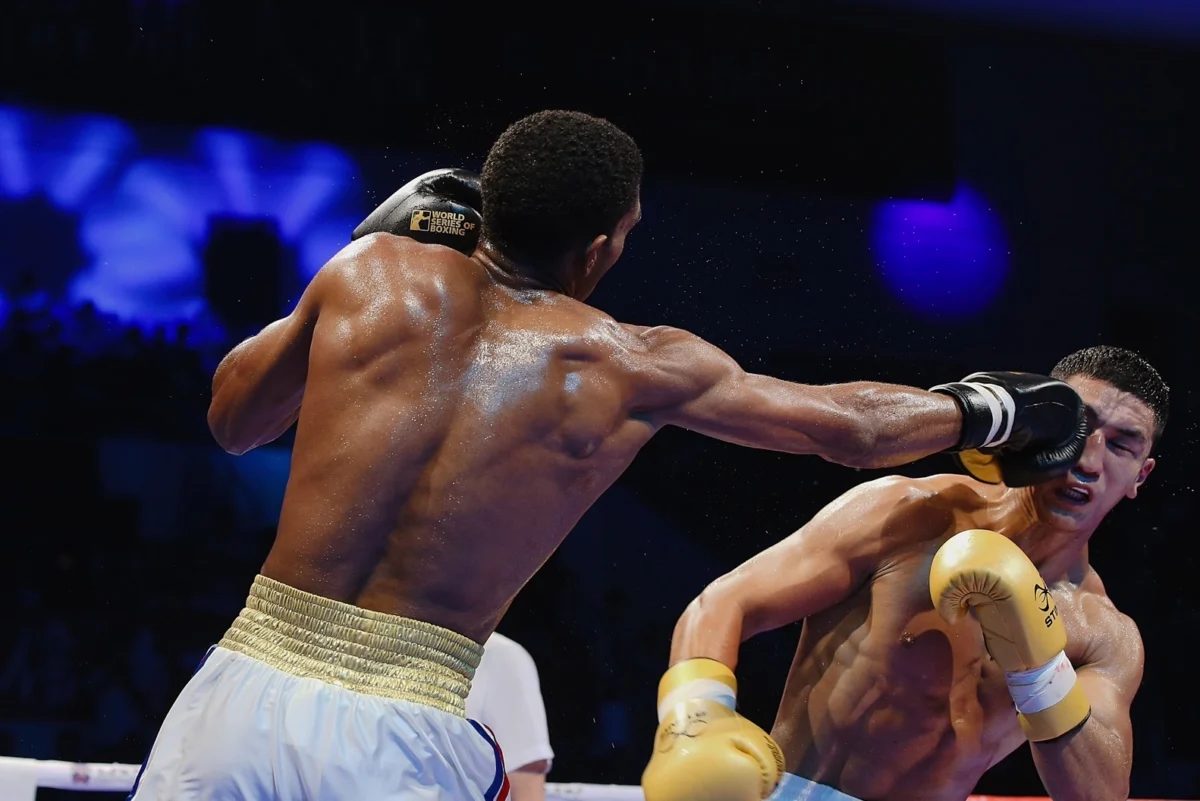
In the high-stakes theater of professional boxing, few topics generate as much fierce debate, visceral frustration, and enduring controversy as the official scorecards. From championship bouts headlining world-famous arenas to preliminary contests in local halls, a single contentious decision can alter the trajectory of an athlete’s career and leave fans and analysts questioning what they witnessed.
Yet, while high-profile scoring disputes regularly dominate headlines and fuel social media outrage, the vast majority of boxing matches around the globe conclude without incident. For spectators, commentators, and newcomers alike, the inner workings of ringside scoring can nevertheless appear opaque and bewildering. Deciphering how three individuals sitting on different sides of a canvas ring evaluate twelve rounds of combat requires a solid grasp of the rules, the governing criteria, and the mathematical framework that underpins the sweet science.

The Basics of the 10-Point Must System
Professional boxing operates almost universally under the 10-Point Must System. The fundamental concept is straightforward: at the conclusion of each completed round, the judge must award ten points to the boxer deemed to have won that three-minute session. The losing fighter is then assigned a lesser number of points—typically nine, but fewer depending on whether specific events, such as knockdowns or disciplinary penalties, occur.
The overwhelming majority of rounds in professional boxing end with a 10-9 scoreline. This indicates that one competitor clearly edged the action, commanded the exchanges, or landed the cleaner blows, while neither fighter suffered a knockdown or point deduction. Under the rules, a judge is technically permitted to score a round 10-10 if the action is deemed completely even with no discernible winner. However, boxing commissions and sanctioning bodies strongly discourage 10-10 rounds; judges are tasked with making a definitive choice and separating the fighters wherever possible, rendering true even rounds an extreme rarity on official cards.

Knockdowns introduce immediate mathematical shifts to the scorecard. Under standard conventions, when a fighter is knocked down, that boxer automatically forfeits a point. As a consequence, a round that would otherwise have been scored 10-9 becomes a 10-8 round in favor of the fighter who scored the knockdown. If a fighter manages to drop their opponent twice within the same round, an additional point is shaved off, resulting in a 10-7 round. A third knockdown in a single round—provided the bout is not halted under a regulatory three-knockdown rule or referee stoppage—can lead to a 10-6 score.
Complications arise when both combatants touch the canvas within the same three minutes. When reciprocal knockdowns occur, the automatic point deductions effectively cancel each other out. In such scenarios, the round typically returns to a 10-9 baseline, with the judge awarding ten points to whichever fighter overall dictated the pace and landed the superior offense throughout the remainder of the round.

While the mathematical structure of the 10-Point Must System is elementary, its execution relies entirely on human interpretation. Judges are seated at different vantage points along the apron of the ring, each subject to varying sightlines, lighting, and angles of view. Because the scoring system cannot govern its own application, public backlash and fierce scrutiny inevitably land on the arbiters when their personal tally fails to match the general consensus.
The Distinct Authority of the Referee
While three ringside judges are tasked exclusively with evaluating action and calculating points, they do not operate in a vacuum. A critical dividing line exists between the scoring domain of the judges and the regulatory domain of the third person inside the ring: the referee.

The referee acts as the sole enforcer of the unified rules of boxing. It is within the referee’s unique authority to penalize a competitor for both intentional and unintentional fouls. Common infractions include:
- Clinching excessively to stall the contest
- Landing low blows beneath the beltline
- Striking behind the head (commonly known as "rabbit punches")
- Hitting on the break or after the bell
- Deliberately using the head, elbows, or shoulders as weapons
When an infraction occurs, a referee may issue a verbal caution or an official warning. However, the referee is under no legal obligation to issue a prior warning before deducting a point. If an infraction is blatant, repetitive, or particularly damaging, the referee can immediately halt the contest, instruct the timekeeper to pause the clock, and clearly signal to all three ringside judges that a point must be subtracted from the offending fighter’s tally for that specific round.

These referee-mandated deductions are non-negotiable. If a boxer wins a round on clean punching and aggression, earning an initial 10 points, but has a point deducted by the referee for holding, that fighter’s score drops to 9. If the losing fighter in that round had scored 9 points, the round mathematically settles as a 9-9 draw on that judge’s card. Consequently, referee interventions can completely reshape the mathematical landscape of a fight.
The Scoring Criteria: How Judges Evaluate Action
In bouts that proceed without knockdowns or disciplinary penalties, the outcome rests entirely on the subjective appraisal of the judges. Across the boxing world, judges are guided by four universally recognized pillars of performance: clean punching, effective aggression, ring generalship, and defense.

       CORE BOXING SCORING CRITERIA
 ┌────────────────────────────────────────┐
 │ 1. Clean & Hard Punching               │
 │    - Impact, precision, punch volume   │
 ├────────────────────────────────────────┤
 │ 2. Effective Aggression                │
 │    - Pressuring while landing offense  │
 ├────────────────────────────────────────┤
 │ 3. Ring Generalship                    │
 │    - Controlling pace, space & range   │
 ├────────────────────────────────────────┤
 │ 4. Defense                             │
 │    - Slipping, blocking & countering   │
 └────────────────────────────────────────┘
Clean and Hard Punching
Clean punching is widely regarded as the most heavily weighted criterion in modern boxing. Judges look for legal strikes landed cleanly on the target area—the front and sides of the head and torso above the waistband—without being blocked, deflected, or muffled by the opponent’s gloves or arms. Power is an undeniable factor; heavy punches that visibly snap an opponent’s head back, buckle their legs, or halt their forward momentum carry significantly more weight than light, glancing blows. However, punch volume and crisp combinations also leave a strong impression, provided those flurries find their intended mark.
Effective Aggression
A common misconception among casual viewers is that simply moving forward guarantees scoring credit. Judges make an active distinction between "aggression" and effective aggression. A boxer who relentlessly marches toward their opponent while absorbing stiff counter-jabs and walking into heavy fire is merely displaying reckless pursuit. Effective aggression belongs to the fighter who comes forward with structured intent—cutting off the ring, pinning their opponent against the ropes, and initiating meaningful offensive exchanges while maintaining positional discipline.

Ring Generalship
Ring generalship represents a fighter’s strategic mastery over the environment and the tempo of the bout. The ring general dictates where the fight takes place, whether keeping the action centered in the middle of the canvas or forcing an infighting war on the inside. This fighter controls the pace, successfully imposing their game plan while completely disrupting the opponent’s rhythm. A master ring general can command the dynamic of a contest through subtle footwork, spatial control, and distance management, even when throwing fewer total punches.
Defense
Defensive excellence highlights the traditional definition of prizefighting as the art of hitting and not getting hit. Competitors who neutralize incoming offense through head movement, parrying, framing, footwork, and upper-body evasion earn respect on the scorecards. Modern elite practitioners such as Vasyl Lomachenko, renowned for his complex angles and side-stepping pivots, and Floyd Mayweather Jr., famed for his shoulder-roll technique and reflex-driven counters, epitomize the standard of defensive boxing. Crucially, however, defense is primarily evaluated in conjunction with offense; a fighter who slips punches all night but produces no offensive retaliation will rarely be awarded rounds based on defense alone.

Breaking Down Decisions
Once the final bell rings and the twelve rounds have concluded, each judge totals their individual scorecard. Three independent scores are submitted to the ringside boxing commission, which tallies the marks to determine the official verdict. Through the majority-rule principle, a variety of outcomes can emerge.
+──────────────────────────+───────────────────────────────────────────────+
| Verdict Type             | Scorecard Distribution                        |
+──────────────────────────+───────────────────────────────────────────────+
| Unanimous Decision (UD)  | Judge 1: Fighter A                            |
|                          | Judge 2: Fighter A                            |
|                          | Judge 3: Fighter A                            |
+──────────────────────────+───────────────────────────────────────────────+
| Majority Decision (MD)   | Judge 1: Fighter A                            |
|                          | Judge 2: Fighter A                            |
|                          | Judge 3: Draw (Tie)                           |
+──────────────────────────+───────────────────────────────────────────────+
| Split Decision (SD)      | Judge 1: Fighter A                            |
|                          | Judge 2: Fighter A                            |
|                          | Judge 3: Fighter B                            |
+──────────────────────────+───────────────────────────────────────────────+
| Majority Draw            | Judge 1: Draw (Tie)                           |
|                          | Judge 2: Draw (Tie)                           |
|                          | Judge 3: Fighter A (or B)                     |
+──────────────────────────+───────────────────────────────────────────────+
| Split Draw               | Judge 1: Fighter A                            |
|                          | Judge 2: Fighter B                            |
|                          | Judge 3: Draw (Tie)                           |
+──────────────────────────+───────────────────────────────────────────────+- Unanimous Decision (UD): Occurs when all three judges independently agree on the same winner, awarding Fighter A more cumulative points than Fighter B.
- Majority Decision (MD): Occurs when two judges rule that Fighter A won the fight, while the third judge tallies identical points for both combatants, ruling the contest a draw on their personal card.
- Split Decision (SD): Occurs when two judges score the contest in favor of Fighter A, while the third judge awards the victory to Fighter B. This is frequently the most polarizing verdict, indicating that the judges observed sharply contrasting narratives in the ring.
- Majority Draw: Declared when two of the three judges score the bout as an even tie, while the third judge awards a victory to one of the fighters.
- Split Draw: A rare mathematical split where one judge scores the bout for Fighter A, the second judge scores the contest for Fighter B, and the third judge rules it dead even as a draw.
Ringcraft and Influencing the Scorecards
Because rounds are scored individually as self-contained micro-contests, experienced professionals employ specific strategies to win the judges’ favor. Boxing operates on human perception, and fighters who understand psychological momentum often optimize their tactical output accordingly.

A fighter’s economy of shots plays a significant role. Prizefighters who manage their stamina, throw with explosive conviction, and demonstrate ring composure naturally project an image of authority. Conversely, fighters who look fatigued, backpedal without throwing, or show frustration when being held can inadvertently signal distress to the judges.
Another prevalent tactic is the practice of "stealing rounds." When a round has been closely contested over its initial two minutes, savvy fighters will dramatically increase their punch volume and initiate flashy, eye-catching combinations during the final thirty seconds. Because human memory exhibits a natural recency bias, judges are often swayed by who closed the round strongest, particularly when the opening exchanges offered little separation.

Despite its vulnerability to human error, controversial verdicts, and inconsistent judging criteria across jurisdictions, the 10-Point Must System remains the international benchmark for the sport. It establishes a repeatable mathematical framework that holds fighters accountable for every three minutes they spend between the ropes, maintaining its position as the enduring mechanism by which professional boxing separates victory from defeat.