In the world of mixed martial arts, a winning streak is supposed to mean something. Securing victories against ranked opponents, accepting difficult matchups on short notice, and delivering standout performances when the pressure is highest form the foundational resume of any fighter chasing greatness. Yet, in the Ultimate Fighting Championship, a contender can check every single one of those boxes and still find someone else standing across the canvas from the champion. There is no automatic promotion from climbing the rankings to securing a coveted title fight.
This inherent tension is a major part of what makes MMA both intensely compelling and deeply frustrating for the fanbase. Pure sporting achievement matters immensely, but championship opportunities are also heavily dictated by timing, injuries, available opponents, and the commercial appeal of a matchup. The result is a division full of talented fighters who possess strong, legitimate cases to compete for gold, even when the promotion decides to direct the next championship booking down an entirely different path.
Three Contenders Who Show How Complicated The Path Can Be
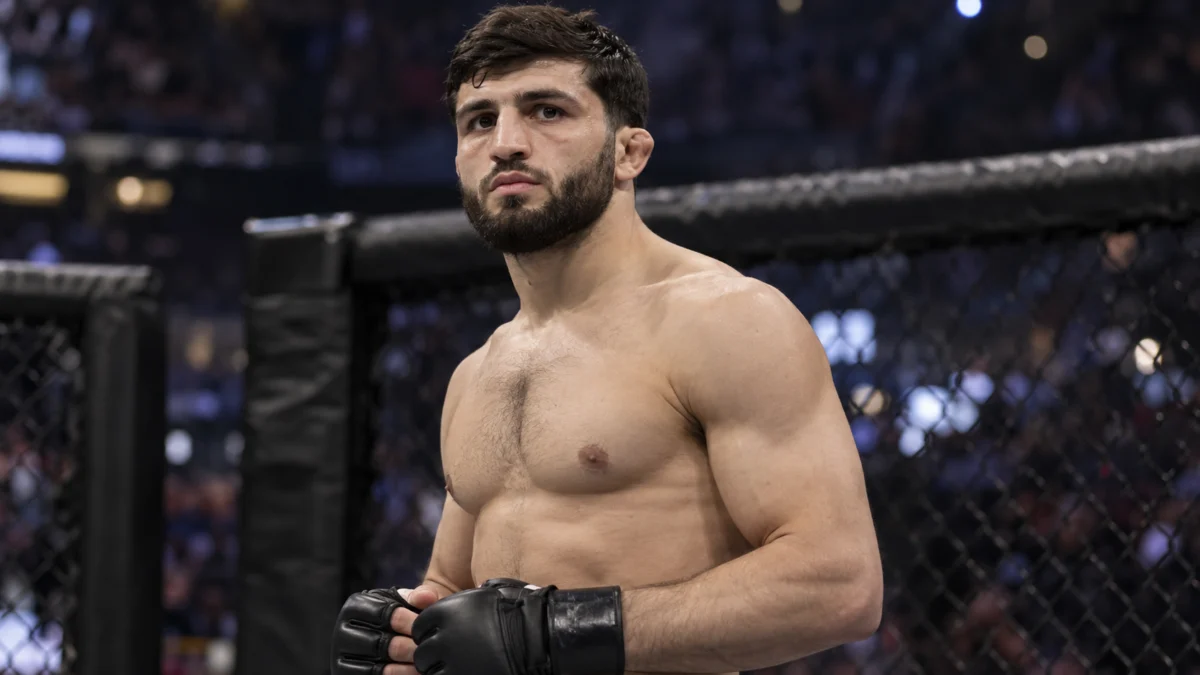
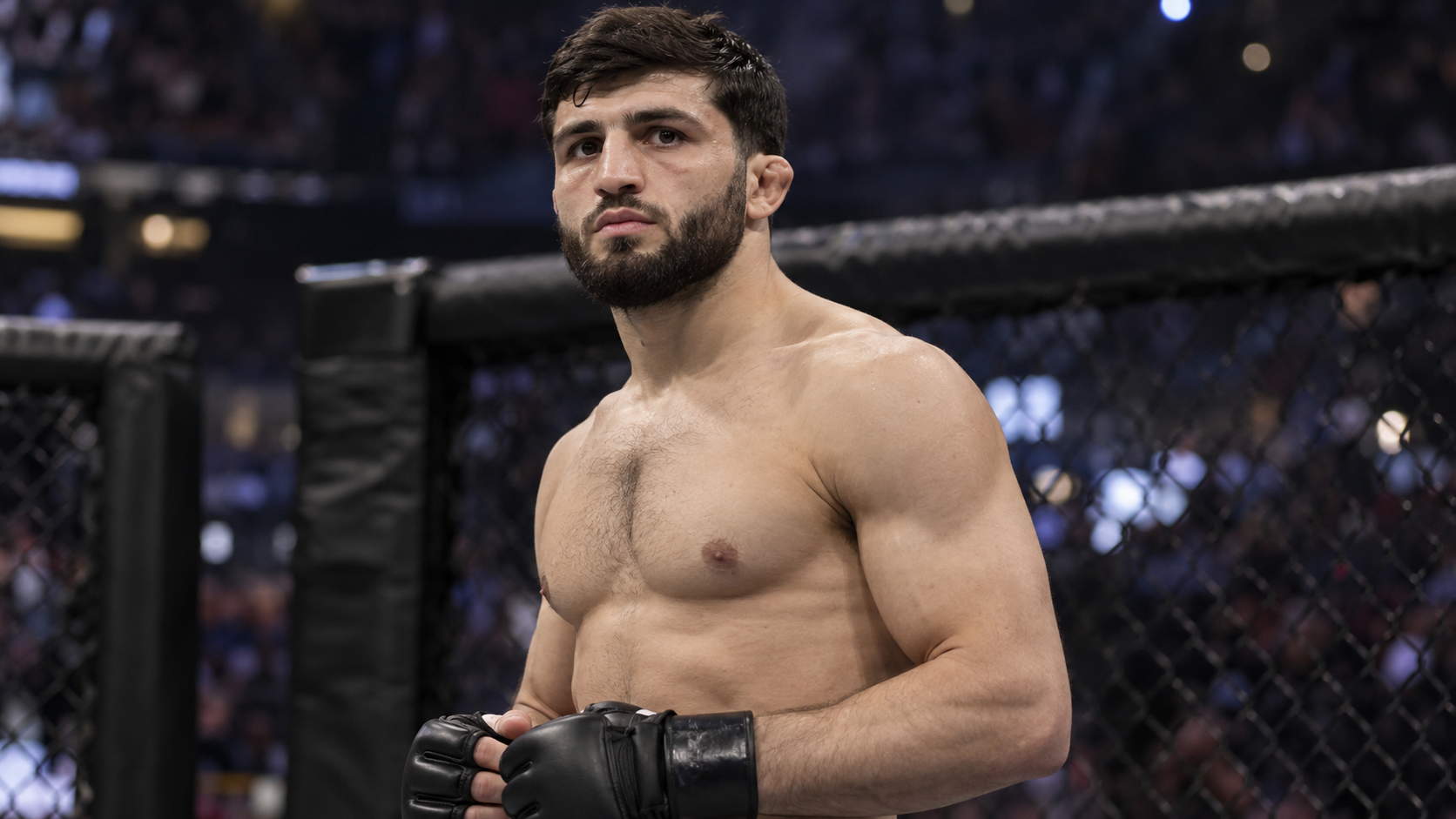
Arman Tsarukyan: Winning Isn’t Always Enough
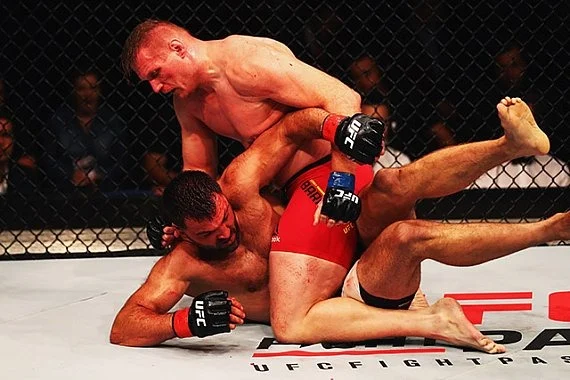
Arman Tsarukyan’s case in the lightweight division is remarkably difficult to dismiss. His submission victory over veteran Dan Hooker in November 2025 further strengthened his formidable position near the absolute top of the weight class. Yet, his route to a championship opportunity has been anything but straightforward. His withdrawal ahead of a planned title opportunity in January 2025 remains an important chapter of his career trajectory, vividly illustrating why matchmaking decisions can never be judged purely on the numbers printed in the weekly rankings.
Tsarukyan’s current situation highlights the persistent gap between being a leading contender and receiving a guaranteed date with the titleholder. Even the most impressive, high-profile performances can leave a fighter waiting on the sidelines while other championship commitments, mandatory defenses, or promotional priorities are fully resolved.
Michael Morales: A Rising Threat At Welterweight
Michael Morales made a massive statement inside the Octagon when he stopped veteran Sean Brady in the opening round at UFC 322 in November 2025. That devastating performance added immense momentum to his growing reputation as one of the most dangerous welterweights on the roster, immediately giving fans and analysts another reason to aggressively discuss his place in the title conversation.
However, a strong finishing record does not automatically settle every complex matchmaking question the promotion faces. Other established contenders in the division possess their own compelling claims to a title shot, and the ultimate order of championship challenges depends heavily on athlete availability and the specific fights the UFC chooses to arrange next. Morales serves as a clear reminder that momentum can create a powerful competitive argument without ever guaranteeing an immediate championship opportunity.
Lerone Murphy: The Opportunity That Passed Him By
Lerone Murphy’s spinning-elbow knockout of Aaron Pico in August 2025 looked precisely like the kind of career-defining moment that would instantly launch him into a featherweight title fight. Instead, the promotion opted to book former champion Alexander Volkanovski against Diego Lopes in a high-profile rematch. Murphy’s subsequent disappointment became a textbook example of how even a spectacular, highlight-reel victory may ultimately not be enough to secure the very next shot at the belt.
The narrative surrounding Murphy also encompasses a later chapter in his career. He subsequently lost a hard-fought majority decision to Movsar Evloev in March 2026, which ultimately brought an end to his unblemished professional mixed martial arts run. While he can no longer be described as an undefeated contender today, his overall experience remains deeply relevant to the broader discussion of divisional politics. It demonstrates just how narrow the window can be between a career-best performance and a rapidly changing title picture.
Why Rankings Don’t Decide Everything
UFC rankings provide a useful, real-time snapshot of the talent within each division, but they are fundamentally not a binding tournament bracket. A higher-ranked fighter is not automatically entitled by contract to face the champion next in line. Several complex business and logistical considerations heavily influence the final matchmaking decision.
Athletic performance operates within a much broader, multifaceted matchmaking ecosystem. The difficult question that perpetually lingers over the sport is how much weight each individual factor should receive, and whether the promotion could explain those administrative decisions more transparently to the public.
Why Popularity Doesn’t Always Reflect Performance
The persistent gap between visibility and raw performance extends far beyond the realm of combat sports. Across various entertainment industries, familiar names frequently attract the lion’s share of attention while equally deserving, lesser-known alternatives struggle simply to be noticed. In online gaming environments, for instance, heavily marketed software titles often completely dominate public discussion, even though a game’s sheer popularity says very little about its published return-to-player percentage or its underlying mechanical fairness.
Similarly, everyday consumers researching specialized promotional offers online may encounter varying degrees of visibility between familiar and lesser-known platforms. Such promotions frequently carry strict eligibility rules, specific wagering requirements, and withdrawal restrictions that have no bearing on the underlying quality of the product. The comparison is strictly centered around visibility and market attention, rather than any claim that digital entertainment platforms and professional fighters operate under the exact same regulatory framework.
For a professional UFC contender, the real-world stakes are vastly different. A missed promotional opportunity is not merely a matter of attracting less media attention; it can mean losing hard-earned momentum, significantly delaying a major payday, or watching the entire division move forward while the athlete is forced to wait indefinitely.
The Heavyweight Division Shows How Quickly Fortunes Change
Heavyweight matchmaking has historically been capable of shifting dramatically in a single night of competition. At UFC 327 in April 2026, Josh Hokit secured a notable victory by defeating experienced contender Curtis Blaydes via a unanimous decision. The definitive result instantly pushed Hokit into a much more prominent position within the division and firmly integrated him into the broader conversation surrounding the weight class’s next generation of elite talent.
Yet, defeating a recognized, high-level opponent is entirely different from proving beyond a doubt that a fighter should immediately challenge for the heavyweight championship. Heavyweight contenders must still be carefully evaluated against the totality of their broader professional records, the status of prospective future opponents, and the fluid state of the championship picture. Hokit serves as a prime example of how quickly a major breakthrough can happen, rather than empirical evidence that every surprise winner has been unfairly denied an immediate title shot.
Prospects Worth Watching Beyond The Main Event
The most exciting and dangerous future contenders do not always appear at the very top of a pay-per-view poster. Developing fighters frequently build their reputations away from the spotlight on preliminary cards and Fight Night events, where raw performances often matter significantly more to talent scouts than established name recognition.
Emerging prospects such as Ateba Gautier, Jacobe Smith, and Quillan Salkilld have increasingly attracted the attention of hardcore fans and analysts alike for their finishing instincts and undeniable raw potential. That makes them fascinating names to closely follow as they develop, though potential should never be confused with a proven, undeniable claim to a championship fight. Their upcoming matchups, overall consistency, and demonstrated ability to successfully adjust against significantly stronger competition will ultimately provide a much clearer measure of their true championship prospects.
What Could Make UFC Title Opportunities More Transparent?
Designing a perfectly predictable, mathematically sound matchmaking system would be an exceptionally difficult task in professional mixed martial arts. Champions frequently sustain injuries, top contenders unexpectedly withdraw from bouts, and entire weight classes can shift direction radically after a single upset knockout. Still, a few practical improvements could potentially help fans better understand why one specific fighter is selected over another for a title opportunity.
Implementing clearer criteria regarding mandatory defenses, more consistent communication on promotional timelines, and transparent guidelines on how rankings factor into championship bouts would go a long way. These proposed adjustments would certainly not eliminate all controversy surrounding matchmaking. However, they could make promotional arguments significantly easier to evaluate strictly on sporting grounds, rather than leaving fans and media members to endlessly guess at the internal reasoning behind each booking decision.
The UFC’s overlooked contenders do not all find themselves in the exact same professional position. Arman Tsarukyan maintains an established lightweight case shaped heavily by previous setbacks and missed opportunities. Michael Morales is methodically building undeniable momentum at welterweight. Lerone Murphy’s recent experiences vividly demonstrate how a seemingly ideal career moment can pass before a title fight ever materializes. Together, their collective stories reveal a simple, undeniable reality of the sport: winning is essential, but it is rarely the only factor that determines who ultimately gets the next opportunity.
The next time an unfamiliar or rising fighter steps into the Octagon on the preliminary card, paying close attention is worthwhile. Today’s undercard standout performance may very well become tomorrow’s strongest argument for a championship fight, even if the winding road to the belt is rarely straightforward.