

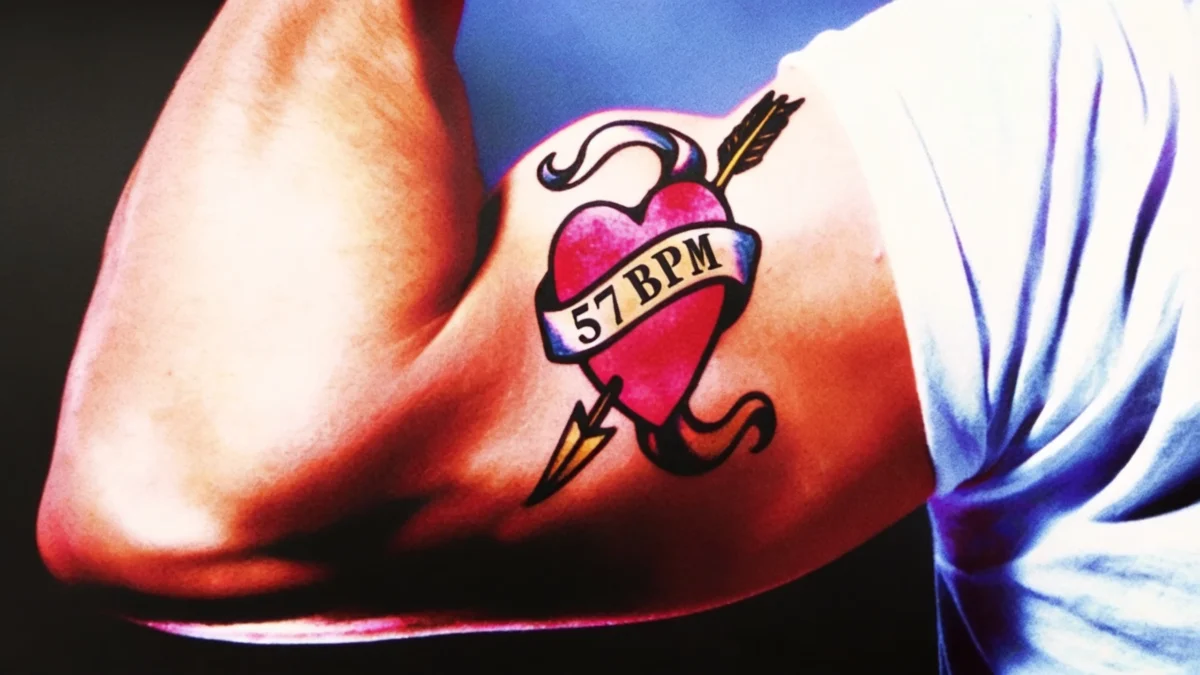
Forget muscle selfies, gym check-ins, and marathon finisher medals. The newest way to flex your physical superiority has arrived, and it is far more subtle—though just as competitive. Across digital platforms, individuals are increasingly broadcasting their resting heart rates on Instagram Stories and even embedding the metric directly into their dating app profiles, treating a once-obscure clinical cardiac measurement as the ultimate proof of health, vitality, and discipline.
In an article exploring modern wellness culture, writer Hannah Singleton examines how sharing low resting heart rates has rapidly evolved into the latest status symbol within the burgeoning "longevity-maxxing" movement. Yet, as this biometric bragging becomes mainstream, medical professionals are questioning whether an impressively low number is actually the definitive health flex people believe it to be.
Henry Lau, a strength coach based in Providence, Rhode Island, did not mince words when describing the phenomenon. Comparing the trend to displays of luxury assets, he noted that it resembles affluent individuals showing off high-end sports cars. Except, rather than luxury vehicles, people are proudly displaying the number of times their heart beats per minute while completely at rest.
The rise of this trend is largely driven by consumer wearable technology. Devices manufactured by Apple, Whoop, Oura, and Garmin have successfully transformed resting heart rate from a clinical metric evaluated during a doctor’s office visit into a continuously tracked, easily shareable data point. What was once measured primarily during physical examinations or inside elite athletic training facilities is now displayed on smartphone screens twenty-four hours a day, seven days a week. This widespread democratization of biometric data has effectively created an entirely new tier of health performance measurement—one where lower numbers translate directly into higher social capital among peers.
The New Currency of Health Bragging
The cultural obsession surrounding elite cardiovascular metrics reached unprecedented heights during a recent Tour de France competition. During the event, wearable technology brand Whoop publicly broadcast the resting heart rates of professional cyclists such as Mathieu van der Poel and Tadej Pogačar on live television. The figures displayed on screen hovered in the high 30s beats per minute.
To put those numbers into proper perspective, the American Heart Association defines a normal adult resting heart rate as falling between 60 and 100 beats per minute. These elite endurance athletes were operating at nearly half that rate, a clear physiological testament to years of intense cardiovascular conditioning that results in structurally larger, significantly more efficient hearts.
For amateur fitness enthusiasts and everyday gym-goers, those televised broadcasts provided a glamorous new benchmark to chase. Roberto Clemente, a runner based in New York who was featured in Singleton’s reporting, exemplifies this broader cultural shift. He takes genuine pride in his low resting heart rate and occasionally shares the data on his private Instagram Stories. He maintains that the posts are not necessarily intended as overt brags, but rather as quiet signals of his ongoing dedication to physical fitness and longevity optimization.
The Science Behind the Status Symbol
From a physiological standpoint, lower resting heart rates generally indicate more efficient cardiovascular function. Elite endurance athletes commonly maintain resting heart rates in the range of 40 to 60 beats per minute due to a medical process known as cardiac hypertrophy. Through sustained aerobic training, their hearts physically enlarge and strengthen, allowing the organ to pump a greater volume of blood with each individual contraction and thereby requiring fewer total beats per minute to sustain the body.
For regular, non-elite exercisers, systematically improving cardiovascular fitness through consistent training can gradually lower resting heart rate by anywhere from 5 to 25 beats per minute over an extended period. However, this is precisely where the modern social media flex becomes significantly more complicated.
Cardiologists emphasize that a very low resting heart rate is not universally a sign of superior health. In individuals who are not conditioned endurance athletes, readings that fall consistently below 60 beats per minute can be indicative of bradycardia, a medical condition defined by a heart rate that is too slow to adequately pump sufficient blood throughout the body. This condition can lead to noticeable symptoms such as dizziness, chronic fatigue, shortness of breath, and, in severe clinical cases, fainting.
Furthermore, medical experts point out that resting heart rate is merely one data point among many. Examining resting heart rate entirely in isolation—without simultaneously considering blood pressure, overall cholesterol levels, aerobic capacity, recovery metrics, and general lifestyle habits—provides an incomplete and potentially misleading picture of an individual’s true cardiovascular health.
The Longevity-Maxxing Movement
This widespread obsession with resting heart rate does not exist in a vacuum. It represents a visible component of a broader cultural moment that Singleton’s reporting labels "longevity-maxxing." Within this movement, individuals actively optimize their physical bodies for extended lifespans, treating longevity both as a genuine wellness goal and as a performed social identity.
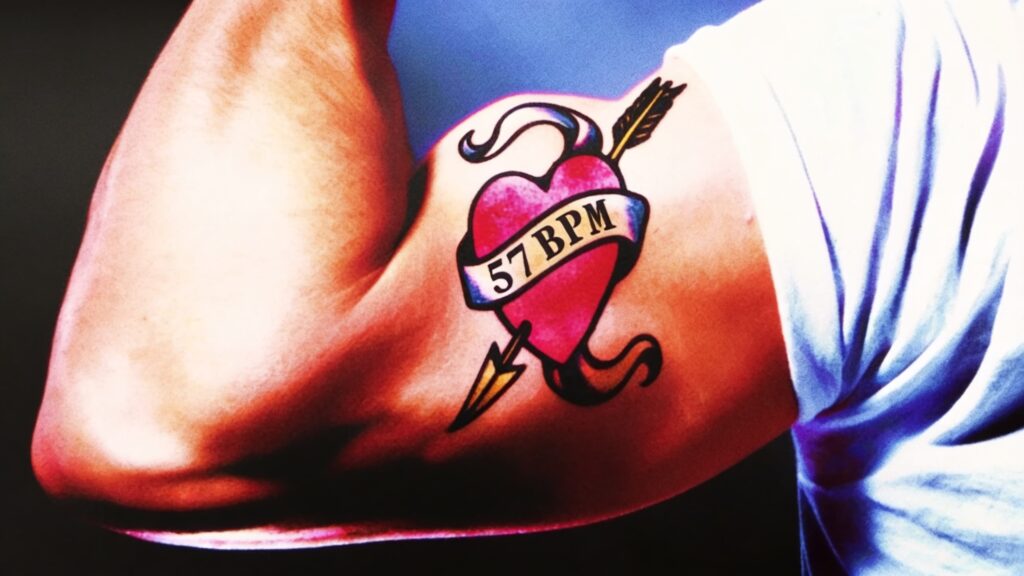
High-profile figures, including entrepreneurs who publicly track dozens of distinct biomarkers and invest heavily in anti-aging protocols, have popularized the core concept that modern health optimization should be thoroughly measured, quantified, and shared with the public. Online communities dedicated to longevity and biohacking routinely dissect every imaginable health metric, ranging from VO2 max and telomere length to complex inflammatory markers.
What was once confined strictly to niche fitness forums has steadily migrated to mainstream social media platforms and the digital architecture of dating apps. In these spaces, displaying an impressively low resting heart rate has apparently transformed into a signal of modern desirability and biological vitality—serving as tangible proof that an individual takes their personal health seriously in an era where wellness functions as a form of moral currency.
Wearable technology companies have masterfully tapped into this innate status-seeking behavior through the deliberate implementation of gamification. Modern fitness trackers do not simply record raw metrics; they actively manufacture competitions, continuous streaks, performance badges, and social sharing capabilities that effectively turn personal health into a competitive sport. Apple Watch users focus on closing their daily activity rings, Whoop members regularly compare recovery scores, and Oura Ring wearers obsess over daily readiness metrics.
Resting heart rate has naturally slotted into this ecosystem as yet another numerical value to optimize, providing users with another method to prove their success in the ongoing game of personal health. Nevertheless, behavioral scientists and psychologists warn that this relentless focus can easily foster an unhealthy fixation on arbitrary numbers rather than encouraging genuine, holistic well-being. Individuals may find themselves chasing artificially lower resting heart rates through excessive, unmonitored training or inducing unnecessary psychological stress simply trying to hit targets set by automated algorithms.
Dating Apps and Biological Signaling
Perhaps the most unexpected development in this cultural trend is the integration of resting heart rate metrics into the modern dating market. A growing number of dating app users now routinely include their resting heart rate statistics directly in their personal profiles, placing the cardiac data alongside traditional biographical details such as height, occupation, and personal interests.
Viewed through the lens of evolutionary psychology, this behavior aligns with historical patterns of mate selection. Physical fitness has long served as a primary signal of genetic quality, disease resistance, and potential reproductive longevity. In previous eras, prospective partners evaluated physical fitness primarily through visible cues, such as muscle tone, athletic performance, or general physical stamina.
Wearable technology now offers a seemingly objective, quantified alternative—a specific number that claims to peer directly inside the human body and measure underlying cardiovascular efficiency with scientific precision. Yet, as medical professionals repeatedly stress, that single number tells only a fraction of the overall story.
Cultural critics view the widespread sharing of resting heart rates as a direct extension of "healthism," a philosophical framework that moralizes health and fitness, framing personal wellness as both a strict individual responsibility and a definitive measure of human character. Within this worldview, appearing healthy through optimized biometric metrics functions as a sophisticated form of virtue signaling.
Social media platforms amplify this dynamic by transforming virtually every aspect of daily life, including autonomic bodily functions like heart rate, into content, performance, and currency within the attention economy. A low resting heart rate shared publicly on an Instagram Story is rarely viewed as mere health information. Instead, it operates as a carefully curated statement regarding personal discipline, unwavering dedication, and membership within an exclusive demographic of individuals who care deeply about optimization.
What Matters for Heart Health
For individuals genuinely interested in long-term cardiovascular health rather than accumulating social media status, medical professionals consistently recommend focusing on a broader constellation of health factors. Cardiologists emphasize that monitoring changes in an individual’s personal baseline resting heart rate is far more informative than comparing numbers against strangers online or among peers.
If a person’s typical resting heart rate hovers around 65 beats per minute and suddenly spikes to 80 beats per minute over the course of several consecutive days, that notable shift signals an underlying issue worth investigating, such as impending illness, overtraining, elevated stress, or inadequate physical recovery. Ultimately, whether an individual’s baseline resting heart rate rests at 50 or 70 beats per minute matters significantly less than whether that specific number remains stable over time and whether the person genuinely feels healthy.
The cultural phenomenon documented in recent wellness reporting reveals considerably more about contemporary social habits than it does about advanced cardiovascular science. Society currently occupies an intersection where consumer wearable technology, social media performance culture, and an intense cultural obsession with longevity converge to create ideal conditions for biometric bragging. Whether these shared metrics reflect true physical health or merely serve as a modern status symbol remains the defining question of the longevity-maxxing era.