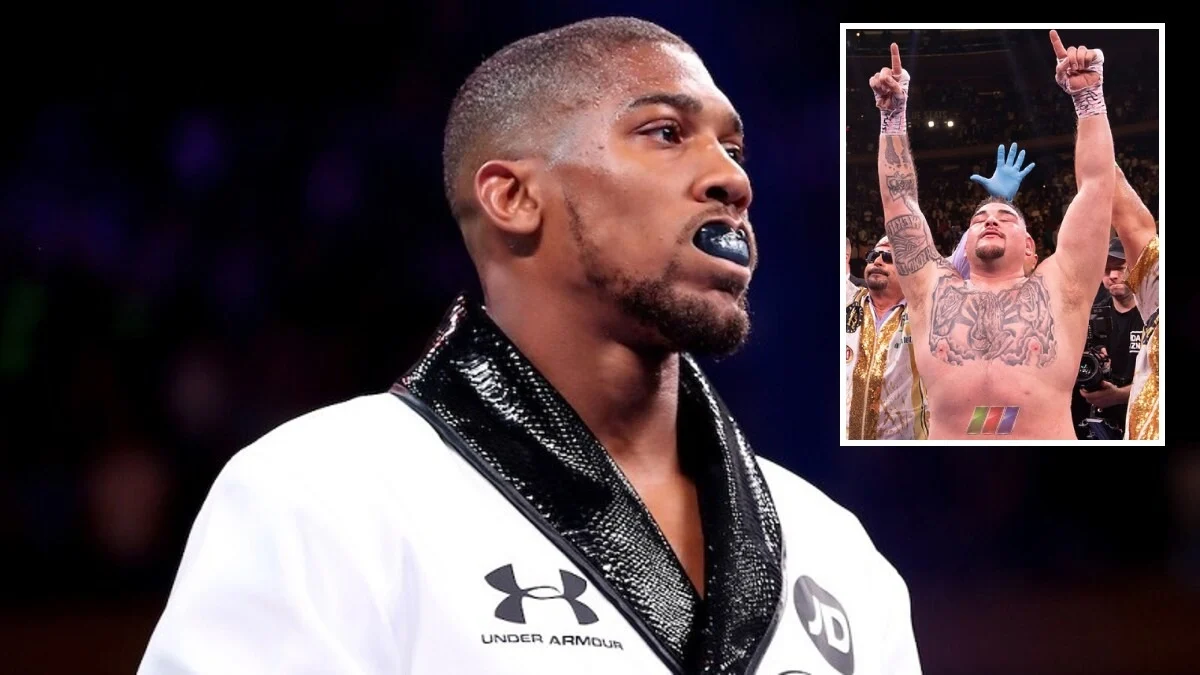
Anthony Joshua is reportedly preparing to revisit the most damaging night of his professional career for a major global streaming platform, seven years after Andy Ruiz Jr. delivered one of the most astonishing upsets in modern boxing history by stripping the British superstar of his unified heavyweight titles.
A new four-part documentary series, described by producers as "brutally raw and honest," is slated for release next spring on Netflix. The project promises to provide an unprecedented look behind the scenes of Joshua’s disastrous North American debut at New York’s iconic Madison Square Garden on June 1, 2019. Central to the upcoming docuseries is intense, previously unseen dressing-room footage recorded before and after the fateful contest, offering viewers a fly-on-the-wall perspective of the chaos, confusion, and raw emotion that enveloped Joshua’s team on that historic evening.
If released as anticipated, the footage will inevitably reignite one of the most persistent mysteries in contemporary sports history. On that warm June night in Manhattan, Joshua—then an undefeated global icon holding the WBA, IBF, and WBO heavyweight crowns—appeared completely detached from the moment. From his unusual, lingering entrance to his hesitant performance inside the ring, Joshua looked like a mere shadow of the dominant champion who had previously stormed through the heavyweight division.
While the documentary threatens to unearth new details about what transpired behind closed doors before Joshua walked out to the ring, the fundamental truth of what unfolded once the first bell rang remains immovable. Regardless of what light Netflix’s cameras may shed on the backstage atmosphere, the central reality of that night cannot be rewritten: Andy Ruiz Jr. stepped into the ring as a massive underdog, withstood Joshua’s best punch, fought with unwavering resolve, and earned every fraction of his historic victory.
Netflix Reopens Ruiz Upset
Speculation surrounding Anthony Joshua’s physical and mental state began almost immediately after the referee called a halt to the contest in the seventh round, sealing Ruiz’s miraculous victory. Ringside observers, commentators, and boxing fans worldwide were left bewildered by what they had just witnessed. Joshua’s demeanor throughout the event was undeniably strange; he appeared unusually passive in the buildup, lingered on the ropes before the opening bell, and lacked his characteristic explosive fire once the action commenced.
In the hours and days that followed the fight, the boxing world was flooded with intense rumors concerning Joshua’s pre-fight preparation. Whispers circulated about potential panic attacks backstage, concussions suffered during heavy sparring sessions in camp, illness, and undisclosed personal problems. These theories, fed by the jarring nature of Joshua’s collapse on such a grand stage, have stubbornly survived for seven years, remaining a perpetual topic of debate among fight analysts and fans alike.
Now, seven years after the night that completely altered the trajectory of the heavyweight division, Netflix is preparing to take audiences back inside that tense New York locker room. The docuseries promises to bring long-awaited clarity to the chaotic environment surrounding the British heavyweight on the night his flawless record was shattered.
There may well be legitimate context regarding Joshua’s condition that night. If severe health issues, extreme anxiety, or unforeseen backstage complications compromised the champion before he walked down the tunnel, Joshua certainly retains every right to finally share his side of the story with the world. Athletes of his caliber rarely operate in a vacuum, and understanding the physical and psychological burdens carried by high-profile fighters is a compelling narrative for any sports documentary.
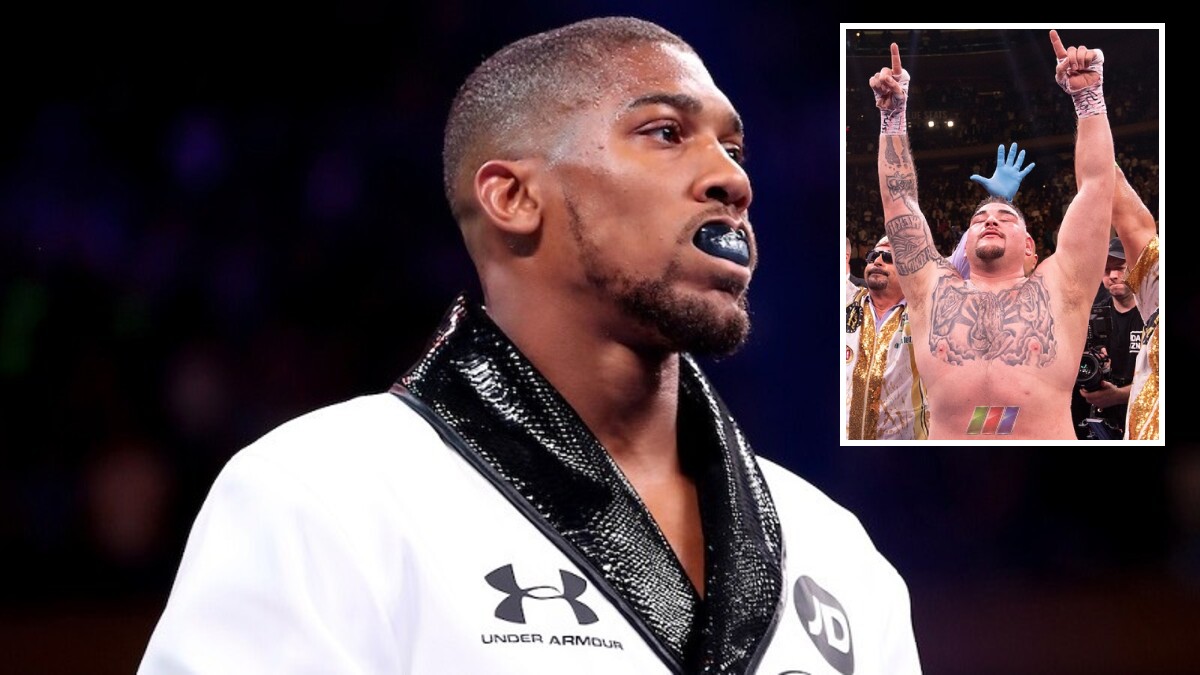
However, there is a delicate line between providing context and offering excuses. Anything short of a truly monumental disclosure risks perpetuating an injustice that Ruiz has endured ever since his hand was raised in New York: reducing one of the greatest individual triumphs in boxing history to a simple discussion about what was wrong with Anthony Joshua. To view the fight solely through the lens of Joshua’s shortcomings completely disregards the skill, courage, and tactical brilliance displayed by his opponent inside the squared circle.
Ruiz Dismantled Joshua
When evaluating the events of June 1, 2019, it is vital to remember that Andy Ruiz Jr. was entirely unconcerned with Joshua’s preparation, mindset, camp rumors, or whatever personal difficulties the champion may have faced prior to walking out of his dressing room. Ruiz was tasked with handling the reality inside the ring, and when his opportunity arrived, he seized it with brutal efficiency.
The narrative of the fight itself was brief but extraordinary. Entering the bout as a late replacement on just a few weeks’ notice, Ruiz was widely dismissed by pundits and odds-makers who expected Joshua to breeze through a routine victory to launch his American stardom. Early in the third round, that narrative appeared to be playing out precisely as scriptwriters had intended. Joshua landed a sharp, powerful combination that sent Ruiz crashing to the canvas for the first knockdown of his professional career.
In that moment, Joshua did what elite heavyweights are expected to do: he stepped in to finish the job. Had Joshua maintained his composure and closed out the fight then and there, nobody would have questioned his preparation, his state of mind, or his dressing-room demeanor. The night would have been remembered as another routine, explosive knockout on Joshua’s highlight reel.
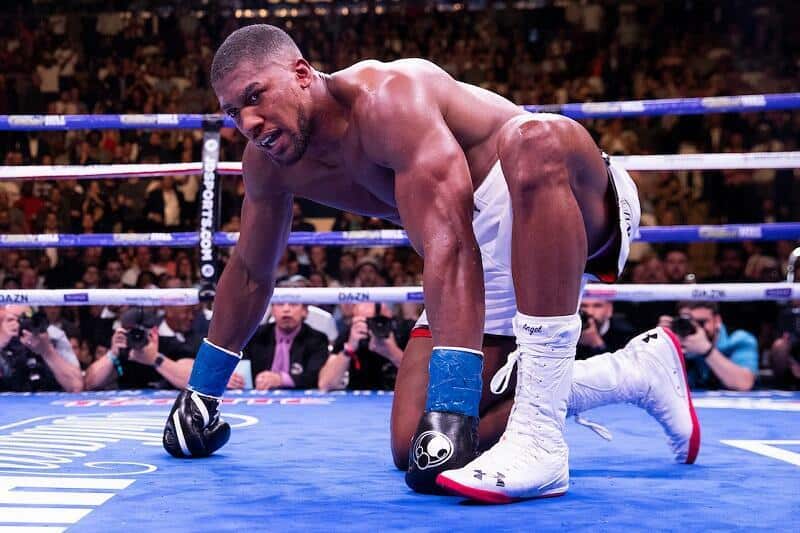
Instead, the fight shifted on a dime. As Joshua rushed in to deliver the decisive blow, Ruiz stood his ground and unleashed a devastating, short left hook to the temple that completely short-circuited the champion’s senses. Joshua dropped heavily to the mat, his legs turned to jelly, and the momentum of the entire heavyweight division swung irreversibly in the opposite direction.
Ruiz did not merely luck into a single counterpunch; he systematically dismantled the champion over the remaining rounds. Joshua never fully recovered from the initial concussion inflicted by Ruiz in that fateful third round. The Mexican-American challenger stayed relentless, pressing forward with fast hands and devastating combinations, dropping Joshua a second time in the third round and twice more in the seventh.
By the time the referee stepped in to save a battered, disoriented Joshua against the corner turnbuckle in the seventh round, there was no questioning the validity of the result. Ruiz had earned the WBA, IBF, and WBO titles through raw courage and relentless pressure, officially making history as Mexico’s very first world heavyweight champion.
In the immediate aftermath of the loss, Joshua himself earned considerable respect for how he addressed the public. Despite the wildfire of rumors consuming social media and the boxing press, Joshua refused to blame his trainers, his camp, or his physical health. In his post-fight interviews, he repeatedly stated that he made no excuses and wanted to take the bitter defeat "like a man," offering genuine congratulations to the new champion. That noble response makes the upcoming release of the raw, unedited dressing-room footage all the more intriguing, as fans wait to see whether the documentary aligns with Joshua’s public composure or reveals a far more chaotic reality behind closed doors.
Andy Ruiz Earned His Glory
The historic significance of Ruiz’s triumph at Madison Square Garden stands in stark contrast to the troubled title reign that followed. In the months after reaching the absolute pinnacle of the sport, Ruiz famously struggled to deal with the overwhelming weight of sudden fame, immense wealth, and global celebrity status.
Ruiz has been remarkably open about his post-fight downward spiral, admitting publicly that his life was quickly derailed by luxury cars, non-stop partying, celebrity appearances, and the sudden influx of millions of dollars. By his own admission, he "totally forgot" about the discipline required to remain a world champion and completely failed to prepare himself adequately for the high-stakes rematch.
When the two men met six months later in Saudi Arabia for their highly anticipated second clash, a sharp, disciplined, and tactically sound Joshua easily outboxed an out-of-shape Ruiz over twelve strategic rounds. Joshua used his reach, footwork, and jab to comfortably regain his unified heavyweight crowns, earning well-deserved praise for his ability to adjust his strategy and bounce back from devastating adversity.
Yet, Ruiz’s failure to maintain his discipline during his brief reign as champion does not diminish what he accomplished on that magical night in New York. The failure in Saudi Arabia belongs entirely to Ruiz, but so too does the majestic glory of Madison Square Garden. The two events must remain distinct in the historical ledger of heavyweight boxing.
As Netflix prepares to broadcast its four-part series next spring, sports fans will undoubtedly tune in with fascination. The documentary may offer critical new context regarding Joshua’s physical and emotional state in the hours leading up to his American debut. It may finally resolve lingering questions that have lingered in the sport for seven years, shedding light on what really happened behind the scenes before Joshua walked into the arena.
Yet no amount of documentary editing, dressing-room footage, or retrospective commentary can alter the reality of what occurred inside the ring once the bell rang. Andy Ruiz Jr. walked into the eye of the storm, absorbed the champion’s best punch, pulled himself off the canvas, and battered his way to the top of the world. Nothing Anthony Joshua or Netflix presents will ever take that away from him.