Anthony Joshua has officially sidestepped a potential return to the venue of the most damaging defeat of his professional career, choosing instead to stage his long-awaited blockbuster showdown with Tyson Fury on home soil in the United Kingdom.
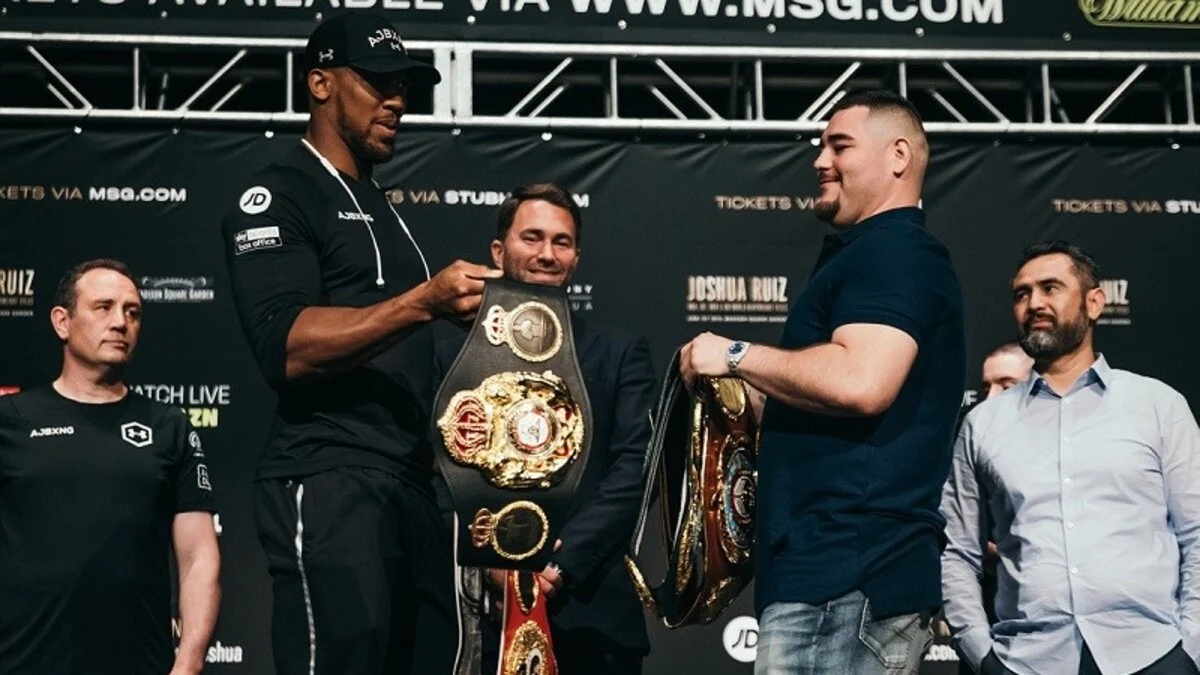
Back in 2019, Joshua traveled across the Atlantic to Madison Square Garden expecting to introduce himself to the American public as the undisputed global superstar of boxing’s heavyweight division. Instead, he left the legendary New York arena stripped of his championship belts, and remarkably, he has not fought professionally in the United States in the six years since that fateful night.
Plans had recently been put in motion for Joshua to make a dramatic, symbolic return to Madison Square Garden on November 20, setting the stage for a high-profile redemptive chapter at the famous venue seven years after his humbling setback. However, those plans were ultimately scrapped to accommodate a mutual preference for facing arch-rival Tyson Fury in the United Kingdom on December 11.
This strategic scheduling shift means Joshua has officially passed on what would have been his first opportunity to step back inside the arena where Andy Ruiz Jr. completely altered the trajectory of his career. Furthermore, Joshua is simultaneously preparing to revisit the psychological and physical wreckage of that disastrous night as part of an upcoming four-part Netflix documentary series slated for release next spring.
While the inclusion of rare dressing-room footage in the documentary is guaranteed to spark intense public curiosity regarding the inner workings of his camp and the chaos unfolding behind the scenes, Joshua’s sole professional appearance on American soil already stands as a dramatic cautionary tale of its own.
Joshua Leaves Home Comforts
When Anthony Joshua touched down in New York City ahead of his June 2019 bout, he arrived as an undefeated juggernaut. He carried three major heavyweight world titles on his shoulders and was thoroughly accustomed to fighting in front of massive, adoring crowds across Britain, where the atmosphere and creature comforts always tilted heavily in his favor.
For the very first time in his professional career, however, Joshua had stepped out of the familiar, secure surroundings of the British fighting circuit to test his mettle in the United States—a market notoriously unforgiving to foreign fighters seeking to capture the public imagination.
From the opening moments of fight week, an unusual tension surrounded the champion. When the bell rang, he looked uncharacteristically hesitant, much like a rabbit caught in the headlights of an oncoming vehicle as the immense pressure of the occasion seemed to weigh heavily on his shoulders. Lingering doubts over how Joshua would manage and perform without the comforting safety net of his usual home comforts suddenly transformed from quiet ringside speculation into glaring vulnerabilities that were impossible to ignore.
Andy Ruiz Jr., stepping in as a late replacement and carrying a modest physical stature that masked elite hand speed and devastating power, ruthlessly exposed those vulnerabilities. In a stunning turn of events, Ruiz dropped the champion multiple times before stopping Joshua in the seventh round, instantly shattering the aura of invinvibility that had surrounded the unbeaten British superstar.
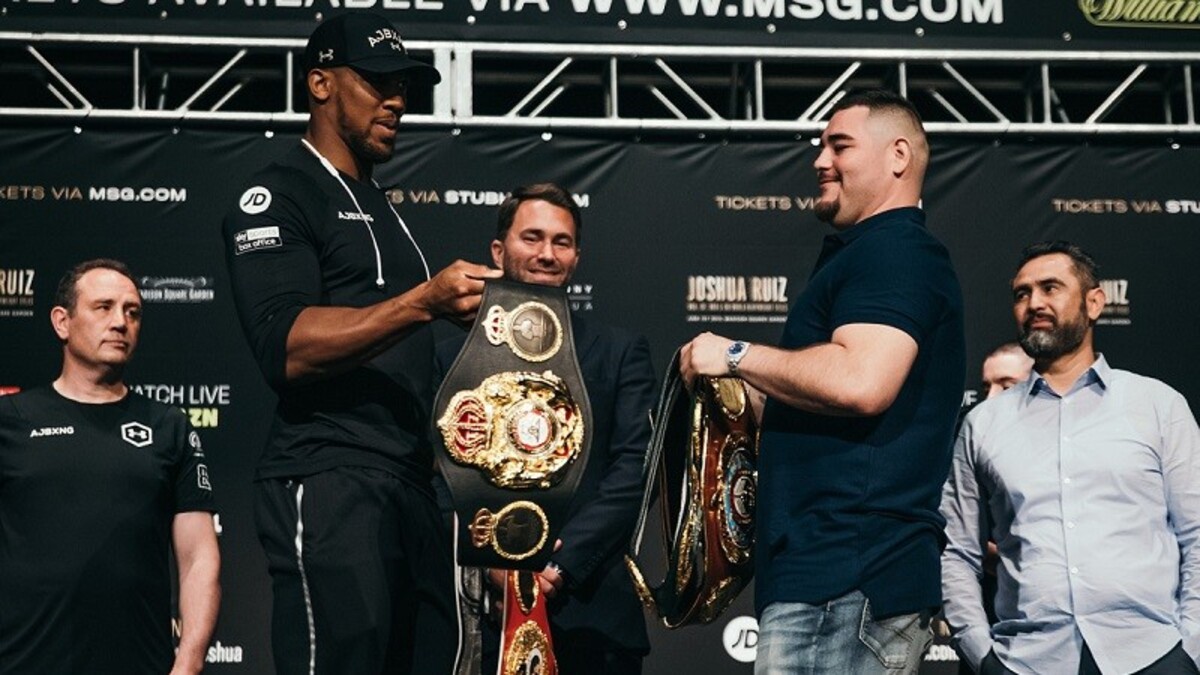
The consequences of the defeat extended far beyond the simple loss of three heavyweight championship belts. For the first time in his professional journey, the public perception of Joshua as an almost indestructible force of nature vanished into the New York air.
Of course, Joshua had faced adversity before. Wladimir Klitschko had dropped Joshua heavily during their epic 2017 clash at Wembley Stadium, silencing a partisan British crowd before Joshua dug deep, found a second wind, and rallied to produce the crowning, defining victory of his professional career.
New York, however, proved to be an entirely different beast. There was no miraculous late-round recovery, no spectacular finish to erase the mounting damage, and no hometown heroics to save the night. Instead, Joshua’s high-profile introduction to the American boxing market ended in absolute disaster.
Joshua Never Went Back
To his immense credit, Anthony Joshua deserves significant praise for the manner in which he handled the aftermath of the defeat. Rather than seeking refuge behind the endless rumors, excuses, and whispers surrounding his training camp preparation and physical state leading up to the fight, Joshua stood before the media and public and accepted full accountability for his performance.
Reflecting on the shocking upset with characteristic candor, Joshua later admitted bluntly, "I got beat. I got beaten to a pulp."
True to his word, Joshua wasted little time dwelling on the wreckage. Just six months after his humbling experience in New York, he completely overhauled his tactical approach, shedding muscle mass for enhanced mobility, and traveled to Saudi Arabia. There, he clinically outboxed Ruiz over twelve disciplined rounds to successfully reclaim his heavyweight championship crowns.
Yet, despite that successful immediate redemption, Joshua never returned to fight professionally in the United States. That single night at Madison Square Garden remains his one and only professional appearance on American soil, a solitary footprint in a foreign market that yielded bitter memories.
Joshua had initially crossed the Atlantic intending to expand his global reputation, establish a permanent presence in the world’s biggest boxing media market, and cement his legacy on international shores. Instead, Andy Ruiz Jr. handed him the most humiliating and shocking defeat of his professional journey.
Now, seven years after that humbling evening, Netflix is preparing to take viewers—and Joshua himself—back to the exact moment he attempted to conquer America, even as his active boxing career continues to deliberately steer clear of the United States.