


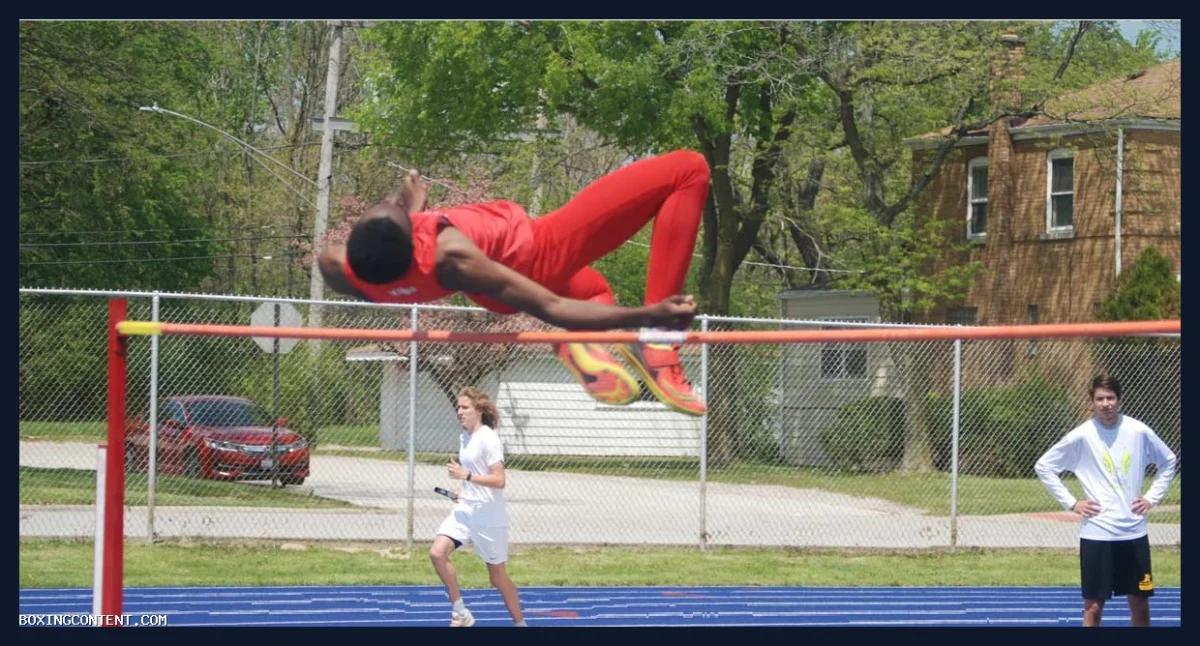
For track and field coaches and athletes alike, the high jump is widely regarded as one of the most technically demanding and intricate disciplines in the sport. While events like the long jump and triple jump rely heavily on takeoff velocity, angle, and center of mass with relatively lower technical hurdles, the high jump introduces a uniquely complex variable: a curved approach and the resulting rotational forces required to clear the bar.
Reflecting on years of coaching experience, veteran track and field coach Rob Assise emphasizes that mastering the approach is the absolute cornerstone of high jump proficiency. Drawing heavily from the foundational teachings of renowned jumps coach Boo Schexnayders, particularly his instructional work The High Jump: Technique and Teaching, Assise outlines the critical components necessary for high school and developing athletes to build a consistent, powerful, and injury-resistant high jump approach.
The intricacies of the event begin long before the athlete ever leaves the ground. According to Assise, the start of the approach must be executed with absolute consistency. For developing high school athletes, he advocates heavily for the rollover or crouch start, theorizing that more elastic athletes benefit from the pre-movement energy generated through the stretch-shortening cycle. Because the vast majority of high jumpers tend to fall into the "elastic" category rather than the "power-based" category, this method aligns naturally with their physiological profile.
Maintaining consistency at the start is vital because the beginning and the end of an approach are the easiest elements to control, while the middle naturally experiences the greatest degree of variation. While athletes will instinctively adjust the final steps of their approach to find a comfortable takeoff position, introducing too many steps at the beginning—such as a running start—drastically increases the probability of deviation. Assise stresses that a disciplined, standardized start minimizes these early errors, setting the stage for controlled acceleration through the initial steps.
Transitioning from linear acceleration into the curve remains one of the most common stumbling blocks for young jumpers. A frequent error observed in training is the tendency of athletes to prematurely surrender their inward body lean as they approach the bar. To combat this, coaches must place heavy emphasis on a high-quality curve entry, practicing it frequently rather than waiting for full-approach jump sessions.

Following the tactical principles shared by elite coaches, the transition into the curve should begin with a subtle hip rotation during the push-off of the fourth step. The fifth step officially initiates the curve and should take place outside the running lane to properly establish the required inward lean. The sixth step then solidifies the curve by landing back inside the lane. Coaches can effectively correct issues with athletes cutting the curve short by utilizing visual cues, demonstrations, and marked training curves drawn with chalk, cones, or utilized on a football field’s center circle.
Arm mechanics during this curved phase present another significant hurdle. Novice jumpers frequently restrict the range of motion in their limbs, often locking their arms tightly at a 90-degree angle against their sides through steps six through nine. To address this without over-coaching, Assise recommends a combination of verbal cues, visual feedback, and regular training using circles, semicircles, and serpentine runs. Incorporating mini-hurdles or cones along the curve has also proven successful in encouraging athletes to open up their arm action and maintain proper contralateral coordination.
Beyond the physical mechanics of running the curve, developing true steering capability is essential. While jumpers will naturally find a way to navigate toward a safe takeoff spot, practicing steering through exercises with a higher degree of variability helps athletes narrow their acceptable takeoff window during intense competition. These steering drills, when used sparingly alongside standard training, prevent athletes from relying on overly wide margins of error and sharpen their precision on the runway.

Rhythm and controlled acceleration round out the core components of a successful high jump approach. A high-quality approach must feature a gradual, rhythmic increase in speed without abrupt changes in ground contact time. A common pitfall among high school athletes is starting with an excessively fast tempo and decelerating as they near the bar, which ultimately drains vital momentum. Demanding high engagement and focusing on rhythm not just during jump training, but across all athletic movements, helps instill the necessary discipline.
Furthermore, balancing tendon health with tendon stiffness is a critical consideration for long-term athletic development. While building tendon stiffness is a common training objective aimed at reducing ground contact times and maximizing explosive power, overemphasizing heavy plyometrics and lifting can sometimes compromise speed and increase the risk of tendinopathies—particularly given the intense torsional loads placed on high jumpers. Integrating exercises that specifically promote tendon health ensures that athletes can perform at their best while staying healthy throughout a rigorous season.
Finally, addressing environmental variables such as facility inconsistencies requires strict attention to detail, notably through proper triangulation. Because high school facilities rarely offer uniform setups, establishing an accurate and repeatable starting mark through geometric triangulation using Pythagorean triples—such as a 12-foot by 16-foot by 20-foot triangle—prevents unnecessary variability. By securing precise measurements before a competition, athletes can drastically reduce runway errors.
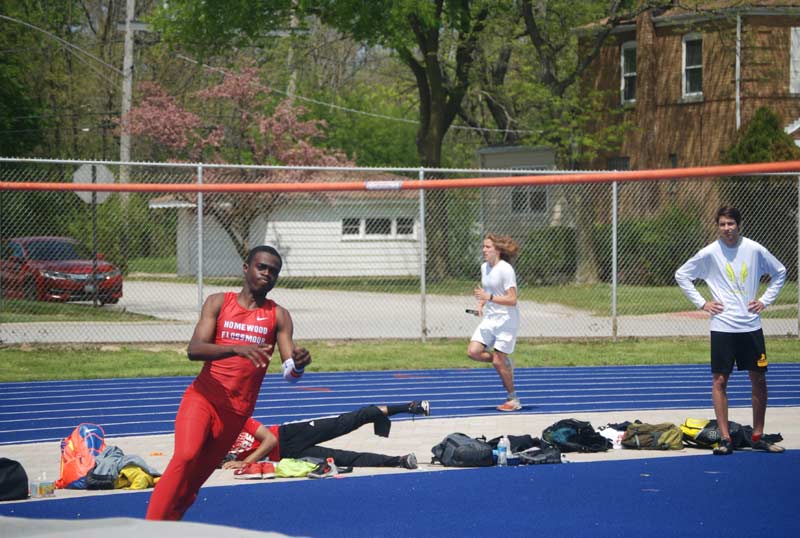
Ultimately, while mastering the high jump approach requires ongoing dedication, focusing on consistency, proper curve mechanics, and rhythm provides developing athletes with the solid foundation they need to reach new heights while remaining healthy and engaged in the sport.