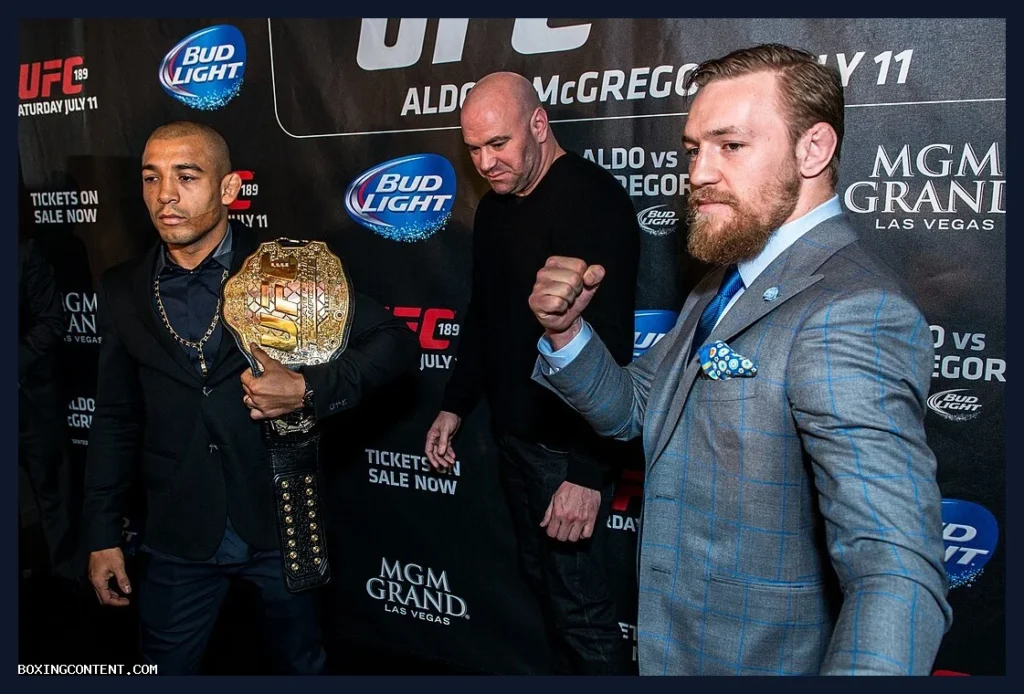



Before every major boxing card, the broadcast showcases thetale of the tape: each fighter’s reach, height, and win-loss record displayed side by side on the screen. For many fans, these metrics are treated as a definitive verdict on how a bout will unfold. However, experienced observers know that each individual statistic speaks to a completely different type of wager. Moreover, standard pre-fight graphics notoriously omit stamina—a critical, often decisive variable that frequently dictates the outcome of the championship rounds. Understanding what each statistical indicator truly reveals can make reading boxing odds significantly more transparent and strategic.
Boxing Betting Markets and Rules in Canada
There is far more to a professional prize fight than simply predicting a win or a loss. A professional bout can span up to twelve grueling rounds and may reach its conclusion by knockout, technical knockout, disqualification, or the decision of the ringside judges. Modern online sportsbooks offer dozens of distinct betting lines for a single fight, reflecting these varied outcomes. Bettors can back a specific fighter to halt their opponent within a precise window of rounds, or wager on whether the contest will go the distance and land on the judges’ scorecards.
The greatest volume of betting attention invariably gravitates toward major championship fights, where prestigious governing body belts—including those of the IBF, WBA, WBC, and WBO—are contested across seventeen distinct weight divisions.
Single-fight sports wagering has been legally permitted in Canada since August 27, 2021, following the federal enactment of Bill C-218. While this legislation opened the national market, regulatory oversight and specific rules remain under provincial jurisdiction. This includes the legal minimum age for gambling, which is set at 19 in the majority of Canadian provinces, but stands at 18 in Alberta, Manitoba, and Quebec. Beyond age restrictions, the nature of individual wagers—whether backing a knockout, a specific round, or the final distance—hinges entirely on analyzing distinct performance metrics.
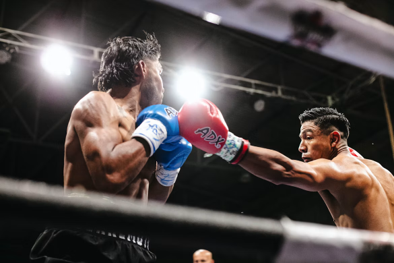
For instance, a fighter’s reach advantage alone offers very little predictive value if a bettor is attempting to forecast an early-round knockout. Conversely, a professional record heavily padded with low-tier opponents tells a completely different story, one that carries maximum relevance when simply trying to pick the outright winner of the contest.
Does a Reach Advantage Help a Boxer Win?
A longer reach theoretically allows a boxer to land a crisp jab from an external distance where their opponent’s counterpunches cannot connect. Data analysis from MMA organizations offers some perspective on how physical dimensions translate to combat sports. A review of 6,695 UFC bouts by AgentMMA demonstrated that the fighter with the longer reach emerged victorious 52 percent of the time—a figure that is barely superior to a statistical coin toss. However, once that reach disparity widened to seven inches or more, the success rate for the longer fighter climbed to 59.6 percent.
Nevertheless, physical reach is only an advantage if a fighter possesses the tactical discipline and skill set to exploit it. British contender Callum Smith discovered this harsh reality in Quebec City during January 2024. Entering the ring with a distinct reach advantage, Smith attempted to utilize his long arms to keep Artur Beterbiev at bay on the end of his jab. Beterbiev, however, simply marched through the incoming fire, neutralizing the distance advantage entirely. He ultimately stopped Smith in the seventh round, securing the twentieth knockout of his undefeated professional career. This encounter underscored the reality that reach is primarily valuable against opponents who prefer to operate from the outside, rather than relentless pressure fighters who continually press forward.
Reading Stamina From Punch Stats and Late Rounds
Detailed punch statistics frequently provide a much clearer picture of a fighter’s true stamina than a clean win-loss record ever could. Renowned punch-tracking analysts CompuBox meticulously recorded every single blow thrown during Oleksandr Usyk’s high-stakes World Boxing Super Series cruiserweight final. The data revealed a staggering escalation in work rate: over the first six rounds, Usyk averaged 63 thrown punches per round. Over the final six frames, that output surged to an average of 94 punches per round.
Late-round activity can also dramatically alter the trajectory of a tightly contested decision. In Riyadh in October 2024, Artur Beterbiev stepped into the ring for an undisputed championship showdown and found himself trailing on the scorecards of two of the three judges heading into the tenth round. Displaying extraordinary championship endurance, Beterbiev swept the final three rounds across every official scorecard, ultimately securing a hard-fought majority decision victory. For bettors eyeing late-round finishes or wagers on the fight going the full twelve rounds, examining how a fighter performed during the second half of previous bouts is infinitely more instructive than evaluating their early-round dominance.
How to Read a Boxer’s Fight Record Before Betting
An unblemished professional record invariably looks impressive on promotional posters and media hype packages, but a closer examination of the opposition is essential. Compiling a 15-0 record against journeymen who routinely lose proves far less about a fighter’s true caliber than a hard-earned 12-2 record against elite, highly ranked contenders.
The method by which victories are secured is equally telling. Welsh great Joe Calzaghe retired with a flawless 46-0 record, which included 32 knockouts, meaning 14 of his championship bouts went the full distance to the judges’ scorecards. This demonstrated not only that Calzaghe possessed concussive power to finish opponents early, but also that he maintained the tactical depth and conditioning to win over twelve hard rounds when necessary.
Putting It Together Before Your Next Fight Card
When a major matchup is formally announced and one competitor boasts a significant reach advantage, bettors must look closer at the stylistic context. If that fighter relies heavily on a measured jab and the majority of their career victories have come via decision, that reach edge points toward a points victory rather than a swift knockout. The next logical step involves reviewing the fighter’s past performances that extended past the eighth round to determine whether their offensive output remained consistent or noticeably diminished.
When all core indicators—physical dimensions, stamina metrics, and the true quality of past opposition—align cohesively, betting markets have usually already adjusted their odds accordingly. When these factors conflict or present ambiguity, the matchup becomes considerably more difficult to predict, prompting cautious wagering or choosing to sit the card out entirely. Maintaining strict financial discipline on fight night remains paramount, with Canada’s lower-risk gambling guidelines consistently recommending that individuals keep their recreational gambling expenditures under one percent of pre-tax household income per month.