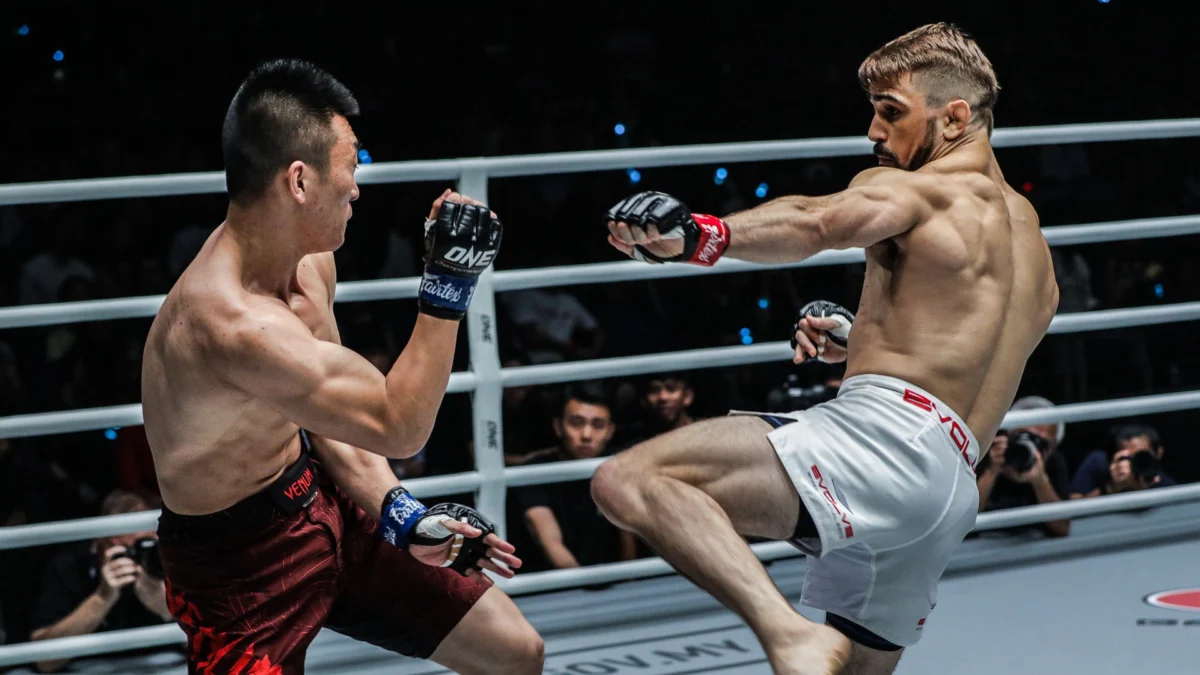
Long a point of derision for MMA coaches and analysts across the globe, mixed martial artists still
do not pay enough attention to bodywork. In an era where the spectacular is constantly sought after by headhunters and those looking for a short night at the office—operating as if a one-punch knockout is some kind of common currency—work to the body tends to be dismissed as something unfashionable.

This oversight is not just a shame; it is genuinely baffling at times. The majority of favorable opportunities that can arise from even a little strategic bodywork would surprise many fighters who spend their time visualizing Hollywood-style one-punch stoppages and flashy head-kick knockouts. In professional mixed martial arts, fighters are always looking for an edge, yet they frequently ignore one of the most reliable methods for breaking down an opponent over the course of a three- or five-round bout.
Aside from giving a fighter the golden opportunity to systematically take away an opponent’s mobility, or even stopping them then and there with the right precision technique, adding body punches and kicks to an offensive arsenal can make a competitor a much harder puzzle to figure out. The complex setups that lead to the most glamorous finishes can be significantly enhanced if the opponent is actively bracing or expecting a teep to the midsection or a crunching hook to the ribcage, rather than solely focusing on defending against the straight punch or the head kick that switches their lights out.

If you are new to targeting the body in your mixed martial arts game, it is worth examining why the sport’s greatest practitioners have always emphasized this approach, and how different types of body strikes can completely alter the dynamics of a fight inside the cage.
The Benefits of Targeting the Body in MMA
The primary advantage of focusing attacks on the opponent’s midsection is the gradual, compounding depletion of their energy reserves. In the high-stakes environment of mixed martial arts, a fighter’s gas tank is everything. When a competitor absorbs heavy hooks, thudding roundhouse kicks, or relentless knees to the ribs, their diaphragm is compressed, and their cardiovascular system is forced to work exponentially harder under extreme physical duress.
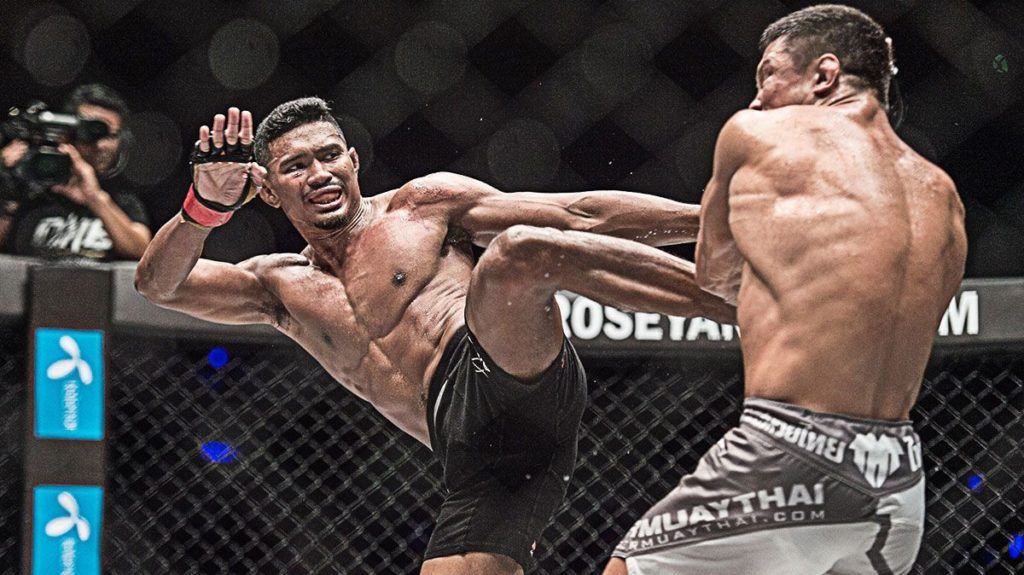
Over time, this accumulation of damage forces the opponent to drop their hands to protect their midsection, which naturally opens up vulnerabilities around the head and face. Furthermore, bodywork slows down footwork and blunts the power of counter-strikes. By attacking the body, a fighter essentially invests in the later rounds of a fight, ensuring that their opponent becomes slower, more predictable, and far easier to manage as the bout wears on.
The Risks When Targeting the Body in MMA
While the tactical rewards are substantial, targeting the body does not come without inherent risks inside the cage. When a fighter lowers their hands or extends their limbs to deliver body punches or mid-level kicks, they inevitably expose their own head and upper body to counter-attacks. A poorly timed body punch can leave a competitor vulnerable to a devastating uppercut or a flying knee if the opponent anticipates the level change.

Additionally, throwing naked body kicks without proper setup or distance management increases the likelihood of the strike being caught, which can easily result in the striker being taken down to the canvas—a dangerous proposition against a skilled grappler or wrestler. Therefore, balancing aggression with defensive responsibility is critical when incorporating bodywork into a comprehensive striking strategy.
Different Types of Body Strikes in MMA
Unlike in traditional boxing, where body shots are strictly restricted to punches, a mixed martial artist also has the profound benefit of throwing kicks and knees to the midriff. While elbows can also be utilized in close-quarters exchanges, they are naturally much rarer due to the range required.

When combat sports enthusiasts think of fighters who have frequently and successfully used body shots in mixed martial arts, legendary names immediately come to mind. Competitors like Max Holloway, Nick Diaz, Jon Jones, Eddie Alvarez, and Bas Rutten all placed a real, sustained emphasis on targeting the body throughout their illustrious careers. After all, the combat sports philosophy of "if you take the body, the head will follow" has worked wonders for generations of fighters. In mixed martial arts, the ability to utilize multiple striking weapons gives athletes numerous dynamic opportunities to open their opponents up to danger.
The most common and effective body strikes utilized in modern mixed martial arts showcase the diversity and depth required to succeed at the highest levels of the sport.

The Hook to the Body
Max Holloway is a fine purveyor of body shots in modern mixed martial arts. As a prominent featherweight contender known for his relentless volume and extraordinary gas tank, Holloway frequently throws punches in bunches. His body shots are, for the most part, executed as part of fluid combinations or deployed when his opponent is shelling up tight against the cage wall.
Nick Diaz is another iconic fighter who firmly believed in "putting money in the bank" through systematic bodywork, a philosophy that directly fueled a vast majority of his success on the feet. Both Holloway and Diaz mastered the art of aiming high to go low, often feigning straight punches on the tail end of long combinations in order to dig up and into the body precisely when an opponent’s guard was raised to defend against head attacks.

The Teep
Fighters blessed with great reaches and long legs tend to perform significantly better when it comes to executing effective body strikes from a distance. Jon Jones, widely regarded as one of the most naturally talented mixed martial artists in the history of the sport, certainly made long-range body attacks look exceptionally effective.
Jones frequently utilizes the traditional Muay Thai teep, or push kick, as both an offensive weapon and a reliable defensive deterrent. The teep acts much like a spear to the midriff, effectively holding an aggressive, approaching fighter at bay and completely taking the wind out of their sails every single time it lands flush. Elite fighters use the teep to target the opponent’s midsection to back them up, disrupt their rhythm, and maintain the desired fighting distance prior to launching a follow-up offensive sequence.

The Roundhouse Kick
Unless a fighter has personally absorbed a powerful, full-force roundhouse kick to the body, it is difficult to fully comprehend just how debilitating the impact can be. In the realm of Muay Thai, legendary practitioners like Yodsanklai Fairtex and Saenchai are renowned as some of the most devastating purveyors of this technique, inspiring generations of mixed martial artists to perfect the skill inside the cage.
In the major global promotions, elite strikers such as Anthony Pettis and Anderson Silva have famously utilized the roundhouse kick to the body with absolute aplomb, often folding tough opponents with snapping kicks that target the liver or ribs, ending contests instantly without ever needing to touch the head.

Knees to the Body from the Clinch
There are very few techniques in mixed martial arts that can drain the wind from a fighter’s lungs and cause them to visibly wince in agony quite like powerful knees delivered directly to the body. In order to successfully land these strikes, a fighter must first secure their opponent in a dominant clinch position. Any competitor who lacks technical awareness of clinch fighting inevitably becomes an easy target for a striker who excels in this range.
When locked securely into a clinch, such as a double collar tie, the opponent is essentially left at the mercy of the striker’s offensive output. To maximize the structural damage inflicted upon the midsection, knees can be driven upward to slice into the ribs and soft tissue. This remains one of the most brutal, punishing types of body strikes available in the mixed martial arts repertoire.

Targeting the body offers numerous undeniable benefits for any mixed martial artist looking to elevate their overall skill set and tactical maturity. For definitive proof of its immense value, one only needs to examine how much tactical emphasis the true greats of combat sports have consistently placed on body attacks over the decades. Armed with proper technique, precise timing, and a healthy awareness of the risks involved in throwing strikes to the midsection, fighters can effectively transform bodywork into one of the most potent weapons in their competitive arsenal.