


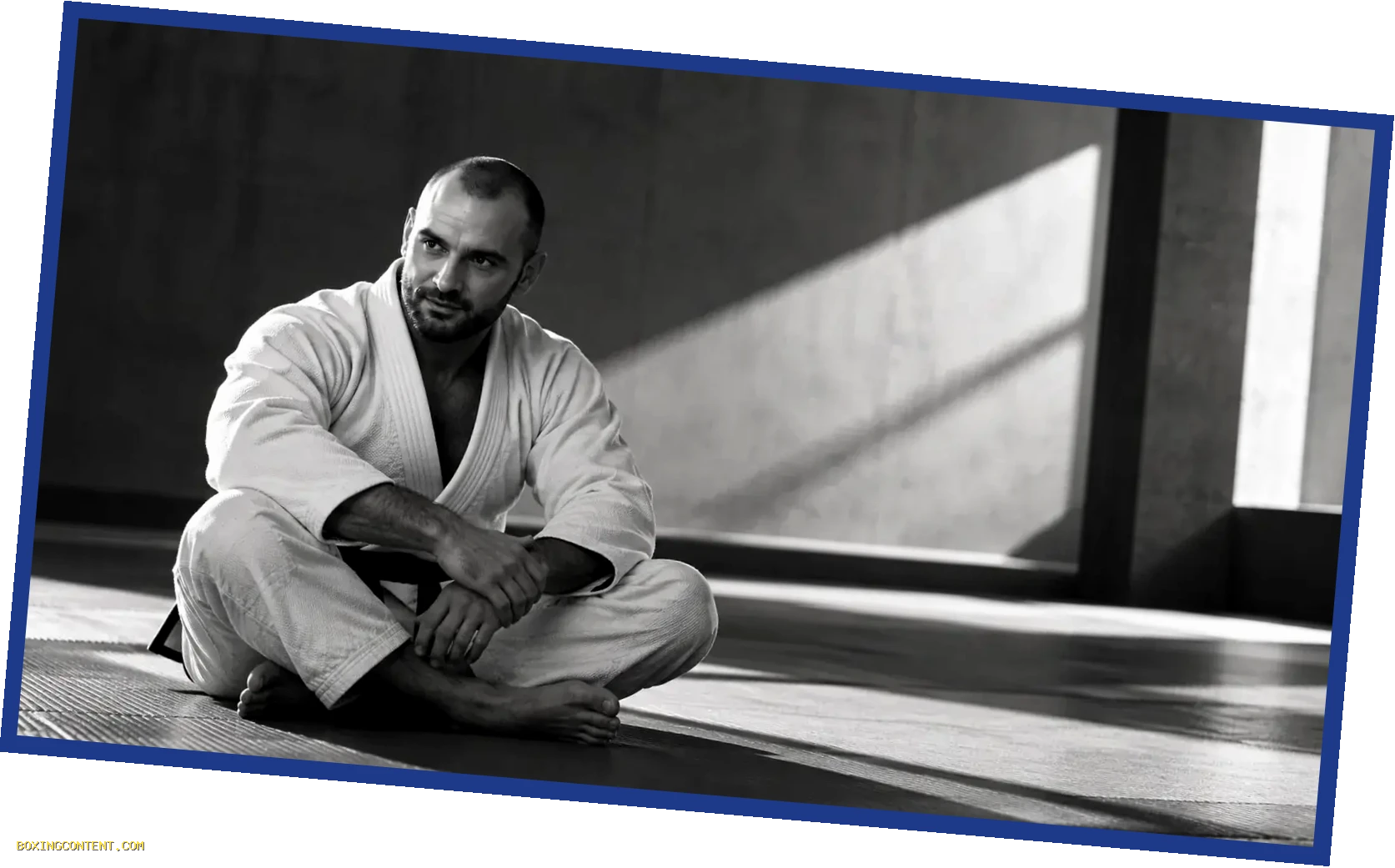
For years, Eduard Lebedev walked a tightrope familiar to many high-achieving entrepreneurs, balancing the relentless pressures of scaling a startup with the grueling, physical demands of Brazilian jiu-jitsu. As the founder of the marketing agency WakeApp, Lebedev long viewed martial arts not merely as a hobby, but as a vital anchor for his professional life. The discipline required on the mats—maintaining focus under pressure, analyzing mistakes, and pushing through adversity—helped him stay mentally sharp in the boardroom.
However, the intersection of high-intensity athletics and high-stakes entrepreneurship is not without its hazards. For Lebedev, that intersection ultimately revealed a stark boundary. After years of relentless training, an overtraining-induced wrist injury abruptly sidelined him, forcing an extended break from the sport that lasted nearly eighteen months. Today, Lebedev speaks openly about the hard lessons learned from that physical breakdown, offering a nuanced perspective on the limits of athletic grit, the unpredictable nature of building a business, and the universal challenge of recognizing when to stop.
Why Sports Routines Don’t Carry Over to Startups
In traditional sports, athletic progress often follows a predictable, structured cycle: train intensely, maintain a strict diet, prioritize sleep, and allow the body to recover. It is a formula where linear input frequently yields linear output. Building a startup, however, operates under an entirely different set of laws.
“A startup works differently,” Lebedev observes, noting that early feedback from users, clients, or market partners can completely upend assumptions that looked foolproof on launch day. In the fast-paced ecosystem of early-stage ventures, founders are rarely rewarded simply for sticking to a rigid, pre-determined training schedule or a static business plan.
When advising early-stage entrepreneurial teams, Lebedev frequently points out that discovering true product-market fit remains the ultimate existential challenge. Instead of blindly following a playbook, startups must constantly test their core hypotheses, scrutinize real-world data, and pivot their strategy the moment an initiative fails to gain traction.
While Brazilian jiu-jitsu undeniably builds transferable skills—such as grit, resilience, and the invaluable habit of critically analyzing mistakes—it cannot substitute for market reality. The discipline learned on the mat helps entrepreneurs endure the inevitable rough patches and emotional lows of running a company. Yet, when it comes to the timing and direction of the next product release or strategic pivot, external market demand ultimately calls the shots. No amount of personal discipline can force a product onto a market that does not want it.

Learning When to Stop
At the height of his athletic engagement, Lebedev’s dedication to jiu-jitsu bordered on the obsessive. He routinely trained up to twelve times a week, frequently stacking private lessons and grueling group classes into a single day. Driven by a deep passion for being on the mat, he systematically ignored the subtle warning signs his body was sending him—pushing through fatigue and minor aches until his wrist finally gave out entirely. The resulting injury was severe enough to sideline him for nearly a year and a half, bringing his martial arts journey to a sudden, involuntary halt.
Reflecting on that period of forced inactivity, Lebedev displays a candid self-awareness that is rare among driven executives. “Today I honestly admit: recovery isn’t my strong suit yet,” he says. Even when individuals intellectually understand that their bodies or minds desperately require downtime, the psychological barrier to holding back remains formidable.
Lebedev observes that business owners frequently fall into the exact same trap in their professional lives. When an entrepreneur genuinely loves their work and finds deep meaning in building their enterprise, putting in extra hours, working through weekends, and skipping vacations feels entirely harmless. It often feels like productive passion—right up until the moment clinical burnout sets in and abruptly halts progress. The parallel between physical overtraining on the mats and professional overwork in a startup is striking, with both environments punishing those who fail to respect fundamental physiological and mental limits.
The Priority Now
Today, Lebedev’s primary focus has shifted from maximizing output to maintaining sustainable health. The injury changed not only his physical routine, but his entire philosophy regarding performance and longevity.
“I want to do everything at 100%, but with an injury you have to work carefully,” he explains.
Inside the gym, this new reality translates into tangible, daily compromises. It means deliberately choosing lighter weights, skipping familiar and favored drills that put undue strain on his wrist, or pausing training sessions altogether when the injury flares up. Respecting those physical boundaries requires a high degree of honest self-reflection, and Lebedev admits that maintaining this balance is an ongoing, daily effort rather than a permanently solved problem.
Having previously written about the compelling parallels between jiu-jitsu and business philosophy, the WakeApp founder emphasizes that long-term growth demands a delicate equilibrium between persistence and flexibility. Whether on the mats or in the tech sector, pushing forward blindly without regard for limits is a recipe for catastrophic failure. Today, Lebedev is working to apply that exact same mindset to his own recovery—recognizing that knowing when to pull back is just as important as knowing when to strike.