

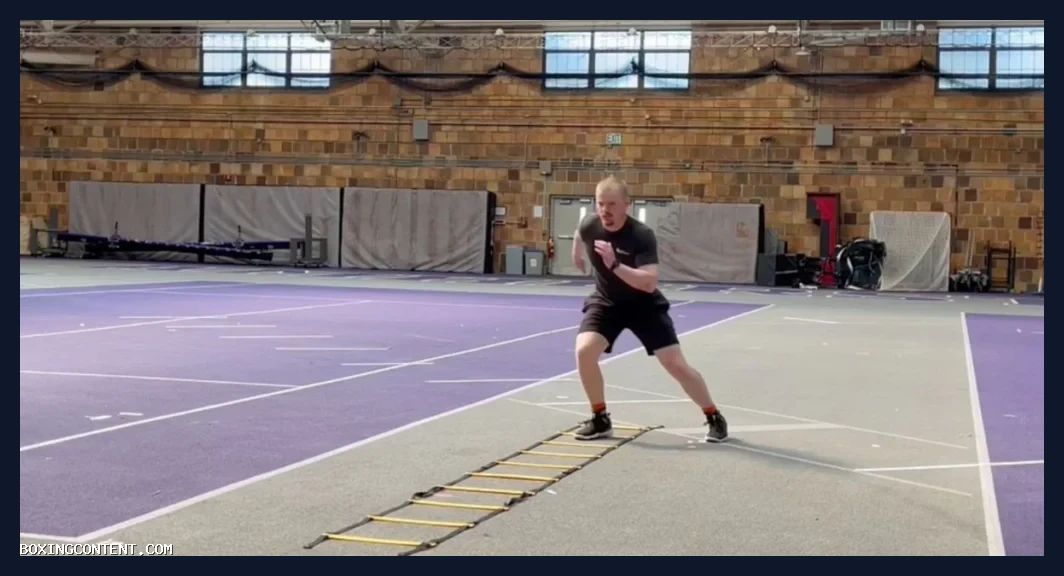
In the realm of athletic development and strength and conditioning, few training tools spark as much ongoing debate as the speed and agility ladder. Often viewed with skepticism by performance coaches who point out their limitations, ladders remain a staple on fields, courts, and training facilities worldwide. Addressing this polarization, renowned coach TJ Cahill has stepped into the conversation to reevaluate the equipment, cutting through the hype to outline four practical, highly effective ways coaches can utilize ladders for warm-ups, coordination, tissue preparation, and athlete engagement.
The core controversy surrounding agility ladders usually stems from mislabeling. Quotation marks are frequently placed around the terms "speed" and "agility" when discussing ladder drills because experts agree on one fundamental truth: ladder exercises do not replicate true maximal-effort sprinting, nor do they replace reactive agility training. Yet, rather than dismissing the equipment as entirely useless, a closer examination reveals where ladders actually fit within a comprehensive athletic development program.
Understanding the Limitations of Speed and Agility Ladders
To appreciate the true utility of the ladder, coaches must first acknowledge what the tool cannot do. Speed training is a complex discipline that cannot be duplicated by simply moving feet quickly through plastic squares. According to established training frameworks, speed training is categorized into primary, secondary, and tertiary exercises. Primary exercises directly enhance speed through precise velocities and techniques, such as a push-up start for acceleration. Secondary exercises slightly alter speed or technique while still providing overload, such as heavy sled pulls that challenge force production despite minor technical breakdowns. Tertiary exercises complement speed training broadly, such as standing broad jumps that target horizontal force production without resembling sprinting mechanics. While agility ladders often force athletes to move their feet at high frequencies, the movement patterns bear little resemblance to actual sprinting mechanics.
Similarly, agility ladders do not replicate the demands of reactive agility. The National Strength and Conditioning Association defines agility as the physical and cognitive skills and capabilities required to change direction, velocity, or mode in response to a stimulus. Much like sprinting, the ladder does not encourage the mechanical execution required to redirect the body powerfully through space. More importantly, standard ladder drills entirely lack the reactive component—the ability to change direction or speed in response to an unpredictable external stimulus, which remains a foundational pillar of true athletic agility.
The True Role of Ladders in Athletic Development
So, if ladders do not inherently build raw speed or reactive agility, what role do they play? Cahill identifies four specific areas where athletes genuinely benefit from incorporating ladders into their training regimens, shifting the narrative from miraculous performance booster to practical developmental tool.
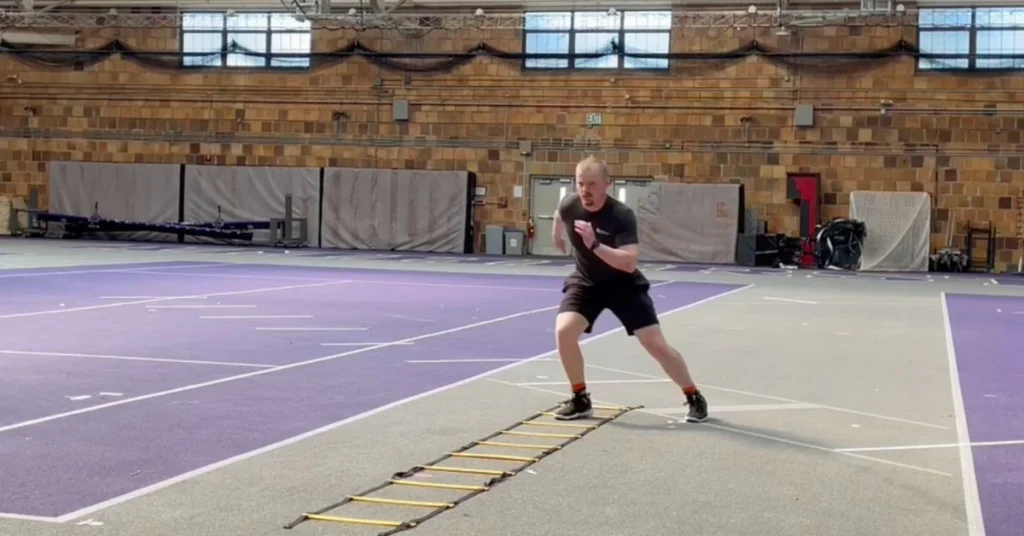
1. Dynamic Warm-Ups and Nervous System Potentiation
The first major application for ladder drills lies within the warm-up phase of a training session. Ladder exercises are exceptionally effective at elevating an athlete’s heart rate. Following established warm-up protocols such as RAMP—which stands for Raise, Activate, Mobilize, and Potentiate—sessions should begin with low-intensity activities designed to increase core body temperature, heart rate, respiratory rate, and blood flow. When used correctly, ladder drills effortlessly achieve these physiological markers.
Furthermore, these drills can successfully prime the nervous system for subsequent, more intense training blocks. Highlighting elite precedent, 2023 NFL Offensive Player of the Year Christian McCaffrey has openly discussed beginning his training sessions with ladder work. In instructional material, McCaffrey notes that he uses the ladder to "warm up the feet," "get the hips moving," and "synchronize the brain" with the body. Incorporating ladder exercises in this manner delivers a physiological stimulus comparable to traditional track and field warm-up staples like A-marches and A-skips, giving coaches an alternative tool to prepare their athletes for the workload ahead.
2. Enhancing Coordination and Movement Rhythm
While using a ladder during warm-ups serves a cardiovascular purpose, it can also yield improvements in movement coordination, particularly among younger or less experienced training populations. Developing athletes can refine their coordination within the specific movement patterns practiced, though the rate of adaptation and its direct transfer to sport-specific movements will naturally vary.
Rate coding refers to the frequency at which motor units discharge action potentials rather than the physical speed at which nerve impulses travel. While physiological reviews explain the underlying mechanisms of muscular force control, they do not establish that ladder drills directly improve rate coding or transfer directly to faster sprinting speeds. Nevertheless, specific multi-directional ladder patterns help athletes establish rhythm, timing, and synchronization of muscular contractions, acting as a rehearsal for basic movement coordination.
3. Accumulating Extensive Plyometric Contacts
Another valuable application of ladder training is increasing the volume of extensive plyometric contacts within a training session. Although extensive plyometric work may not match the effectiveness of intensive plyometrics for training the rate of force development, it serves a vital purpose: helping athletes build appropriate tissue tolerance and the structural capacity required to handle higher-intensity plyometric loads later in their training cycles.

This approach proves particularly beneficial during General Physical Preparation phases, laying a foundation that protects athletes from injury as training intensity scales upward. Additionally, training athletes to repeatedly execute submaximal plyometric efforts is crucial for intermittent sports like soccer, which demand high volumes of repeated muscular actions. Coaches can chain various ladder exercises together to form continuous, rhythmic sequences before training sessions, gradually increasing volume as athletes build a robust plyometric foundation over successive weeks.
4. Driving Athlete Engagement and Motivation
Perhaps one of the most underrated aspects of ladder training is its psychological impact. The demand for agility ladder work from parents, young athletes, and coaches is ubiquitous. Ladders capture attention, especially when elite athletes execute complex patterns with apparent fluidity and grace.
Athletes intuitively recognize the importance of smooth, coordinated movement on the court or field, and they view the ladder as a direct pathway to achieving that fluidity. This high level of engagement and enthusiasm should not be dismissed by coaches. The desire to use the ladder can effectively spark training motivation, driving the mental buy-in necessary for athletes to approach their workouts with high intent. Naturally, as with any component of a comprehensive program, coaches must communicate the underlying purpose behind every exercise rather than leaving athletes to rely on misconceptions.
Integrating Ladders into the Training Ecosystem
Ultimately, ladder exercises can be classified as tertiary movements within a broader speed and agility development framework. The practical logic centers on rehearsing rhythm, timing, and motor coordination, rather than claiming that ladder routines directly improve rate coding or sports-specific speed.
While far more specific and potent exercises exist for developing true speed and agility, ladders certainly have an appropriate place in the training landscape. By thoughtfully incorporating ladders into a training program, coaches can invigorate warm-up routines, capture valuable coordination benefits, accumulate extensive plyometric contacts safely, and foster a higher degree of engagement and motivation among their athletes.