


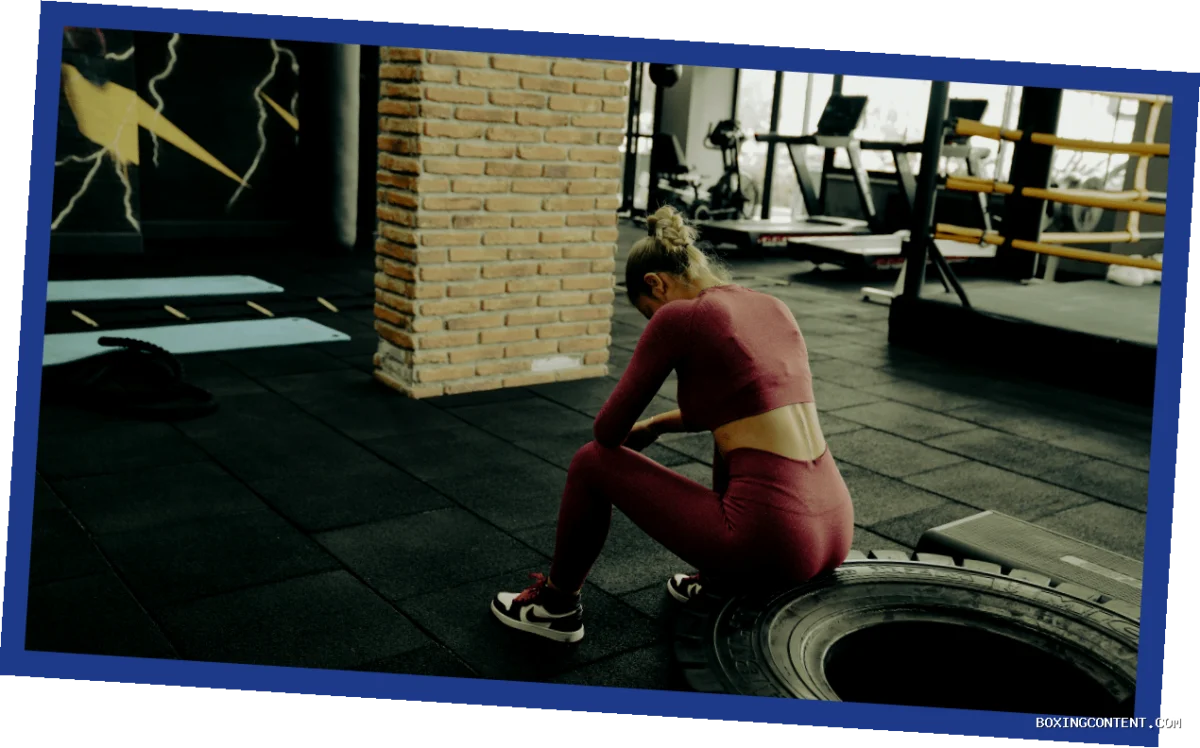
We have all heard the standard advice countless times: if you want to reach your fitness goals, you simply need to get more sleep. It is a cornerstone of recovery, muscle growth, and overall health. Yet, life happens. Deadlines loom, children wake up sick, and insomnia strikes, leaving millions of gym-goers staring at the ceiling wondering how a poor night of rest will impact their scheduled training session the next day. The immediate dilemma is always the same: should you push through the fatigue and head to the gym, or is it genuinely better to stay home, rest, and recover?
To answer this question properly, it helps to move past subjective feelings of grogginess and look at what the scientific literature actually says about acute sleep loss and physical performance. While working out after an all-nighter or a night of tossing and turning certainly feels harder, sports scientists have spent considerable effort determining how sleep deprivation affects human performance objectively.
A comprehensive and recent meta-analysis led by Craven and colleagues examined 69 distinct studies encompassing 227 outcomes to evaluate how acute sleep loss—defined as getting six hours or fewer of sleep within a 24-hour period—affects various forms of exercise performance. The researchers categorized these physical tasks into distinct groups to see where the deficits were most pronounced.
Across almost every category examined in the meta-analysis, sleep loss impaired performance. However, the degree of impairment varied significantly depending on the nature of the task. The most dramatic declines were observed in skill-based tasks, which include activities requiring fine motor control, complex coordination, high levels of precision, and technical execution. When you are sleep-deprived, your nervous system struggles with the intricate signaling required for delicate or highly technical movements.
In contrast, basic strength and power performance were affected to a somewhat lesser degree, though they still consistently dropped following sleep restriction. You can still move heavy weight on a squat or a deadlift after a bad night of rest, but your maximum force output will likely take a noticeable hit.
While these findings confirm that sleep deprivation harms athletic output, the sheer magnitude of the effect is worth noting for practical planning. On average, the data showed that for every hour a participant had been awake prior to training, their performance declined by roughly 0.4 percent. While a fractional percentage might not sound dramatic on paper, the cumulative effect of missing several hours of rest can add up quickly in a practical setting.
Consider a common scenario where an individual gets only four hours of sleep before heading to the gym for a heavy lifting session. Based on the 0.4 percent decline per hour of wakefulness, that person could realistically expect to be around two to three percent weaker that day. In the context of resistance training, a two to three percent drop in strength is often the microscopic margin between successfully hitting your usual last repetition on a set or failing the movement a rep early. It transforms a routine set into a grueling grind.
Interestingly, however, the research reveals that not all sleep loss is created equal. The specific pattern of sleep restriction matters tremendously when predicting how poorly a workout might go. Total sleep deprivation, such as pulling a complete all-nighter, or severe late-night sleep restriction tends to punish performance the most severely. The human body and central nervous system suffer profoundly when denied the deep restorative phases of sleep that typically occur in the earlier and middle parts of the night.
On the flip side, early sleep restriction—such as waking up significantly earlier than usual while managing to go to bed at your normal hour—had a comparatively smaller impact on subsequent exercise performance. The timing of your wakefulness plays a crucial role in how your body handles physical stress later in the day.
Furthermore, the time of day that training took place appeared to interact heavily with sleep quality. Workouts performed in the evening hours after a poor night of sleep suffered far more than morning sessions. This phenomenon is likely driven by the natural accumulation of fatigue and sleep pressure that builds up continuously throughout the day. When you start your day sleep-deprived and then layer a full day of cognitive and physical stress on top of it, your evening workout encounters a depleted physiological reserve. Consequently, if an individual is forced to train following a restless night, scheduling an early morning session might be the lesser of two evils.
This scheduling insight offers a practical framework for daily life as well. If you have pressing professional or personal work that you need to complete urgently, the sleep data suggests you would be far better off waking up early in the morning to tackle it rather than staying up late into the night. Waking early preserves the natural sleep onset phase, while completing your workout session earlier in the day can help mitigate the compounding effects of daytime fatigue.
Despite the hurdles of a restless night, exercise itself holds powerful bidirectional relationships with rest. Given the well-documented positive impacts of physical activity on subsequent sleep duration and quality, it is usually worthwhile to get a workout in, even when your sleep quality was suboptimal. The key to maintaining consistency without burning out is simply scaling your expectations. You may find it much easier to execute your training by slightly reducing the difficulty, lowering the intensity, or cutting back on total volume for that specific day, rather than forcing yourself through a maximal effort session that your body is not equipped to handle.
Yet, this leaves a fundamental physiological question unanswered: besides feeling utterly dreadful, why does a single night of poor sleep have such a tangible impact on workout performance? What is happening beneath the surface?
A thorough review conducted by Fullagar and colleagues suggests that several interconnected factors contribute to this performance drop. When you are sleep-deprived, your central nervous system experiences altered neurotransmitter activity and reduced motor unit recruitment, making it harder to forcefully contract your muscles. Hormonal profiles also shift, often displaying an unfavorable balance between catabolic and anabolic signals that compromise recovery and immediate energy mobilization. Additionally, perceived exertion skyrockets; simple weights feel heavier, and cardiovascular endurance tasks feel significantly more agonizing because the brain interprets physical effort through a lens of heightened fatigue and stress.
Understanding these mechanisms helps demystify why a bad night of sleep makes you feel like you are moving through wet cement. By recognizing that sleep deprivation dampens your central nervous system efficiency, alters your perception of effort, and slightly reduces your raw strength output, you can approach your training with a more rational mindset. Instead of abandoning your routine entirely or stubbornly forcing a personal record on four hours of rest, you can adjust your load, focus on execution rather than ego, and use the session as a stepping stone back toward a normal, healthy sleep schedule.
For those looking to stay up to date with the latest evidence-based training practices and research breakdowns, the Stronger By Science weekly newsletter offers regular insights and practical tips for athletes of all levels.