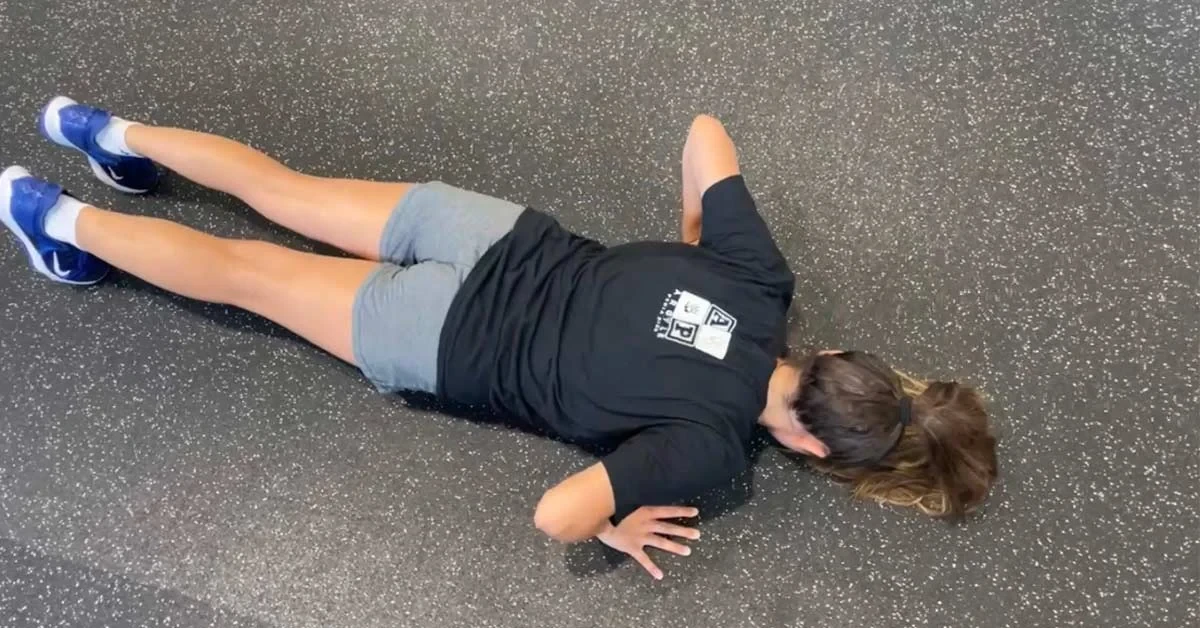
Liegestütze sind ein Klassiker. As a timeless staple of bodyweight conditioning, the classic push-up has long enjoyed a reputation as one of the most effective and universally applicable movements in fitness. Unlike many exercises that fall victim to rigid dogmas of "right" or "wrong," push-ups remain refreshingly straightforward—old-school, demanding, and technically sophisticated. They require dynamic stability and total-body coordination from head to toe, relying on a relatively small joint, the elbow, to bend, lower, and elevate the body against gravity.
Yet, treating push-ups as a simple beginner exercise or a routine checkbox for upper-body strength ignores their true mechanical complexity. For female athletes in particular, trainer and coach Rachel Hayes argues that push-ups should not be viewed merely as a basic strength-building tool, but rather as a profound reflection of relative strength and neuromuscular control. Consequently, coaches must move away from rigid, one-size-fits-all training templates and instead guide athletes systematically toward mastering this comprehensive movement.
The practice of prescribing identical training programs for both male and female athletes overlooks crucial developmental differences, ultimately doing a disservice to both groups. While male athletes often experience distinct physical adaptations during puberty, female athletes follow a different developmental trajectory. Recognizing these physiological realities does not mean lowering standards; rather, it requires coaches to implement thoughtful, individualized training strategies that honor each athlete’s unique physical development.
Developmental Considerations Through Puberty
Puberty is a complex, dynamic biological transition marked by significant hormonal, anthropometric, and neuromuscular changes that directly impact athletic performance. For professionals responsible for youth physical activity and athletic development, understanding these comprehensive shifts is essential. While girls typically enter puberty earlier than boys—often between the ages of 9 and 11—the timing and tempo of maturation vary widely among individuals.

Within this broader developmental landscape, two specific phenomena stand out as most significant for the relative development of upper-body strength in adolescent athletes: peak height velocity and neuromuscular control.
The first factor is peak height velocity, commonly known as the adolescent growth spurt. During this phase, the body’s long bones, including the femur and tibia, undergo rapid vertical growth. As overall height increases, the body’s center of mass rises, making trunk control significantly more challenging. Because push-ups demand a coordinated effort across nearly every joint from the hips upward—with the pelvis and spine bearing the primary responsibility for structural integrity—navigating these shifting levers requires deliberate postural awareness.
The second critical factor involves strength and neuromuscular control following the growth spurt. Research indicates that females do not experience a proportional "neuromuscular growth spurt" to match their rapid increases in height, body mass, and center of mass. While male adolescents often adapt to their larger frames with a disproportionate surge in muscular power—particularly in the upper extremities—female adolescents display a more linear, steady increase in strength without a similarly pronounced period of rapid neuromuscular acceleration.
Recognizing these physiological divergences is not about setting limitations for female athletes. Instead, it provides a clear rationale for why upper-body strength training must be programmed differently, ensuring that training protocols meet the actual developmental needs of athletes rather than forcing them into standardized models.
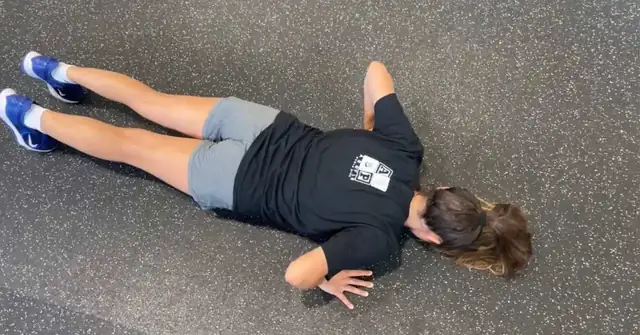
Establishing Foundational Body Postures
Before athletes can successfully execute complex multi-joint movements like push-ups, they must first develop specific positional awareness for the pelvis, head, and scapulae. Skipping this foundational step often results in athletes struggling to maintain structural integrity under load.
Effective movement requires an understanding of how to control parts of the axial and appendicular skeletal systems. Without early instruction in basic postural alignments, athletes frequently default to overextended positions that compromise stability. To illustrate this concept in a group setting, a coach might use a visual analogy: having four people hold the corners of a large sheet and imagining the center sagging under the weight of water if the corners are not properly secured.
This emphasis on foundational mechanics addresses potential postural challenges stemming from growth spurts, shifting centers of mass, lifestyle factors, or early sports specialization. Three specific structural positions form the bedrock of this preparation:
Posterior pelvic tilt and anti-extension frequently present a challenge when athletes attempt planks or push-ups, often allowing their lumbar spines to overextend and their lower backs to sag toward the floor. This places unnecessary stress on facet joints and causes the shoulder blades to collapse forward. Correcting this pattern requires teaching posterior pelvic tilt and lumbar anti-extension through exercises like dead bugs, introduced first in a supine position before transitioning to a prone position.

Cervical retraction is another vital component. Athletes frequently exhibit excessive neck extension, letting the head push forward or looking upward during pressing movements. Instructing athletes on how to retract and align the cervical spine—starting in a seated position and progressing to prone variants against gravity—ensures that the neck remains part of an integrated, stable kinetic chain.
Scapular protraction and retraction round out the postural prerequisites. Athletes must learn how to move their shoulder blades smoothly around the ribcage. Mastering this scapular mobility early on prevents unwanted elevation or forward tipping, paving the way for successful rowing, vertical pulling, and pressing mechanics.
Structured Progressions for Long-Term Success
Developing the capacity to perform a proper push-up is a gradual process that demands careful, deliberate coaching. The most effective approach begins with establishing a strong isometric foundation before simultaneously addressing eccentric and concentric capacities through varied pathways.
Observations in athletic settings reveal notable differences in how athletes adapt. Female athletes often require more time to build concentric pressing strength before performing full push-ups, whereas male athletes frequently need immediate intervention regarding basic posture and body control. Meeting athletes where they are, rather than rushing them toward an arbitrary standard, fosters long-term confidence and competence.
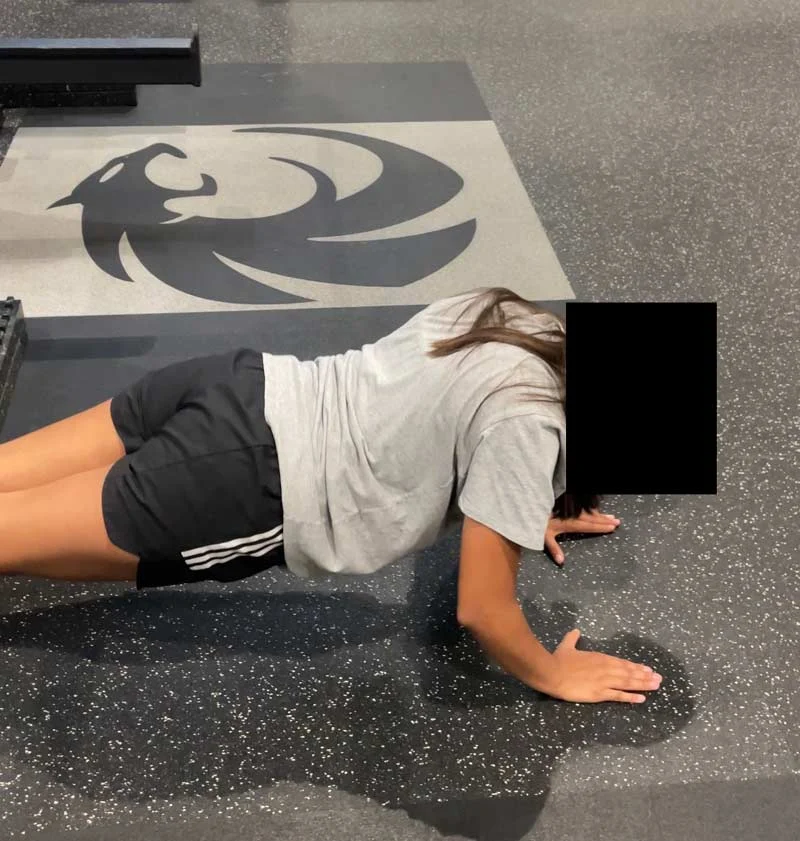
Rather than jumping straight to traditional equipment, coaches can utilize creative alternatives such as bumper plates for pressing variations, which offer an accessible entry point for building upper-body strength in environments with limited resources. Furthermore, emphasizing the eccentric phase—the controlled lowering portion of a movement—helps capitalize on the natural strength differential between eccentric and concentric capacities, ultimately supporting greater strength gains over time.
Progressing toward the full push-up involves a systematic transition across three distinct training phases:
Isometric work forms the initial baseline. Using exercises like the standard forearm plank allows athletes to practice structural stability—focusing on posterior pelvic tilt, cervical retraction, and terminal shoulder protraction—in a static environment. Developing body awareness during these 20-second holds prepares the nervous system for the demands of dynamic movements.
Eccentric training is introduced once athletes can maintain proper spinal alignment during isometric holds. Because individuals may easily slip back into overextension patterns, coaches often incorporate hand-elevated or band-assisted push-ups to maintain a full range of motion while managing the load. Dedicated eccentric pressing phases help bridge the gap between static holds and full concentric mastery.
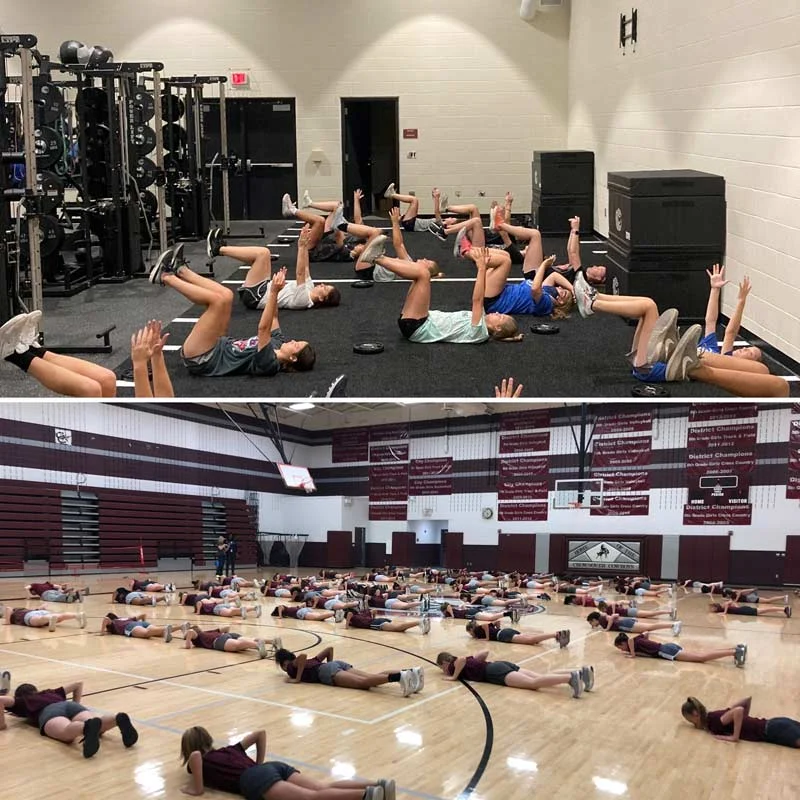
Concentric capacity represents the final phase of pushing progression. While primary lifts like bench presses can serve as overarching upper-body movements, incorporating push-ups or band-assisted variations within the same training framework reinforces the required motor patterns. Once an athlete achieves the ability to perform a technically sound push-up, prescribing lower volumes ensures high repetition quality and continued strength development without compromising confidence.
Ultimately, building long-term strength requires patience, individualized attention, and a willingness to break complex movements down into their foundational components. For female athletes, push-ups serve as a true reflection of relative strength and control, making a thoughtful, progressive approach essential for sustained athletic achievement.