inking Youth Athletic Development: The Essential Five-Part Warm-Up for Young Athletes
The period bridging late preadolescence and early adolescence represents a critical window of opportunity for introducing structured physical conditioning to developing athletes. By this stage, children have typically matured enough physically and cognitively to grasp the fundamental objectives of athletic performance training. Generally speaking, youth athletes at this developmental milestone possess the baseline capacity to line up, maintain attention, and follow complex instructions.
According to strength and conditioning coach Jeremy Frisch, the warm-up period offers the ideal environment to introduce and teach a wide array of foundational athletic skills. Frisch contends that the warm-up is arguably the most crucial component of a training session within a youth athletic development program. Working with younger populations requires an approach entirely distinct from preparing elite adult professionals or even high school varsity competitors. While a warm-up for elite athletes focuses primarily on priming the body for immediate, high-intensity loads, a warm-up for youth athletes must prioritize learning, neurological coordination, and athletic literacy.
The prevailing mindset among many coaches remains fixated on maximizing immediate performance outcomes, but ignoring the psychological and physiological needs of children risks disengaging them entirely. Traditional principles of athletic conditioning matter very little to a child whose primary motivation is simply to have fun. Young athletes have needs that diverge sharply from those of older veterans or elite collegiate competitors. While older athletes view a warm-up as a mechanism to elevate core body temperature and increase tissue elasticity ahead of strenuous exertion, youth warm-ups must double as fertile ground for developing fundamental physical and neurological factors.
Developing basic motor qualities requires years of deliberate repetition. Although some youth athletes may appear physically advanced for their age, they frequently harbor significant gaps in their athletic development. These deficiencies often stem from the systematic reduction of unstructured physical play, combined with prolonged periods of sitting in classrooms and navigating restrictive physical education environments. The ultimate objective of any quality physical preparation program is to foster speed, agility, strength, and endurance to their highest levels. However, coaches must first ensure that young athletes possess a baseline level of mobility, stability, coordination, and balance.
These foundational elements form the bedrock of long-term athletic development, and young athletes require dedicated time to bridge these developmental gaps. This reality elevates the importance of the warm-up, transforming it into an ideal vehicle for introducing and reinforcing essential athletic qualities. While progressive coaches fully support early exposure to speed development and the fundamentals of strength training, they must simultaneously utilize strategies that secure immediate athletic victories. Teaching multidirectional movements or crawling variations allows coaches to improve rhythm and timing almost instantly. Gone are the days when a simple jog around a field, followed by static stretching, could adequately address the broad spectrum of movement skills required in modern sports. Youth athletes are not scaled-down Olympians or professional competitors; consequently, coaches must recognize the warm-up as a critical period capable of preparing youngsters for both sports performance and long-term physical health.
The Core Philosophy of Youth Warm-Ups
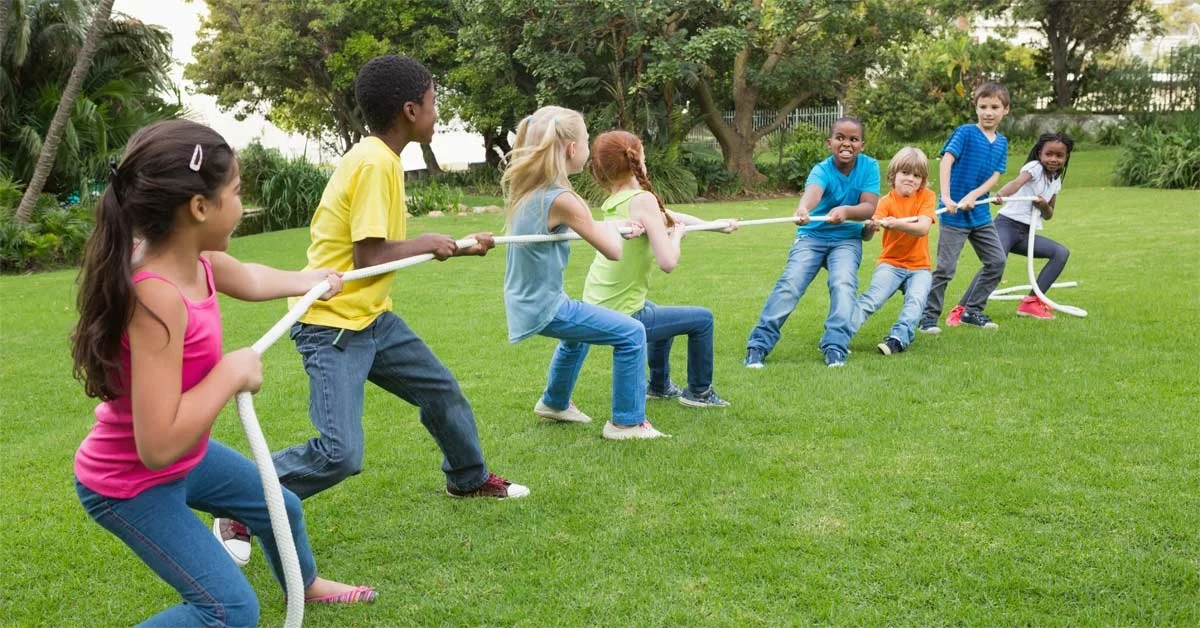
A comprehensive youth warm-up relies on a structured sequence designed to build holistic athletic capacity. Throughout this progression, young athletes encounter a diverse array of novel motor skill sets. To maintain engagement and challenge developing minds, coaches keep each sequence brief while continuously introducing fresh movement variations. Competitive sports frequently demand that an athlete execute movements from unusual positions and uncommon movement patterns. Practicing movement variability equips participants for the inherent unpredictability of competitive athletics, enabling them to make precise bodily adjustments under pressure.
This dynamic approach to physical preparation breaks down into five distinct components: locomotive skills, athletic mobility, core stability and balance, gymnastics and acrobatic movement, and foundational strength connection.
Locomotive skills represent the fundamental building blocks of human movement and serve as a primary pillar of physical coordination. These basic locomotive patterns provide young athletes with vital feedback regarding their spatial awareness and relative position to objects and peers. Over time, through consistent exposure and guided practice, children learn to select the most appropriate movement strategy for any given situation. Standard locomotive patterns include walking, marching, skipping, single-leg hops, lateral shuffling, broad jumps, and galloping. Decades ago, children mastered these movement patterns naturally during primary school physical education classes, but contemporary lifestyles have significantly reduced children’s exposure to uninhibited movement.
The true value of these simple locomotive movements lies in the infinite variety of ways they can be executed, presenting a genuine challenge to developing coordination systems. Exercises that require movement across multiple planes—both vertically and horizontally—force athletes to manipulate their limbs across specific speeds and ranges of motion. For instance, combining high-knee running with isolated arm circles develops inter-limb timing, which is the precise neurological capacity to execute unrelated movements simultaneously. Initiating locomotive movements early in a training session also helps young athletes transition mentally, burning off excess energy accumulated during long sedentary hours in the classroom.
Mobility, Stability, and the Dangers of Over-Treatment
Athletic mobility remains one of the most misunderstood elements of modern conditioning. Over recent years, a wave of fitness trends introduced static stretching, extensive foam rolling, and corrective exercises as direct replacements for dynamic movement. This movement cultivated a widespread perception that healthy children were inherently fragile and dysfunctional, leading to an over-diluted approach to training. While soft tissue care has its place, healthy children should not routinely be treated like clinical patients during a warm-up. Instead, they require consistent exposure to fundamental movement training.
The primary objective of mobility work is to expose joints to diverse directions, varied ranges of motion, and manageable muscular tension, preparing them for the unpredictable demands of athletic competition. This is achieved through full-body movements that span a wide range of motion, encompassing basic human patterns such as squatting, lunging, reaching, and rotating. For youth athletes navigating adolescent growth spurts, mobility work assumes even greater importance, as rapid bone growth can temporarily disrupt coordination and flexibility. Incorporating tools such as PVC pipes and specialized mobility sticks revolutionizes movement training by facilitating expansive ranges of motion while reinforcing foundational motor skills.
Closely tied to mobility is the development of core strength and total-body stability. Effective core training extends far beyond abdominal crunches, encompassing stability and force transfer from fingertips to toes. Training motor skills requires young athletes to navigate prone, supine, single-leg, and bilateral postures, alternating between static holds and dynamic transitions. Establishing whole-body tension across varying points of contact with the floor builds a robust framework for proper posture during athletic competition. Children naturally resist prolonged static positions; they require controlled chaos and continuous locomotion to stay engaged and motivated.
Gymnastics, Acromovement, and Foundational Strength
Integrating basic gymnastics, tumbling, and animal movements into a warm-up provides young athletes with essential spatial awareness regarding the floor. Many modern youths have largely forgotten how to navigate the ground effectively, having transitioned rapidly from crawling to walking and running. However, competitive sports frequently force athletes to hit the ground or absorb unexpected falls. Whether executing a sliding tackle in soccer, diving for a ball in baseball, or absorbing impact in contact sports, athletes require the confidence and motor control to protect themselves during accidental collisions.
A lack of foundational physical education has left many youth athletes unfamiliar with basic acrobatic skills like rolling and turning. Encouraging children to transition seamlessly between standing positions and the floor builds vital body control. While such activities inevitably involve facing minor challenges and frustrations, coaches must structure these movement patterns carefully, offering simpler variations first before progressing to more demanding tasks.
The final pillar of this preparatory sequence involves foundational movement skills and connection strength. Dedicating a portion of every session to mastering basic bodyweight exercises lays the groundwork for more advanced resistance training using barbells, dumbbells, or kettlebells down the line. Furthermore, these movement patterns act as direct precursors to dynamic actions later in a workout; for instance, a controlled walking lunge primes the lower body for explosive skipping drills and subsequent sprint work.
Even as athletes advance into high school and collegiate ranks, moving away from generic stretching routines in favor of targeted movement integration yields superior results. The primary goal of a warm-up remains the mitigation of minor bodily dysfunctions through enhanced movement literacy rather than merely masking symptoms with corrective band-aids. By prioritizing movement vocabulary and structured coordination early in an athlete’s journey, coaches can successfully bridge the gap between unstructured play and elite athletic performance.