


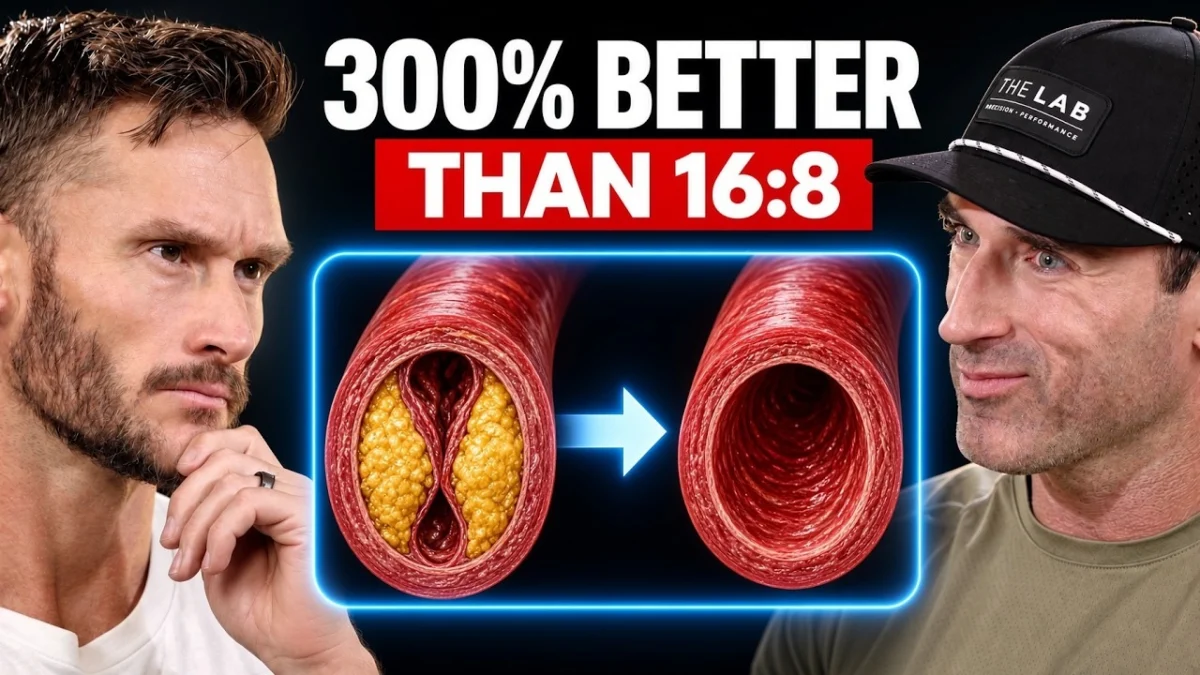
In a recent online interview, fitness content creator Thomas DeLauer sat down with Dr. John Chef to unpack a specialized fasting protocol designed specifically to target stubborn visceral fat and improve insulin resistance. Eschewing the conventional daily eating windows popularized by intermittent fasting trends like the 16:8 method, the experts explored a more concentrated approach that compresses an extended fast into a single day each week.
According to Dr. Chef, the strategy centers on a 32- to 36-hour fast executed once a week over a period of up to six weeks. However, the fasting window itself represents only a fraction of the overall strategy. The complete physiological protocol relies on a carefully managed three-day cycle involving pre-fast glycogen depletion, specific metabolic transitions, and a structured refeed phase, alongside precise tracking of ketone levels and targeted physical activity.
Three Phases Drive the Whole Protocol
Dr. Chef refers to his methodology as an "accelerator protocol," aiming to replicate the profound metabolic benefits of a much longer fast while actively mitigating the muscle loss typically associated with prolonged food deprivation.
"Phase one, glycogen depletion. Phase two, metabolic transition. Phase three, refeed. Simple. That’s it in a nutshell," Dr. Chef explained during the interview, emphasizing that the setup preceding the fast matters far more than the raw duration of the fast itself. In his view, fasting is a biological tool whose efficacy depends entirely on how the body is prepared to enter it.
While these clinical observations point to promising outcomes—with Dr. Chef citing internal database claims that a 36-hour weekly fast can mimic the effects of a seven-day fast and significantly reduce total body fat mass over six weeks—experts note the absence of peer-reviewed, randomized controlled trials in the current conversation. Consequently, these metrics remain clinical observations rather than established scientific consensus.
Who Should Wait Before Trying This
Before embarking on an extended weekly fast, practitioners must establish a firm baseline of nutritional awareness. Dr. Chef stresses that individuals should understand their Total Daily Energy Expenditure (TDEE) and have their daily macronutrient intake locked in before attempting the protocol.
"We have to meet a certain fundamental level of criteria. Otherwise, this is a suicide mission," Dr. Chef remarked, using strong language to highlight the potential risks of entering an extended fast without adequate nutritional preparation.
Healthcare professionals similarly advise caution. Anyone managing diabetes, pre-existing medical conditions, or taking prescription medications should consult a qualified physician before altering their dietary routine or attempting extended fasting. Furthermore, the protocol does not involve stacking multiple 24-hour fasts or imposing severe calorie restrictions on non-fasting days, with Dr. Chef characterizing the approach as relying on pure metabolic potency rather than chronic deprivation.
Day One: The Pre-Fast Glycogen Drain
To prepare the body for a Monday fast, Sunday serves as a crucial setup day centered around the depletion of liver glycogen. While muscle glycogen remains largely sequestered within muscle tissue, the liver stores roughly 100 grams of glycogen—varying by individual—that directly influence the body’s early insulin response.
The primary objective of the pre-fast day is to actively wipe out liver glycogen stores and ensure they are not immediately replenished. Additionally, Dr. Chef notes that the timing of physical movement during this preparation phase plays a significant role in managing glycemic variability, offering a more stable transition into the fasting period compared to random bouts of activity.
Day Two: The Fast Itself
Rather than encouraging rest or sedentary behavior during the fasting window, the protocol demands a high level of energy expenditure. Dr. Chef encourages clients to target upwards of 20,000 steps on the fasting day, noting that the absence of time typically spent preparing and consuming meals—roughly three and a half hours daily—frees up substantial time for physical movement.
"Move more. Be obsessed about moving on the fasting day. That’s how you get more out of it," Dr. Chef advised.
A central component of the fasting day is heat exposure. Dr. Chef incorporates sauna sessions, building up gradually to two 45-minute rounds or three 30-minute rounds of high heat to stimulate heat shock proteins. For individuals without sauna access, a hot bath lasting at least 20 minutes can serve as an alternative, though he acknowledges it is considerably less comfortable. Because heat stress combined with fasting can present cardiovascular risks, practitioners are cautioned to build their tolerance slowly and consult medical guidance if necessary.
Ketones Are the Dashboard
Throughout the protocol, metabolic markers serve as the primary indicator of success. Dr. Chef identifies circulating blood ketones as the essential dashboard for tracking physiological changes.
"Ketones are the biomarker to follow. If your ketones are going up, every other condition has to be met. Glycogen depletion, insulin normalization, high-grade lipolysis, then ketones," he stated.
To accurately monitor these shifts, Dr. Chef recommends blood fingerstick meters or continuous ketone monitors rather than standard urine strips, noting that exogenous ketone supplements do not reflect true endogenous metabolic states. While the mechanistic link between elevated ketones and cellular autophagy remains compelling, experts point out that direct measurement of autophagy requires invasive clinical procedures like tissue biopsies rather than consumer tracking tools.
If illness or unusual symptoms arise during the process, the fast should be promptly terminated. Dr. Chef shared an example of a client who experienced mild symptoms during low ketone ranges and was subsequently diagnosed with influenza, underscoring the importance of listening to the body and abandoning a fast when health is compromised.
Day Three: Refeed Without Wrecking Your Gut
Breaking an extended fast requires a careful, methodical approach to avoid digestive distress. If an individual wakes up feeling energized, light movement and sauna sessions may continue, but those feeling fatigued are advised to refeed immediately.
The refeed process begins exclusively with bone broth, which provides gentle nourishment for the digestive tract without triggering a heavy amino acid response from proteins like leucine. Introducing heavy solid foods too quickly following a prolonged fast can be harsh on the gut; Dr. Chef recalled an instance of breaking a fast with a ribeye steak, describing the resulting digestive experience as excessively harsh.
High-intensity training is discouraged during fasting and immediate post-fast days. Instead, practitioners are advised to limit physical exertion to roughly 50% effort, reserving intense workouts for later in the weekly cycle.
Do Women Fast Differently?
The discussion also touched upon physiological differences in fasting responses between men and women. Dr. Chef suggested that women often struggle with chronic calorie restriction but can respond favorably to short, intermittent bouts of intense fasting based on his clinical observations. DeLauer added that women’s fatty acid oxidation responses to adrenaline appear robust, potentially offering unique metabolic advantages.
However, researchers emphasize that scientific literature regarding sex-specific responses to extended fasting is still developing. While clinical anecdotes offer interesting insights, individual biological differences mean that personal responses can vary widely.
The Rest of the Week Matters Too
On non-fasting days, the protocol transitions to a structured carbohydrate-cycling approach designed to support muscle growth and recovery. Training days incorporate carbohydrates around workouts, while rest days moderate intake to roughly 75 to 100 grams. According to Dr. Chef, the overarching objective is to maintain positive muscle protein synthesis and growth signals throughout the remainder of the week, with his clinical data suggesting modest skeletal muscle gains among compliant participants.
In his medical practice, Dr. Chef occasionally integrates physician-prescribed tools such as GLP-1 receptor agonists to help manage appetite, alongside supplements like dihydroberberine and urolithin A to support mitochondrial function. These interventions, however, remain strictly under medical supervision and are not intended for general public replication without professional oversight.