Athletes posting on social media is hardly a novel concept. For the past decade, sports stars have consistently ranked among the most-followed and most highly engaged-with accounts across platforms like Instagram. However, a profound shift is currently underway regarding how these competitors recognize the true value of their digital presence. Rather than relying solely on traditional public relations teams or generic promotional material, modern athletes are realizing that their personal digital footprint is arguably their greatest asset in building long-term marketability, prompting them to take unprecedented control of their personal brands.
In a professional role at Meta, working directly alongside some of the highest-profile athletes in the world as well as the rising generation of talent reveals a striking consistency in ambition. When meeting emerging and established competitors for the future, the inquiries almost invariably center on core strategic questions: How can I stand out? What can I be doing more of? How can I effectively grow my audience? What specific content performs best in an increasingly crowded digital ecosystem?
The encouraging reality within a global media landscape overflowing with content is that the absolute best operators still find a reliable way to cut through the noise. Those athletes who consistently hit the mark by combining creative formats with genuine, personal storytelling provide some of the most compelling examples for the broader sports industry to learn from.
Last month, the sporting and digital worlds celebrated these trailblazers with the inaugural Meta x SportsPro Athlete Honours. The awards program formally recognized standout storytelling and digital content throughout the preceding year, honoring 20 athletes who collectively represented 11 distinct sports and nine different countries. Despite the rich diversity of disciplines, nationalities, and award categories, several clear overarching themes emerged from the winners. From taking greater operational ownership of branded partnerships to finding untapped commercial value in the candid moments already sitting idly in their smartphone camera rolls, these victors offered a definitive blueprint of what successful athlete storytelling looks like today, and what others can expect to learn from them moving forward.
Being Authentic
Authenticity is a corporate buzzword that frequently draws skepticism in modern marketing circles, often tossed around in professional discussions without any real context or underlying meaning. In truth, authenticity is not simply a rigid content format or a passing internet trend; rather, it represents an overall approach that feels natural to the individual athlete. When executed effectively, it serves as one of the most vital facets of any competitor’s comprehensive brand strategy.
Consider the digital footprint of Erling Haaland. Immediately following the conclusion of a high-stakes fixture, the star striker will frequently post photos directly to his personal feed. Whether it is a raw celebration captured inside the stadium dressing room, hoisting a prestigious trophy like the Champions League, or an amusingly surprised selfie after scoring a crucial brace, the content is markedly different from standardized match photography provided by a club or an overly sanitized image curated by a corporate PR team. Instead, it is captured and posted directly by the player himself.
This unfiltered approach was widely cited as one of the key contributing factors behind the extraordinary growth of more than 30 million Instagram followers he gained during a single summer, propelling him to a prominent fourth-place ranking in SportsPro’s definitive list of the world’s 50 Most Marketable Athletes, powered by NorthStar Solutions Group. Naturally, these candid selfies have evolved into a strategic consideration due to the immense organic engagement they consistently generate, but the practice originated organically long before commercial calculations took over. It came directly from the athlete himself, and that fundamental origin is precisely why it continues to resonate so deeply with millions of fans.
Formula One provides another compelling case study in distinct personal branding. While global football features tens of thousands of professional players, the elite grid of Formula One is strictly limited to just 22 drivers. These 22 individuals travel the globe together year-round, competing against one another every alternate weekend while maintaining vastly different personal backgrounds and eccentricities. This dynamic environment served as a cornerstone for the runaway global phenomenon of sports docuseries like Drive to Survive.
The television format granted drivers an unprecedented opportunity to showcase their authentic personalities without a traditional media filter. With such exclusive access spread across a remarkably small pool of competitors, fans found it exceptionally easy to align with their favorite driver based entirely on who they perceived as the most relatable, humorous, or inspirational figure.
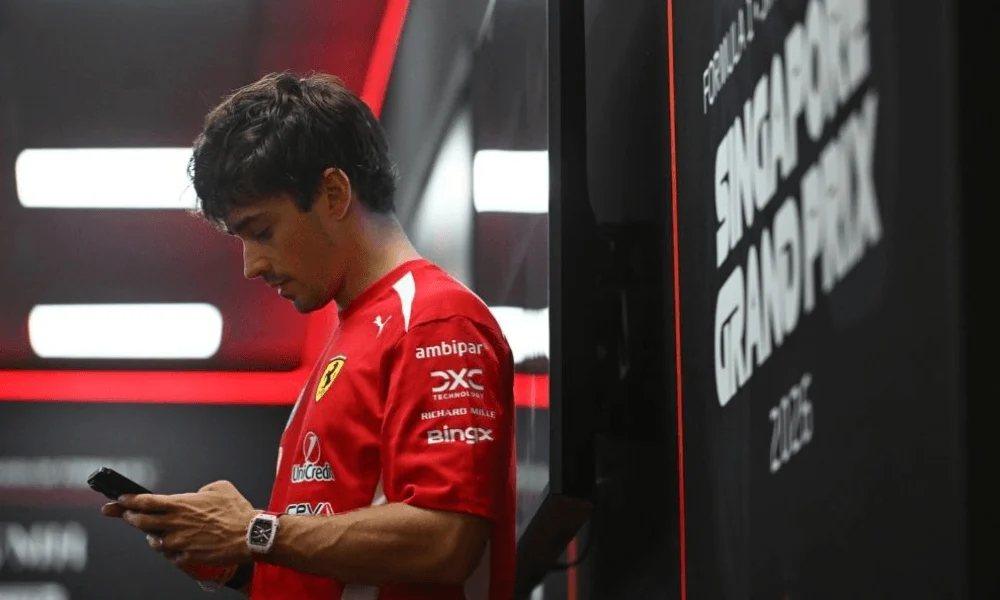
Consequently, the personal social media channels of these drivers evolved into a natural extension of that on-screen exposure. George Russell projects a public persona distinct from Lando Norris, who in turn differs significantly from Charles Leclerc and Lewis Hamilton. Each utilizes their social channels in entirely unique ways, yet every approach remains entirely authentic to the individual behind the account.
Lewis Hamilton, whose Ferrari F40 digital series captured top honors for Content of the Year at the Meta x SportsPro Athlete Honours, typically offers less polished and more self-shot imagery compared to peers like Leclerc. Despite their contrasting methodologies, both drivers have successfully cultivated deeply engaged audiences because fans possess an inherent trust that a real person is operating the device on the other side of the screen. Both strategies remain true to their respective creators, and both consistently achieve commercial and engagement success.
Similarly, Lando Norris frequently engages in live streaming sessions that grant followers deep insight into his lifestyle away from the racing circuit. On the opposite end of the temperament spectrum, Max Verstappen’s supporters understand that he is far more reserved, preferring to concentrate intensely on the craft of racing while maintaining a strict boundary keeping his private life away from the public track. That measured approach remains entirely valid, proving that athletes do not need to overshare to succeed; Verstappen continues to rank among the best-performing athletic accounts on Instagram through sheer consistency and alignment with his genuine personality.
Ultimately, authentic engagement is not about manufacturing a constant stream of selfies, nor is it about blindly chasing the latest viral trend and broadcasting every minute detail of a private life. The recurring mistake made by many public figures is assuming there is a rigid, universal formula for authenticity. In reality, no such formula exists. It is entirely about discovering an approach that best articulates an individual’s true identity in a manner that feels comfortable to maintain over the long term. That is what audiences respond to most favorably. Whether an athlete adopts the style of an Erling Haaland or a Max Verstappen, neither philosophy is inherently superior; fans simply desire a genuine connection and possess an acute radar for artificial positioning. The ultimate power thus remains firmly in the hands of the athlete to publish content on their own terms.
Creative Control Builds Brand Value
Throughout the past year, the sports marketing landscape has witnessed striking collaborations between powerhouse global brands and rising superstars such as Lamine Yamal, Jude Bellingham, and Erling Haaland. The enduring success of these high-stakes partnerships stems from the mutual value both parties bring to the table: an invaluable opportunity to expand market share in priority regions, cultivate emerging demographics, and capture international headlines through best-in-class creative campaigns.
Underpinning the evaluation methodology of SportsPro’s Most Marketable Athletes rankings is a comprehensive assessment model that synthesizes three primary pillars: Brand Equity, which measures the breadth and strength of an athlete’s overarching public image; Momentum, which tracks the rapid velocity of their growing commercial value; and Commercial Trajectory, which analyzes the future headroom available for further expansion.
While these three metrics naturally fluctuate over time based on immediate sporting achievements and competitive results, it is increasingly evident that modern athletes are exerting greater influence than ever across all three dimensions, collectively defining their overarching brand value. Modern corporate partners are no longer merely seeking basic media reach; they demand a demonstrable return on public sentiment when aligning with a sporting icon. This is precisely the operational arena where competitors like Charles Leclerc have excelled.
Having cultivated a sustained presence atop Meta’s internal platform metrics for several years, it came as little surprise when Leclerc was crowned motorsport’s most marketable athlete and secured the second-highest overall score for global brand equity. His hands-on involvement in content creation reached a milestone when he co-founded his own specialized creative studio, Sidequest, alongside his long-term professional photographer Antoine Truchet and brand strategist Nicolas Jayr.
This bespoke infrastructure grants Leclerc extraordinary creative autonomy. When commercial partners seek to launch a campaign involving the driver, they can utilize Sidequest’s dedicated production arm, ensuring that the resulting content meticulously balances Leclerc’s personal image alongside the precise marketing messaging required by the corporate sponsor. For the athlete, this arrangement guarantees uncompromising consistency in quality and narrative across an entire portfolio of commercial partnerships, further compounding his underlying brand equity.
By actively participating in or outright owning the creative process, athletes are shifting commercial partnerships away from traditional, transactional advertising models and transforming them into comprehensive platforms for enterprise-level brand building. This sophisticated playbook mirrors strategies long utilized by prominent American sports figures such as LeBron James and Naomi Osaka, and it represents a commercial paradigm that industry observers expect to see increasingly replicated across the European sporting landscape.
The broader takeaway for the coming years points directly toward an expanding opportunity for athletes to assume tighter control over their branded content. Historically, a professional competitor might have defined commercial success simply by the financial payout of an endorsement contract. In a modern media environment defined by infinite content, exclusive access, and narrative depth, the triumph of a promotional campaign relies heavily on the caliber of the creative execution and its seamless alignment with the athlete’s genuine persona. No one is better positioned to guide that alignment than the athlete themselves.
The Best Content in the World Is in Your Camera Roll
The enduring popularity of sports documentaries, autobiographies, and social media channels ultimately boils down to a single fundamental commodity: access. There are vanishingly few people on earth experiencing day-to-day life in the exact manner of a professional athlete. From chaotic locker rooms and euphoric championship celebrations to grueling training sessions and constant global travel, competitors routinely find themselves embedded in environments that millions of spectators would desperately love to witness firsthand. Crucially, they navigate these extraordinary worlds with a high-definition camera housed in their pocket.
Yet, despite this distinct advantage, the content that frequently makes its way onto public Instagram feeds often mirrors the exact same material available to the general public: standardized professional match photography, heavily produced campaign imagery, or generic promotional graphics previously circulated by official broadcasters and media outlets. Fans follow their sporting heroes for a specific reason—they want to experience a genuine slice of the reality behind the athlete’s profession.
A particularly resonant perspective on this dynamic was articulated by Australian snowboarder and four-time world champion Scotty James. Discussing digital content strategy alongside his brother Sean, the winter sports icon noted that handing over a personal smartphone to reveal an unfiltered camera roll would expose the exact same raw material that should rightfully populate an official social feed. The core philosophy centers on sharing the reality captured within the camera roll rather than curated corporate messaging.
Put simply, the winning approach is to lower the barrier and grant supporters access to moments that cannot be replicated anywhere else. It is rarely the technical perfection of the photography that commands attention; rather, it is the rare perspective, the insider vantage point, and the reassuring feeling that the athlete made a conscious, personal choice to share that specific slice of life with their audience.
There is also immense power in the inherent simplicity of this methodology. Occasionally, a collection of slightly unpolished or blurry photographs, an amusing behind-the-scenes video featuring a teammate, or a spontaneous, unscripted selfie conveys a far more compelling narrative than the most heavily budgeted commercial production ever could.
What feels entirely ordinary and mundane to a professional athlete is frequently perceived as extraordinary and fascinating by a devoted fan base. The primary challenge for competitors is not necessarily to expend exhaustive energy manufacturing additional content, but rather to recognize the inherent value embedded within the moments that already exist in their daily lives and to grow comfortable sharing those experiences with the public. An athlete’s unique perspective is an irreplaceable asset that aligns naturally with modern social platforms, playing an increasingly decisive role in defining their overall marketability as the digital sports landscape continues to evolve.