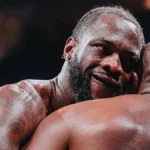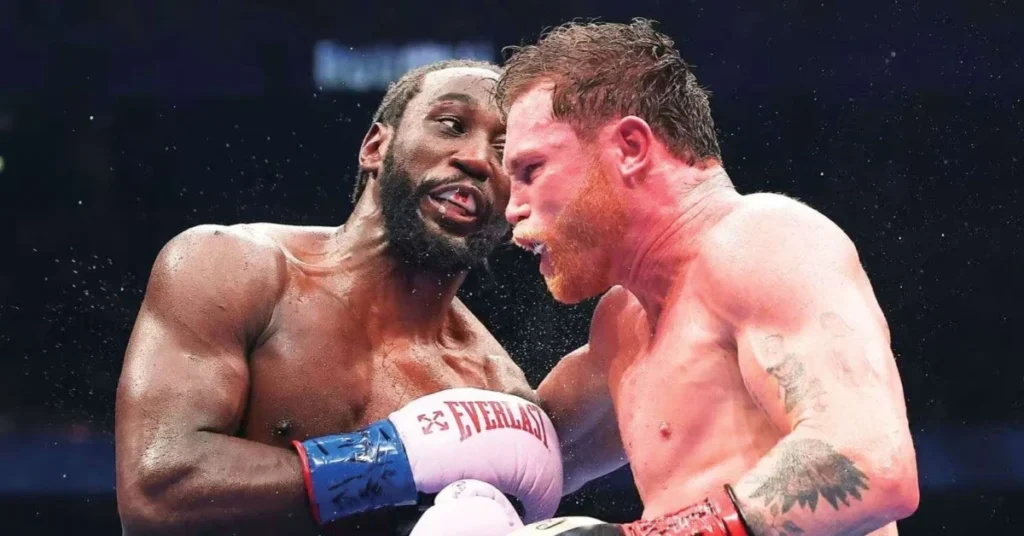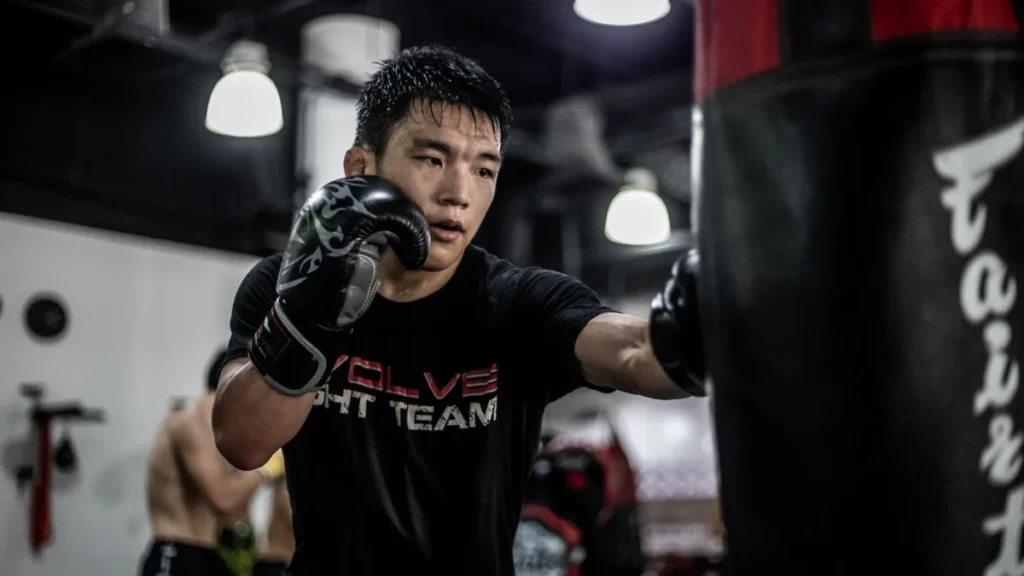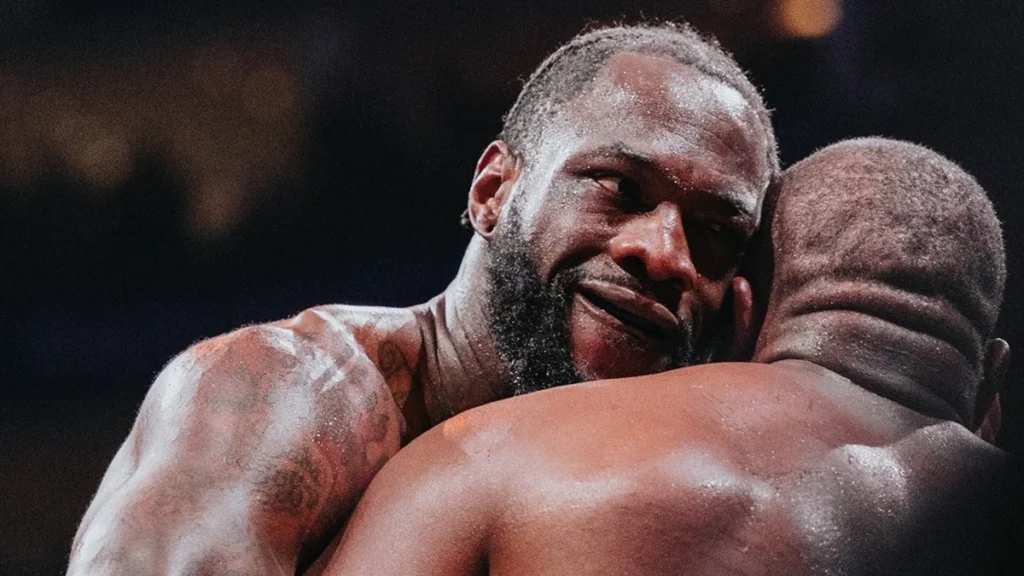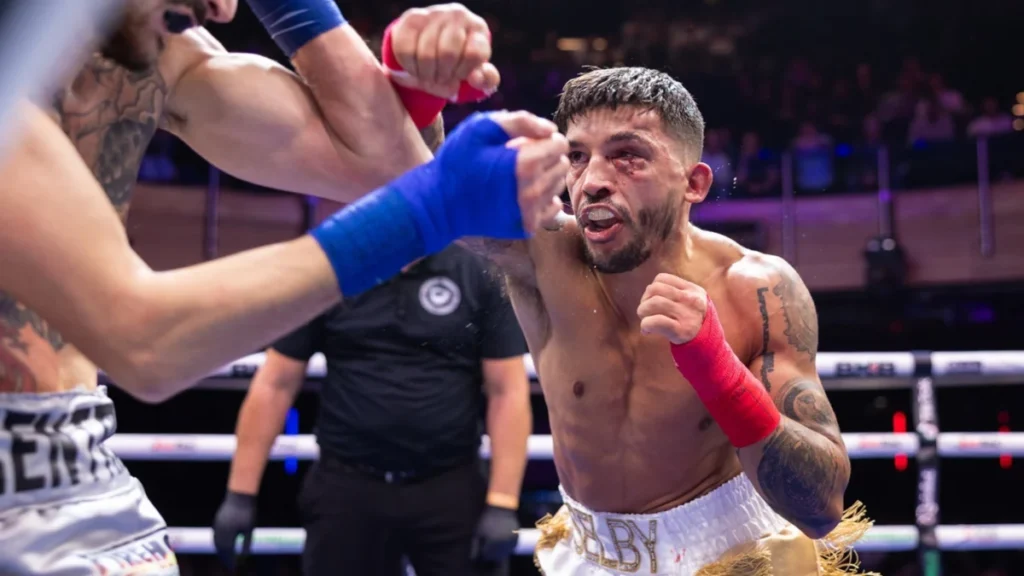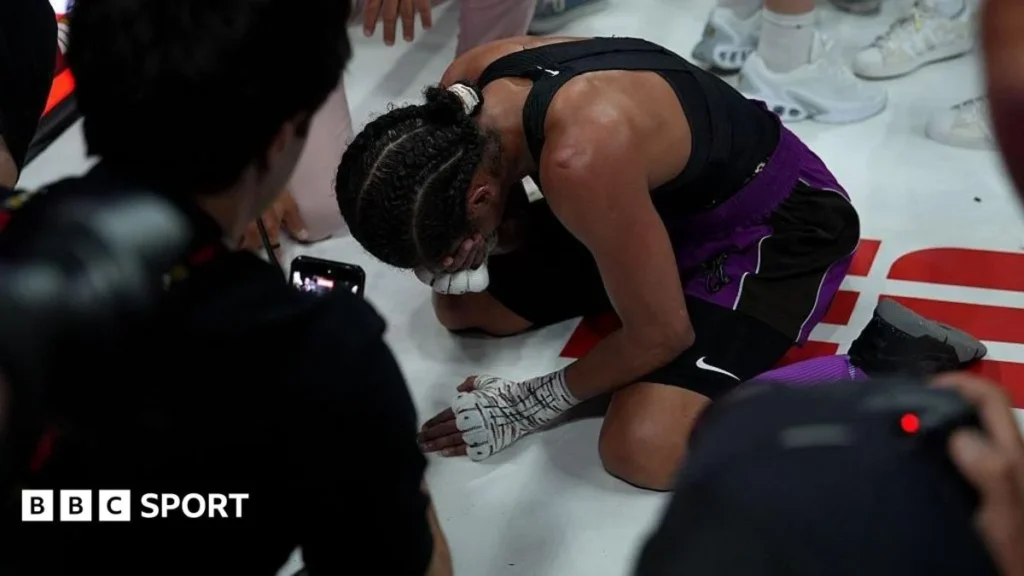
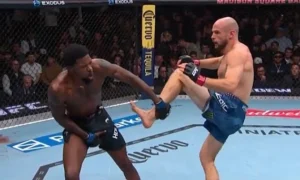

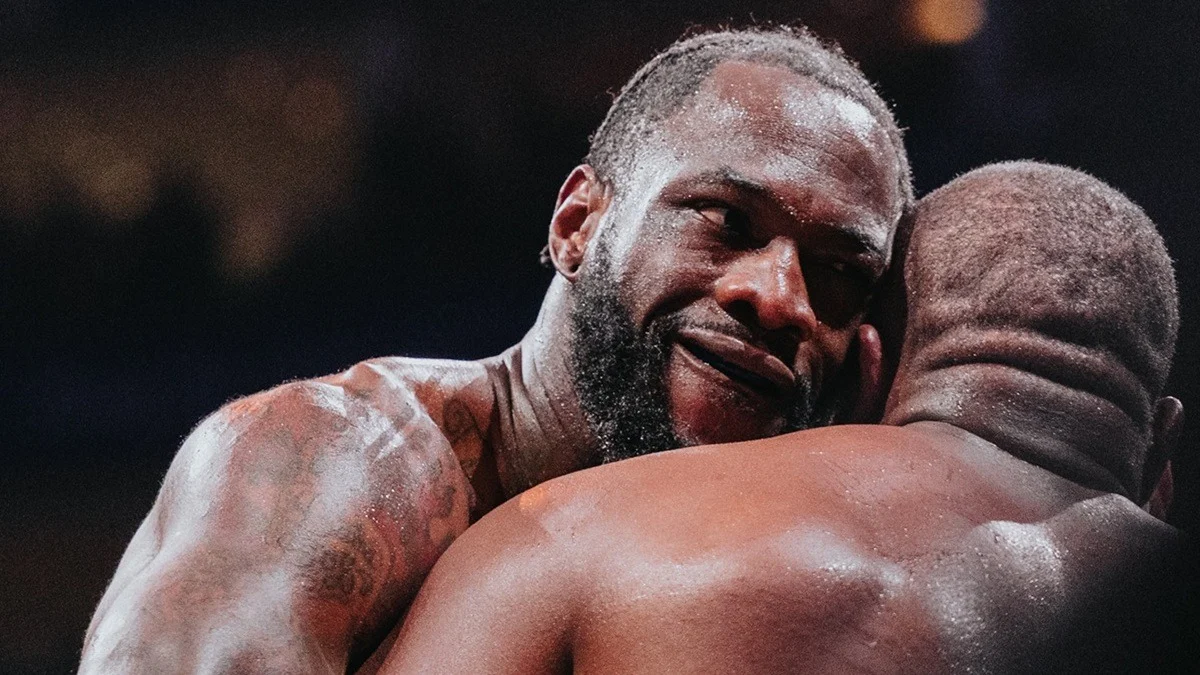
Deontay Wilder’s laborious, multi-year campaign to reclaim the World Boxing Council’s top heavyweight ranking has encountered an unscripted setback. Just as the former long-reigning champion appeared positioned to secure the division’s number-one contender spot, the official resolution of an anti-doping investigation involving British contender Lawrence Okolie has altered the top tier of the WBC hierarchy.
Following the WBC’s annual convention in Acapulco, Mexico, where the sanctioning body formally released its updated November ratings, Okolie was restored to the top spot as the number-one ranked heavyweight contender. As a consequence, Wilder, despite advancing two places in the latest framework, finds himself occupying the number-two position, leaving his push to regain the summit tantalizingly incomplete.
The development represents a frustrating turn of events for the American knockout artist. More than 1,000 days have elapsed since Wilder’s career trajectory was derailed by a surprising defeat to Joseph Parker in December 2023. That loss initiated an agonizingly slow rebuilding process. While recent momentum and strategic shifts across the heavyweight division had brought "The Bronze Bomber" back to the upper echelon of the sanctioning body’s ratings, Okolie’s unexpected reinstatement at number one has halted Wilder just one step short of his goal.
Wilder’s 1,000-Day Comeback
The road back to title contention has been long and fraught with difficulty for Wilder. Following his unanimous decision loss to Joseph Parker in late 2023, the former champion’s position within the heavyweight division deteriorated rapidly. The downward spiral worsened six months later when he suffered a brutal knockout defeat at the hands of Chinese heavyweight contender Zhilei Zhang.
That pair of setbacks dropped Wilder out of title contention, sending his rating down the sanctioning body’s hierarchy. By March 2025, Wilder had tumbled to number 12 in the WBC rankings, having previously fallen as low as number 15. For a fighter who had held the WBC heavyweight crown for over five years and defended it ten times, occupying a spot outside the top ten marked the lowest point of his professional career.
Refusing to walk away from the sport, Wilder initiated a methodical rebuilding effort inside the ring. Successive victories over Tyrrell Herndon and Derek Chisora served to stabilize his career and restore momentum. Beyond his own victories, significant administrative shifts across the broader heavyweight division began working in his favor, helping accelerate his climb back up the ladder.
By September, Wilder had surged from eighth to fourth in the WBC ratings without even fighting. That jump was precipitated in part by the temporary removal of Lawrence Okolie from the governing body’s official lists while anti-doping authorities investigated an adverse drug-testing finding. Simultaneously, movements involving other top-tier contenders cleared space at the top of the WBC ladder.
The division’s primary titles were being partitioned across different regulatory bodies. Former champions Tyson Fury and Anthony Joshua lined up to fight for the WBA heavyweight title in December, while elite contender Frank Sanchez turned his full attention toward chasing the IBF crown.
Under established WBC governance procedures, any ranked contender who actively competes for or captures a world championship sanctioned by a rival organization is removed from the WBC’s numbered rankings or shifted to an unavailable status. With Fury and Joshua bound for a WBA title fight and Sanchez placed on the WBC’s unavailable list due to his IBF pursuits, the upper echelon of the WBC rankings cleared out quickly.
These regulatory realities offered Wilder a viable path toward reclaiming the number-one spot without needing to enter the ring for another eliminator. By October, analytical projections indicated that Wilder was on the verge of completing a historic comeback from the 15th spot back to the summit. However, the unexpected resolution of Okolie’s legal and administrative status ultimately reshaped the final standings, placing the British fighter directly ahead of Wilder in the official November update.
Okolie’s Drug Test Resolution
The catalyst for the sudden shift at the top of the rankings was the conclusion of Lawrence Okolie’s anti-doping case, which had hung over the sanctioning body for several months. Okolie had previously been flagged for an adverse analytical finding originating from an out-of-competition sample collected on April 8, 2026. The test was conducted in the buildup to his scheduled heavyweight showdown against French Olympic gold medalist Tony Yoka.
Following the initial notification of the flagged sample, Okolie was removed from the active rankings while an investigation took place. The British fighter consistently asserted his innocence, contending that he had never knowingly ingested any banned substances.

The matter reached a formal conclusion on October 16, when Okolie and the WBC finalized an official adjudication agreement. In a formal statement detailing the resolution, the WBC confirmed that Okolie had presented comprehensive mitigating evidence establishing that the prohibited substance had entered his system through the actions of a third party, entirely without his knowledge, fault, or consent.
In evaluating the case, the WBC’s board and legal panel took several factors into consideration. These included Okolie’s immaculate prior drug-testing record, his full transparency throughout the investigative process, and his complete cooperation with authorities under the guidelines of the WBC Clean Boxing Program.
Although the sanctioning body did not issue a public decree stating that the original adverse analytical finding had been completely overturned, the adjudication agreement formally cleared Okolie of intentional wrongdoing or performance-enhancing negligence. With the matter officially resolved under the Clean Boxing Program protocols, the WBC restored Okolie’s active eligibility. Upon his re-entry into the division’s official standings in November, the governing body installed him immediately into the number-one contender position, dropping Wilder into second.
Wilder’s WBC Title Route
With the November rankings now finalized following the convention in Acapulco, the WBC heavyweight hierarchy presents a new picture at the top. Okolie holds the number-one ranking, Wilder stands at number two, and rising British prospect Moses Itauma occupies the number-three position.
Sitting atop the entire structure is reigning WBC heavyweight champion Agit Kabayel, who holds the green and gold belt. With Kabayel established as the champion and Wilder positioned at number two, the American remains in a favorable position to eventually land another opportunity to fight for his old title.
However, in the complex world of professional boxing governance, holding the number-two ranking—or even the number-one spot—does not automatically guarantee an immediate mandatory title shot. The WBC board retains discretionary authority regarding when mandatory defenses are ordered and how final eliminators are structured.
For Wilder, the administrative timing is undeniably frustrating. Having spent nearly 1,000 days clawing his way back from consecutive defeats, navigating a drop to the 15th spot, and meticulously working his way back up the rankings, he has reached the second spot only to find his direct path to the top occupied by a fighter returning from an administrative suspension.
Despite the setback in the boardroom, Wilder’s active campaign in the ring continues without interruption. The former champion is scheduled to face dangerous cruiserweight kingpin Jai Opetaia in a high-stakes December clash. A victory over Opetaia would further cement Wilder’s place near the top of the division and apply pressure on the sanctioning body to grant him another championship opportunity.
Nonetheless, Okolie’s sudden reinstatement demonstrates how quickly fortunes can change in boxing governance. While Wilder remains closer to a world title shot than he has been at any point since late 2023, his push to formally recapture the WBC’s top ranking has become significantly more complicated due to an anti-doping resolution in which he played no part.
About the Author
Phil Jay is the Editor-in-Chief of World Boxing News (WBN), a BWAA-acknowledged boxing news website founded in 2010. A veteran boxing reporter with 16 years of experience, he has interviewed world champions, broken international exclusives, and reported ringside from major events. His work is published worldwide through WBN and distributed on platforms including Apple News.