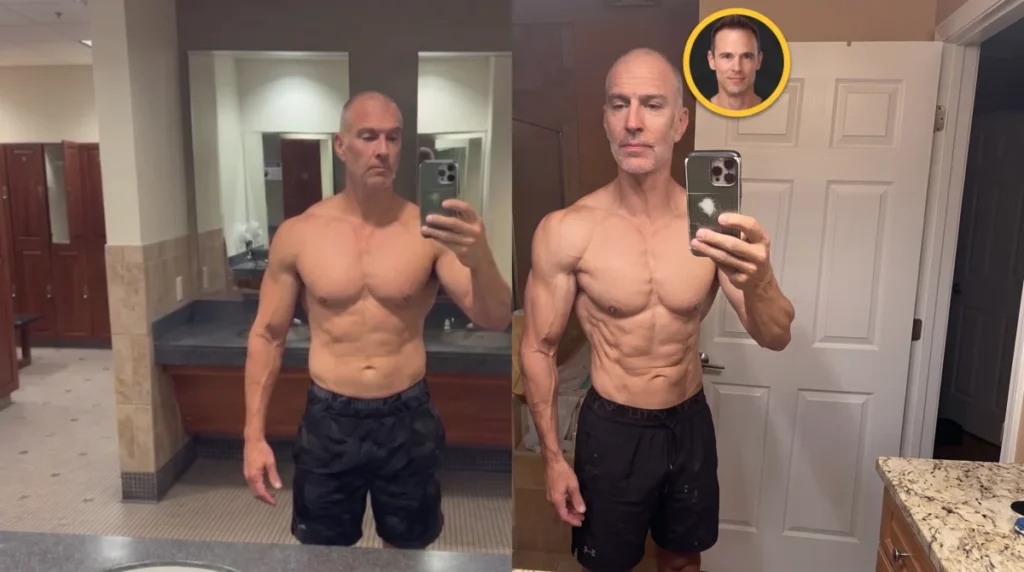


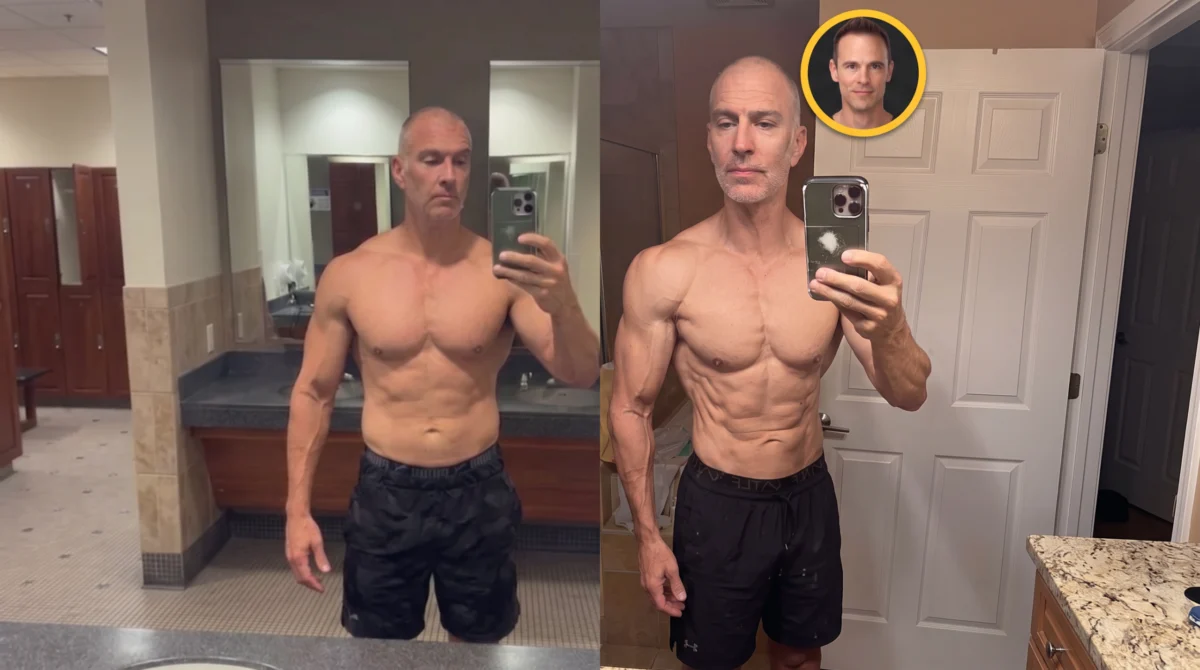
In the endless pursuit of physical transformation, few fitness frustrations are as universally shared—or as persistently baffling—as the stubborn layer of fat that clings to the lower waist and abdomen. Even after months of grueling effort, strict caloric restriction, and relentless daily cardio, many dieters find that this specific pocket of body fat simply refuses to budge. Recently, fitness expert Paolo from Pro Physique addressed this exact dilemma in a widely discussed YouTube video, tackling a question nearly every dieter eventually asks out of sheer exhaustion.
The catalyst for the discussion was the case of a dedicated viewer whose routine read like a textbook definition of commitment. The individual was training seven days a week, logging a full hour on the Stairmaster daily, and consuming a remarkably low 1,500 calories. Yet, despite operating under an immense physical workload and a severe energy deficit, the stubborn fat stayed put. For anyone who has ever pushed their body to the absolute limit only to watch the scale stall and their physique refuse to change, the situation is all too familiar.
However, Paolo’s answer to this common fitness conundrum is likely not what most people would expect. Rather than prescribing even less food or urging a more extreme cardio regimen, his primary recommendation involves doing the exact opposite: eating more, specifically by strategically increasing carbohydrate intake.
Why Lower-Waist Fat Leaves Last
To understand why traditional weight-loss efforts often fail in the final stages of leaning out, it helps to examine the underlying physiology of fat distribution. According to Paolo, genetics largely dictate the order in which fat disappears from the human body. While individual patterns vary slightly from person to person, men typically see their arms, chest, legs, and face lean out first during the early stages of a caloric deficit.
Ultimately, body fat comes off the body in a predictable pattern that is predetermined entirely by genetics. For most men, the areas that hold onto fat the longest—the final frontiers of leaning out—tend to be the lower back and the lower abdomen.
This biological reality underscores a fundamental truth of body composition that many dieters overlook: fat cannot be targeted or spot-reduced with specific exercises, no matter how many crunches or lower-abdominal movements are performed. Overall fat loss across the entire system is the only route to revealing the midsection, which means that the final stretch of a physique transformation demands immense patience and a sustainable physiological environment.
Too Much Output, Too Little Fuel
A closer examination of the viewer’s numbers highlights a glaring imbalance that Paolo frequently encounters in his coaching practice. At a body weight of 182 pounds, the individual’s daily routine of heavy training and extensive cardio was completely mismatched with a meager 1,500-calorie intake. Based on his professional experience, Paolo utilizes a personal rule of thumb that places a baseline floor near ten times a person’s body weight in calories just to sustain basic daily function and physical output.
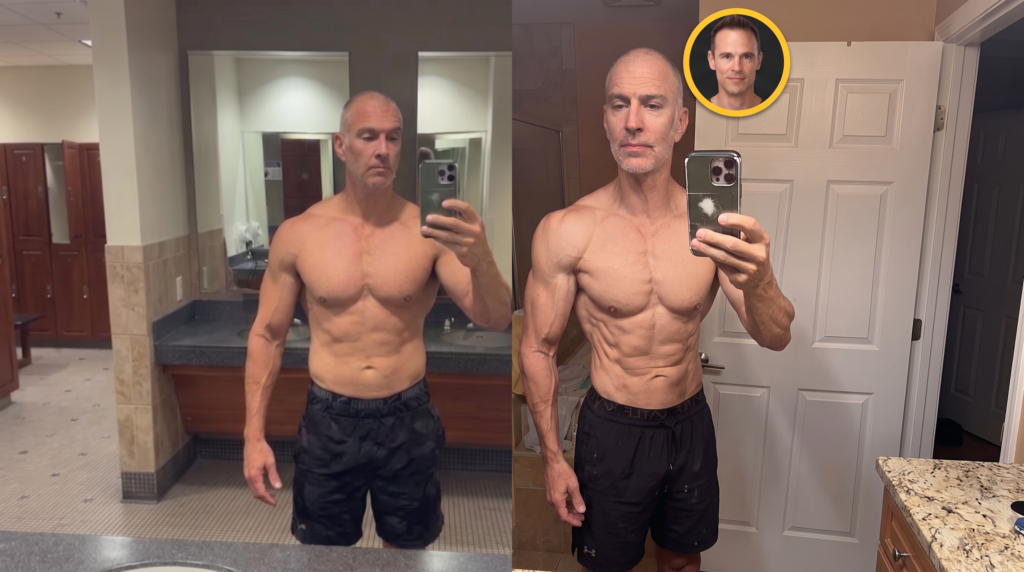
For a 182-pound individual, that baseline floor sits at approximately 1,820 calories. A person should be at ten times their body weight in calories at a bare minimum to be supporting all that they are doing. It is important to note that this multiplier is Paolo’s personal guideline derived from years of coaching, rather than a universal standard applicable to every human being, as individual caloric needs naturally vary based on age, height, baseline muscle mass, and daily activity levels.
Nevertheless, the math tells a compelling story. Pushing through seven days of rigorous training combined with an hour of daily cardio on a meager 1,500 calories leaves an unacceptably narrow margin for physiological recovery. When the body is subjected to high stress and severely restricted fuel, it enters a protective state, making further fat loss exceptionally difficult.
Paolo’s Case for Carbs
To break this frustrating cycle, Paolo’s prescription involves introducing high-carb days into the weekly routine. He is quick to point out that carbohydrates have been unfairly demonized in mainstream diet culture for years. Carbohydrates are fat-burning fuel. He has been saying this for years, maintaining firmly that carbohydrates are not the enemy of weight loss.
Strictly speaking, carbohydrates do not magically melt fat on their own. A consistent caloric deficit remains the primary driver of fat loss. However, adequate carbohydrates are essential because they power harder, more productive training sessions and facilitate better physical recovery, which in turn helps preserve that vital caloric deficit over the long term.
Paolo outlines several critical roles that carbohydrates play in a sustainable diet, emphasizing that if an individual does not have adequate energy coming in, the body will naturally start to conserve the energy it has left. Furthermore, he links extended stretches of very low carbohydrate consumption to cognitive sluggishness and mental fatigue, noting that people who remain low-carb for a long time will often experience brain fog. Of course, individual responses differ significantly from person to person; some dieters report feeling sharp and clear-headed on very low-carb regimens, while others experience a noticeable drop in mental acuity and daily energy.
The Actionable Plan
Paolo’s proposed fix for the struggling viewer is refreshingly straightforward and designed to alleviate the physiological stress of over-training and under-eating. Instead of slashing calories further, he suggests a strategic increase in daily energy intake centered entirely around macronutrient timing and composition.
One day a week, he wants the individual to bump calories up to 1,800. That represents an extra 300 calories, and he specifies that all 300 of those calories should come strictly from carbohydrates. While this weekly bump serves as an initial compromise, Paolo admits that his ideal approach would look different in an optimal setting, noting that if he were being entirely honest, he would prefer to see the individual consuming at least 1,800 calories every single day.
The anticipated payoff of this strategy is significant: better workouts, a more stable mood, and fuller-looking muscles that no longer appear depleted from chronic glycogen starvation.
Water Weight Isn’t Fat Loss
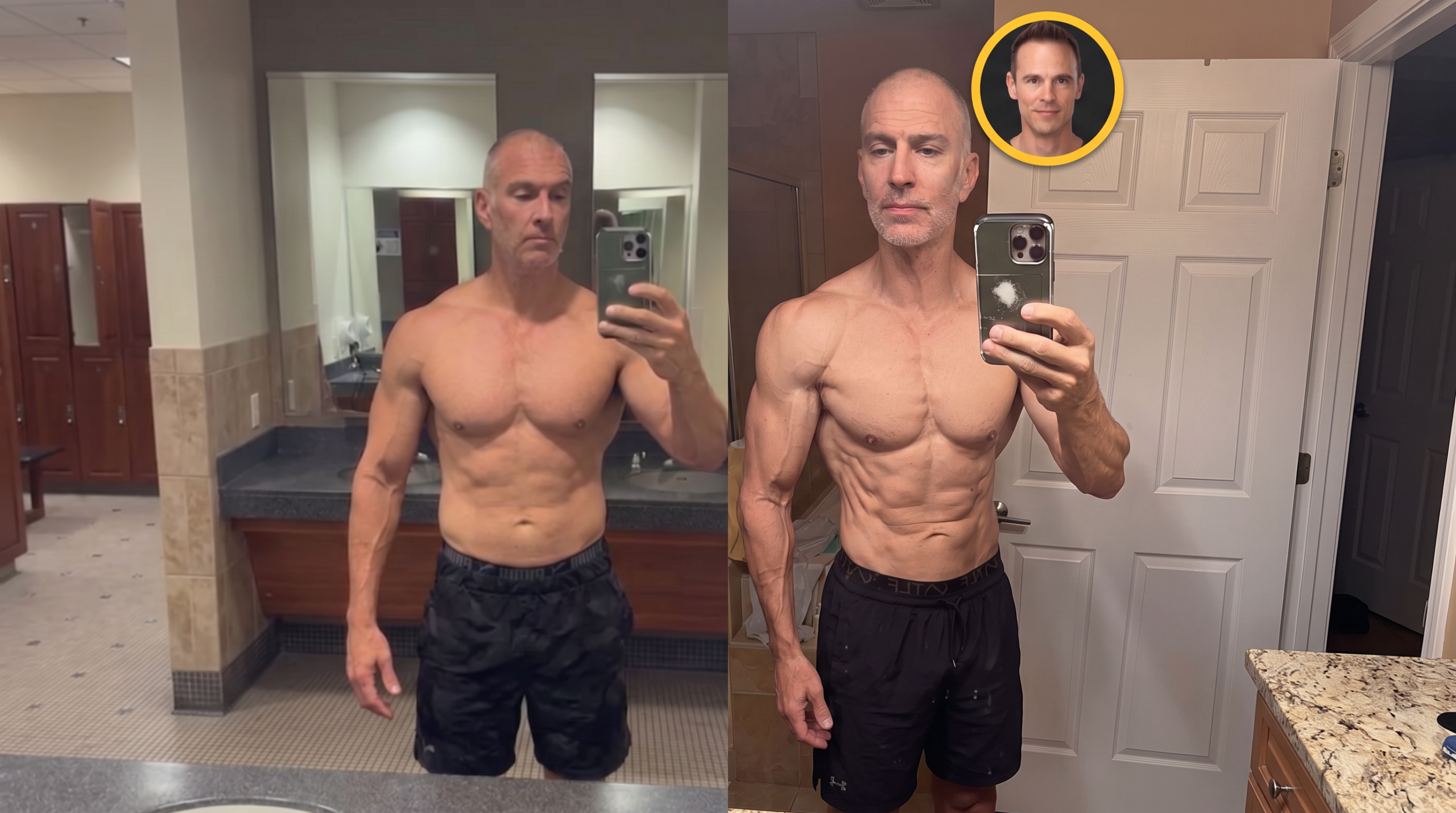
When evaluating physical progress, understanding the composition of weight fluctuation is just as important as watching the scale. In many cases, individuals embarking on a new diet report rapid early success, such as dropping eight pounds in a matter of weeks. However, it is vital to examine what was actually lost during that process.
If anyone simply pulls carbohydrates out of their diet, they are going to flatten out. Stored carbohydrates, held in the muscles as glycogen, naturally retain a significant amount of water. Slash those carbs, and the scale drops quickly while the muscles appear softer and less full. Once an individual loses that hydration, they flatten out and lose a few pounds of water weight, but that initial drop is not body fat.
Paolo adds a fair disclaimer regarding the specific viewer’s case, noting that without visual progress photos or detailed body composition metrics, it is impossible to say definitively whether water weight was the primary driver of their initial scale drop, though the physiological mechanism is exceedingly common.
Pick Carbs That Won’t Sabotage Your Macros
When implementing a higher-carbohydrate approach, food selection matters immensely. Not every carbohydrate source behaves identically in the body, and some seemingly healthy options hide unexpected pitfalls. Foods like donuts, for example, pack a deceptive amount of dietary fat alongside their carbohydrate content.
Fat is densely packed at nine calories per gram, which is more than double the caloric density of carbohydrates or protein. Therefore, if an individual is not accurately accounting for the fats hidden within their chosen carbohydrate sources, they are more than likely going to overeat and inadvertently ruin their caloric deficit.
To keep things clean and predictable, Paolo’s preferred carbohydrate options are pasta, rice, and potatoes, which are nearly pure carbohydrate sources. By choosing foods of this nature, calorie surprises from hidden fats stay minimal. Because he can obtain very high carbohydrate, very low-fat foods that are easy to transport, it makes hitting his daily macros straightforward.
While this flexible, macro-tracking approach—which can accommodate various food choices depending on individual preference—suits Paolo’s coaching style, standard nutrition guidance still heavily favors predominantly whole, minimally processed food sources for their superior fiber content and essential micronutrient profiles. Ultimately, his overarching practical tip for anyone navigating a fat-loss plateau is to carefully weigh and log everything, including trace fats, to ensure that extra carbohydrate calories do not quietly balloon and stall progress altogether.