


Over the course of human history, martial arts have undergone a profound and dramatic evolution. On one side of the spectrum stand traditional martial arts, systems with deep, historical roots defined by philosophy, strict discipline, and time-honoured techniques passed down through generations. On the other side is modern Mixed Martial Arts (MMA), a contemporary phenomenon that fuses various fighting styles with a singular focus on real-world combat efficiency and athletic versatility. The ongoing debate comparing traditional martial arts versus MMA frequently surfaces among sports analysts, trainers, and enthusiasts alike when discussing which overarching approach holds superiority. Yet, industry experts and practitioners agree that the reality is far more nuanced than a simple binary choice.
Examining this dynamic requires a closer look at the key differences dividing traditional martial arts and MMA, comparing their underlying philosophies, technical execution, and rigorous training methods. By understanding these distinctions, observers and prospective students can better comprehend how these two distinct worlds approach the art and science of combat.
The Philosophical Foundations
One of the most significant and defining distinctions between traditional martial arts and MMA lies within their core philosophical frameworks. Traditional disciplines—such as Karate, Kung Fu, and Taekwondo—frequently place an immense emphasis on personal development, moral discipline, and profound respect for others. Many of these traditional combat systems carry deep cultural, historical, or spiritual significance, seeking to instill core human values that extend far beyond the physical boundaries of combat or self-defence.
Within Karate, for instance, practitioners are expected to adhere to a strict code of ethics that incorporates principles such as honour, humility, and unwavering perseverance. Similarly, the foundational philosophy of Judo extends well beyond physical self-defence, prioritizing mutual welfare, mutual respect, and continuous personal growth. Within these systems, moral and ethical values are regarded as being just as vital to a practitioner’s development as the physical techniques themselves.
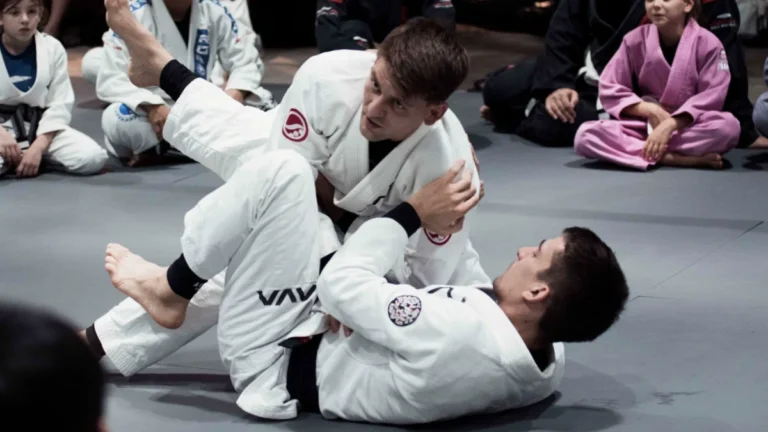
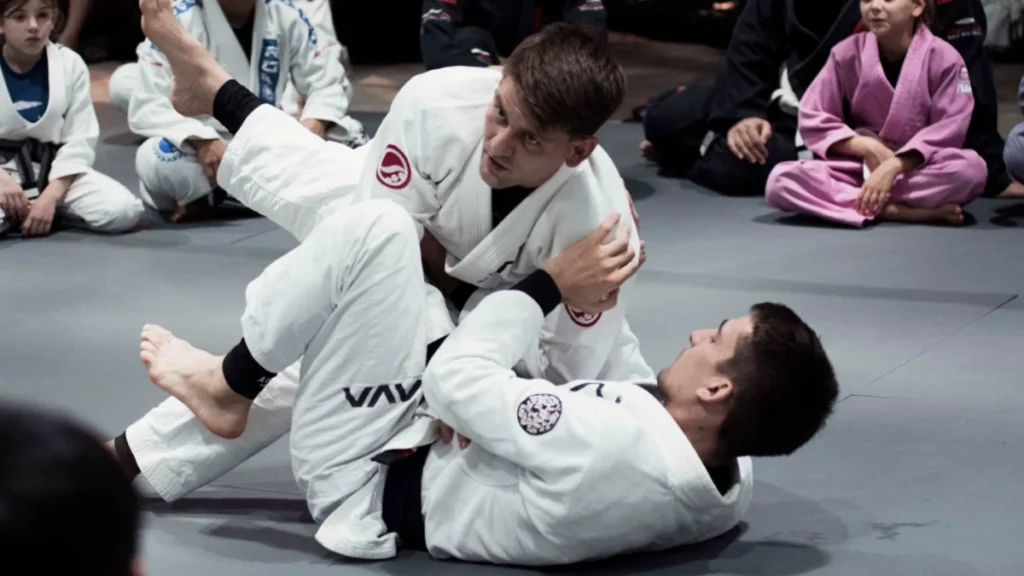
In stark contrast, MMA represents a thoroughly modern development that prioritizes real-world effectiveness, athletic adaptability, and direct competition. Fighters who train in MMA do so with the primary objective of emerging victorious in competitive athletic arenas, frequently drawing upon and blending techniques from multiple distinct disciplines, including Western boxing, Brazilian Jiu-Jitsu (BJJ), Muay Thai, and freestyle wrestling. While fundamental values such as discipline, sportsmanship, and respect remain essential within professional MMA gyms, the overarching emphasis is decidedly placed on practical combat skills, physical conditioning, and elite athleticism rather than traditional philosophical teachings.
Ultimately, choosing between a traditional martial arts path and an MMA training regimen often boils down to a personal decision regarding whether an individual seeks a holistic, culturally rich, and philosophical journey or a high-intensity sport prioritizing direct combat efficiency.
Techniques and Fighting Styles
When analyzing the technical aspects of traditional martial arts versus MMA, the divergence in fighting styles is exceptionally stark. Traditional martial arts are frequently characterized by formalized stances, choreographed set patterns known as katas, and highly prescribed technical movements. Disciplines like Karate and Taekwondo concentrate heavily on striking, featuring a heavy emphasis on rapid, precise high kicks and sharp punches. Meanwhile, traditional Kung Fu is internationally renowned for its fluid movement and diverse range of strikes, blocks, and evasive footwork, often historically inspired by the movements and traits of various animals.
Traditional martial arts tend to encourage the lifelong pursuit of perfecting individual techniques through repetition in a highly controlled environment. In the early stages of learning, live, resisting sparring is often minimized in favor of technical drills. While the resulting techniques can possess incredible aesthetic beauty and genuine effectiveness, critics frequently argue that they can become overly rigid when compared to the chaotic and dynamic nature of modern, open combat.
In the realm of MMA, the paramount virtue is versatility and rapid adaptability. Modern MMA athletes train extensively across multiple disciplines—seamlessly integrating striking, wrestling, grappling, submission holds, and intense clinch work. All of these varied skills can be deployed interchangeably depending on the precise situation unfolding inside the cage or ring. An MMA competitor must demonstrate elite proficiency in both standing striking ranges and complex ground-based combat, transitioning effortlessly from an upright kickboxing exchange to a takedown and subsequent ground submission. This renders MMA a significantly less stylized and far more unpredictable form of combat sports competition.
MMA techniques are intentionally engineered to prove practical and devastatingly effective under real-world pressure or professional athletic rules. Instead of focusing decades on mastering a single isolated style, MMA fighters are actively encouraged to cross-train and synthesize elements from an array of combat traditions. For example, a modern fighter might utilize the brutal leg kicks and elbows of Muay Thai for standing exchanges, collegiate wrestling fundamentals for securing takedowns, and Brazilian Jiu-Jitsu for finishing fights on the floor, effectively curating a custom arsenal optimized for every possible range of engagement.
Training Methods and Sparring
Another major dividing line in the ongoing discussion between traditional martial arts and MMA is the structural design of their daily training regimens. Traditional martial arts programs place a tremendous amount of weight on repetitive form execution, detailed technique drills, and katas—pre-arranged movements designed to simulate combat scenarios in a controlled vacuum. This particular style of training is exceptionally effective at building deep muscle memory, personal discipline, and rigorous technical precision, though sports scientists note it does not always translate immediately into the chaotic environment of live combat.
Furthermore, sparring within traditional martial arts circles tends to be tightly controlled and limited to light or medium contact. This is particularly true in disciplines such as traditional Karate or Olympic-style Taekwondo, where practitioners operate under strict rulesets designed specifically to mitigate the risk of injury. While this controlled approach allows students to build confidence and refine their striking accuracy, it frequently lacks the raw intensity, physical exhaustion, and complete unpredictability found in an actual physical confrontation.
Conversely, contemporary MMA training revolves heavily around high-intensity live sparring and realistic situational drills designed to replicate the grueling conditions of a professional fight as closely as possible. MMA athletes regularly engage in full-contact sparring sessions that test their physical resilience, cardiovascular conditioning, and mental toughness. The daily training schedule is physically punishing, placing just as much emphasis on strength, conditioning, and athletic endurance as it does on technical execution.
MMA competitors are also required to master seamless, real-time transitions between striking, wrestling, and submission grappling, enabling them to react with lightning speed during shifting phases of a bout. This comprehensive methodology equips fighters with a remarkably broad skill set capable of adapting to almost any physical confrontation, whether inside a regulated athletic cage or out in the wider world.
Competition and Practical Application
Examining the competitive landscapes reveals profound differences between traditional martial arts tournaments and modern MMA events. Traditional martial arts competitions are governed by rigid, specialized rulesets that heavily restrict the types of techniques permitted during a match. In tournaments hosted under traditional Karate or Taekwondo federations, competitors are awarded points based primarily on the speed, precision, and visible control of their strikes, rather than the concussive force or physical damage inflicted upon an opponent.
In sharp contrast, modern MMA competitions—exemplified by major global promotions like the Ultimate Fighting Championship (UFC)—feature wide-open rulesets that permit a vast spectrum of techniques drawn from nearly every recognized combat sport. Within the MMA cage, athletes are free to strike with fists, feet, elbows, and knees, shoot for wrestling takedowns, and execute joint locks or chokes with minimal structural restrictions. The objective extends far beyond accumulating superficial points; fighters seek to decisively finish their opponents through knockouts, technical stoppages, or forced submissions. This uncompromising, full-contact environment makes modern MMA uniquely suited for athletes eager to test their physical capabilities under high-pressure, unpredictable conditions.
Additionally, martial arts analysts frequently argue that MMA techniques offer superior utility in modern self-defence scenarios due to the overarching philosophy of practicality and adaptability. While various traditional martial arts systems retain genuine self-defence value, critics contend that certain rigid techniques may prove difficult to execute reliably during an unscripted, chaotic real-world assault.
Ultimately, the choice between pursuing traditional martial arts or modern MMA requires individuals to weigh whether they prefer a competitive environment governed by strict form, technical control, and deep-seated discipline, or one that values raw athletic versatility and real-world combat efficiency. Both paths continue to attract millions of participants worldwide, demonstrating the enduring value of physical discipline in contemporary society.