


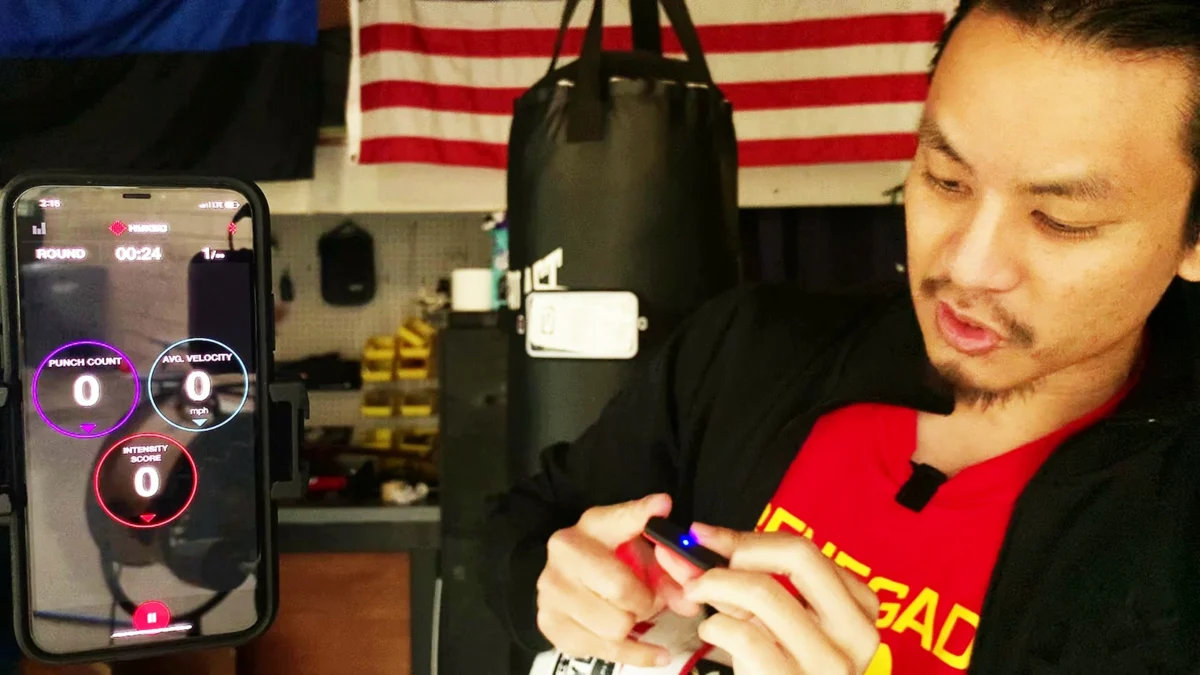
As wearable technology continues to infiltrate nearly every corner of the athletic world, combat sports have not been left behind. Over the past several years, a wave of digital punch trackers, sensors, and specialized mobile applications has flooded the market, promising to revolutionize boxing training. Marketed as the ultimate tools to increase performance, track metrics, and gamify workouts, these devices typically retail for a couple of hundred dollars. But after more than two years of real-world testing by experienced practitioners, a critical question remains: are boxing punch trackers actually worth the investment, and which systems, if any, genuinely deliver on their high-tech promises?
Understanding Boxing Punch Trackers and What They Do
In essence, boxing punch trackers function much like a fitness wristband, but specifically tailored for the hands. Just as a standard pedometer tracks the number of steps a walker takes, a boxing performance tracker is designed to tally the volume of punches thrown during a workout session.
Beyond simple counting, the capabilities of these devices vary. Some models attempt to differentiate between straight punches, such as jabs and crosses, and curved strikes like hooks and uppercuts. Other systems introduce metrics such as "G-force" or "power" ratings, though these figures often function more as generalized indicators than precise measurements. While some units attempt to combine frequency and speed into an intensity score, the underlying technology primarily revolves around basic motion detection.
Proponents argue that these devices offer distinct psychological and practical advantages. For beginners and casual fitness enthusiasts training independently, the integration of technology with a mobile phone provides a gamified experience that injects excitement into otherwise repetitive conditioning routines. For professional fighters, who are frequently willing to explore any potential edge in training, punch trackers theoretically offer a way to monitor output when a dedicated trainer is unavailable to count repetitions.
However, limitations persist. Trackers frequently fail to accurately register shorter punches, rapid combination work like a double jab, or close-range hooks and uppercuts. Despite these technical hurdles, the market has continued to expand, driven by a growing demand for home-based fitness solutions and quantified workout data.
The Flaws of Punch Trackers from a Boxer’s Perspective
Despite the polished marketing campaigns and enthusiastic social media presence surrounding many of these brands, experienced practitioners often express deep reservations regarding the actual utility of these devices for serious fighters.
The primary criticism leveled against punch trackers is that they measure quantity rather than quality. In a traditional boxing gym, a qualified coach pays close attention to crucial technical details—such as whether a fighter drops their hands, pivots the back foot on a cross, or properly elevates the elbow for a hook. Punch trackers are fundamentally incapable of assessing technique or strategic execution. They merely track frequency and speed, attempting to extrapolate complex athletic performance from limited data sets.
Furthermore, critics argue that relying on these devices can inadvertently degrade boxing technique. When users become fixated on beating a digital high score or increasing their punch count, they are frequently tempted to compromise proper form in favor of raw speed. While this approach may serve individuals whose primary goal is general cardiovascular conditioning, competitive fighters striving to refine their skills find that heavy bag punch counts rank among the least critical metrics in their overall development.
Another significant drawback lies in the application environment. Punch trackers are designed almost exclusively for heavy bag work and shadowboxing. They are virtually useless during live sparring or mittwork, where athletes must dynamically adapt to an opponent’s movements, defensive angles, and shifting paces. Additionally, the physical devices themselves can introduce friction into the training routine. Strapping sensors onto handwraps, managing Bluetooth connectivity with sweaty hands, and positioning mobile phones near heavy bags often proves cumbersome, leading many users to eventually abandon the equipment altogether.
A Comparative Review of the Industry’s Top Punch Trackers
Market offerings vary significantly in design, user experience, and pricing structures. A detailed evaluation of the leading options highlights the distinct approaches taken by different manufacturers.
PunchLab
PunchLab approaches the concept from a unique angle, functioning primarily as a mobile application paired with a mounting belt rather than a dedicated hand sensor. Instead of purchasing specialized trackers to strap onto the hands, users secure their mobile phone directly to the heavy bag using an adjustable belt. The application utilizes the phone’s internal sensors to count impacts and provides real-time visual feedback on a screen mounted right at eye level.
From a practical standpoint, this setup eliminates the hassle of charging and synchronizing separate hand trackers. Furthermore, the PunchLab application stands out by incorporating workouts designed by authentic boxing coaches who emphasize purist technique. While the mounting system restricts usage primarily to the heavy bag, the combination of instant visual feedback and structured coaching makes it a preferred option for users seeking straightforward interaction without unnecessary hardware.
FightCamp (Formerly Hykso)
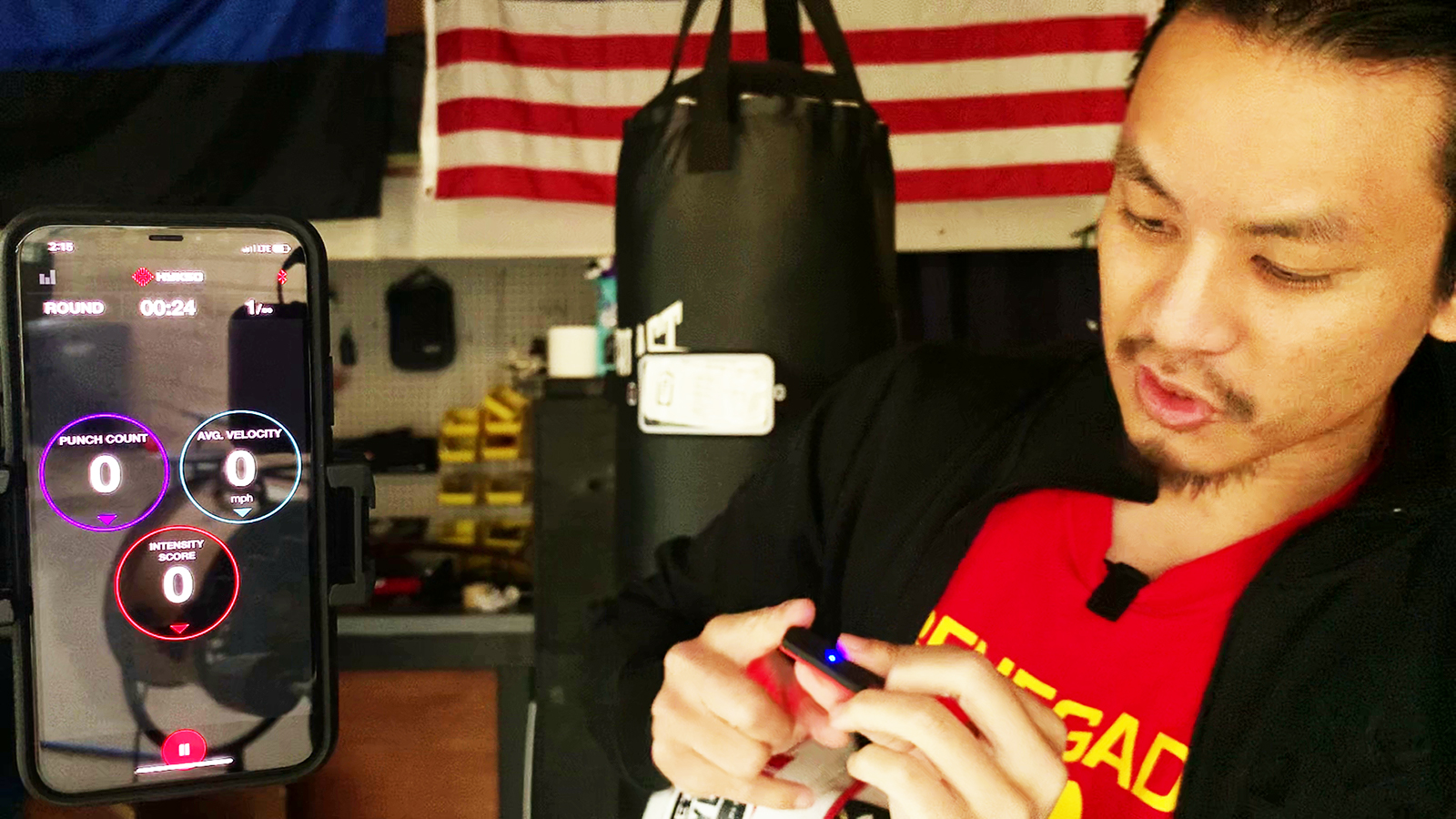
FightCamp represents one of the most established and recognizable brands in the performance tracking space. Originating as Hykso, the company initially focused on slim, color-coded hand sensors designed primarily to track straight punch volume and speed. Following its rebranding to FightCamp, the ecosystem expanded significantly into a comprehensive at-home boxing platform featuring polished application interfaces, structured workout videos, and leaderboards.
The physical hardware remains straightforward, utilizing dedicated left and right sensors that connect via a simple double-tap. While the original Hykso app offered limited functionality beyond basic punch counts, the modern FightCamp application delivers a high-end user experience with professional instruction and integrated music selection. Despite its sleek presentation and strong market presence, the system remains relatively specialized for straight punch output and requires a substantial financial commitment for both hardware and ongoing subscription fees.
Corner
Corner positions itself at the intersection of home fitness and combat sports, offering lightweight hand trackers accompanied by a lifestyle-oriented mobile application. The application features a wide array of virtual fitness classes, ranging from boxing conditioning to general mobility and yoga routines.
The primary strength of the Corner system lies in the comfort and design of its hand straps, along with an accessible price point for users testing the waters of wearable technology. However, because the application focuses heavily on general home fitness classes, the actual tracking metrics take a back seat. For diehard boxers looking specifically for deep technical analysis of their striking, the platform can occasionally feel more like a general fitness app than a dedicated combat sports tool.
Everlast PIQ
Developed as a collaboration between established sporting goods manufacturer Everlast and technology firm PIQ, this system offers some of the most advanced sensor capabilities on the market. The hardware is physically larger than competitors like Hykso or Corner, housing more complex internal components capable of capturing a wider array of metrics with high precision.
Despite its technical sophistication, the Everlast PIQ system faces notable challenges. Users have frequently reported frustrating connectivity issues and inadequate battery life, which can hinder the user experience. Additionally, while the mobile application provides extensive statistical breakdowns and sports-game-style scoreboards, it falls short in offering a robust library of updated training videos or guided routines, leaving users with plenty of data but limited long-term engagement options.
StrikeTec and Generic Alternatives
StrikeTec entered the market aiming to provide comprehensive sensor data, but faced significant development hurdles. Notably, the brand initially released applications exclusively for Android platforms before establishing a strong iOS presence, alienating a large segment of smartphone users. Furthermore, technical setbacks and inconsistent product availability have stalled the brand’s momentum within the industry.
Meanwhile, a variety of generic, unbranded punch trackers have appeared on e-commerce platforms at lower price points. Consumer reviews for these generic devices consistently point to poor build quality, inaccurate sensor readings, and unreliable application support, leading industry observers to advise caution against investing in unverified hardware.
The Future of Boxing Technology
While current iterations of punch trackers offer varying degrees of utility for general fitness enthusiasts and heavy bag hobbyists, the technology still has considerable ground to cover before meeting the rigorous demands of serious fighters. Future advancements will likely depend on bridging the gap between raw quantitative data and qualitative technical instruction, transforming wearable sensors from simple digital counters into genuinely effective training partners.