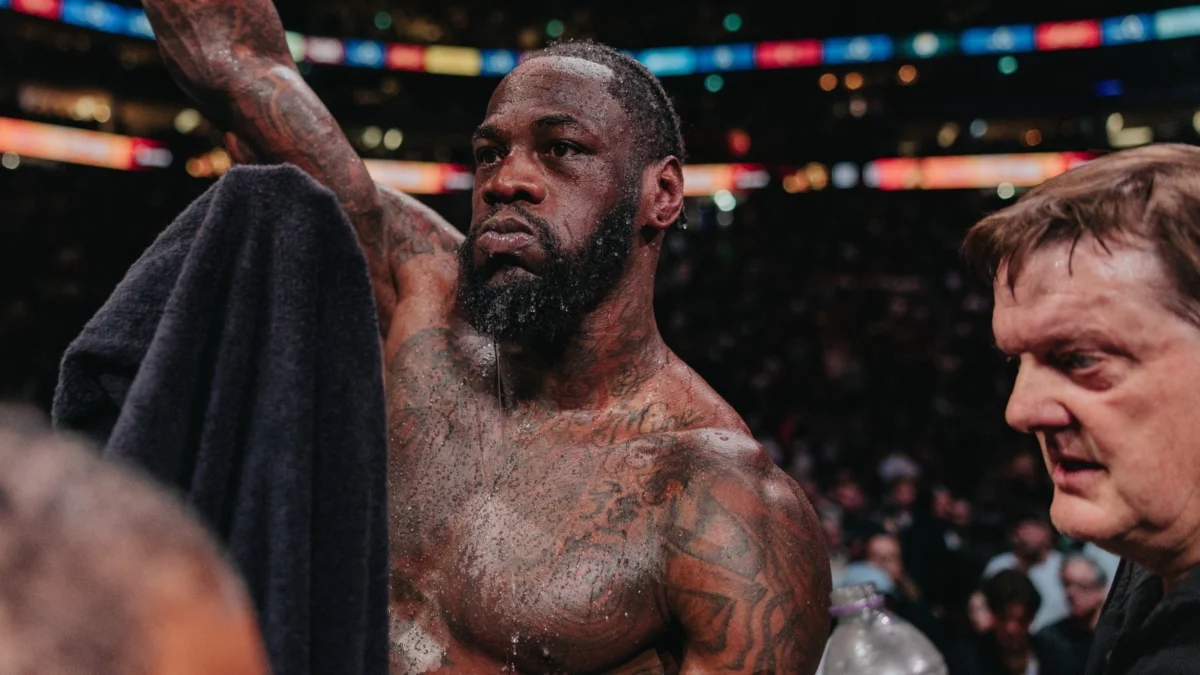
Deontay Wilder finds himself in a truly remarkable position as preparations unfold for a blockbuster boxing event. The former WBC heavyweight champion, once the most feared puncher in the sport, is reportedly facing the prospect of entering a bout as a significant underdog against cruiserweight standout Jai Opetaia. The proposed matchup is being discussed for the anticipated undercard of the mega-fight between Tyson Fury and Anthony Joshua, a setting that would place Wilder on one of the biggest stages in modern boxing, albeit under starkly different circumstances than the peak years of his illustrious career.
Wilder’s recent trajectory in the ring leaves a great deal to be desired for someone who once commanded the heavyweight division with a terrifying title defense streak. That era, defined by devastating right hands that sent shockwaves and fear down the spines of opponents across the globe, now feels like a distant memory. A swift first-round knockout victory over Robert Helenius remains the solitary high point of Wilder’s career over the last seven years, and that impressive performance now sits four years in the past.
Subsequent setbacks have heavily eroded the aura of invincibility that once accompanied the American knockout artist. Clear defeats to Joseph Parker and Zhilei Zhang, followed by a far-from-convincing split-decision victory over a tough-as-nails Derek Chisora, have done little to restore the psychological edge Wilder once held over the heavyweight landscape. His attacks have appeared visibly slower, and the explosive timing that defined his championship reign has occasionally deserted him when he needed it most.
Opposite him stands Jai Opetaia, a fighter moving in completely the opposite direction. Operating very much like pound-for-pound star Oleksandr Usyk did before his own transition to heavyweight dominance, the undefeated Australian has been utterly on fire within the cruiserweight division. The former IBF champion has systematically dismantled every challenger put before him, showcasing elite technical skills, relentless work rate, and a fearless attitude. Now, Opetaia openly fancies his chances against boxing’s bigger hitters, eager to prove his elite pedigree on an even grander scale.
That supreme confidence makes the tough Australian a heavy favorite in the eyes of many observers. Analysts suggest Opetaia is well-equipped to navigate Wilder’s now slower attacks, utilizing superior footwork, speed, and volume to secure at least a comprehensive points victory, if not deliver a devastating knockout of his own. The contrast in their recent momentum could hardly be more pronounced. Wilder has effectively been running cold for the better part of seven years, while Opetaia is red-hot, undefeated, and operating resolutely at the absolute peak of his athletic powers.
Wilder vs. Opetaia
The proposed showdown has been actively discussed as a major feature of the supporting cast for the Fury vs. Joshua card, tentatively targeted for December 11. Wilder’s longtime manager, Shelly Finkel, has reportedly confirmed that an initial offer has been formally accepted by the American’s team. While the two sides have reportedly reached an agreement in principle regarding the matchup, official contracts have yet to be signed and finalized.
Industry figures have also chimed in on the unfolding negotiations. Notably, prominent combat sports promoter Dana White acknowledged ongoing discussions surrounding the contest. For Opetaia, the bout represents a calculated and lucrative step up in weight, allowing him to officially test the heavyweight waters after firmly establishing himself as one of the most dangerous and avoided fighters operating at the 200-pound limit.
Interestingly, Wilder has never been a massive heavyweight himself. Throughout his professional career, the Alabama native has consistently weighed in well below many of his gargantuan contemporaries. In fact, Wilder spoke candidly back in 2018 about the distinct possibility of dropping down to the cruiserweight division entirely. At the time, he expressed a belief that he could successfully conquer and take over the 200-pound weight class while simultaneously retaining his status as a heavyweight champion.
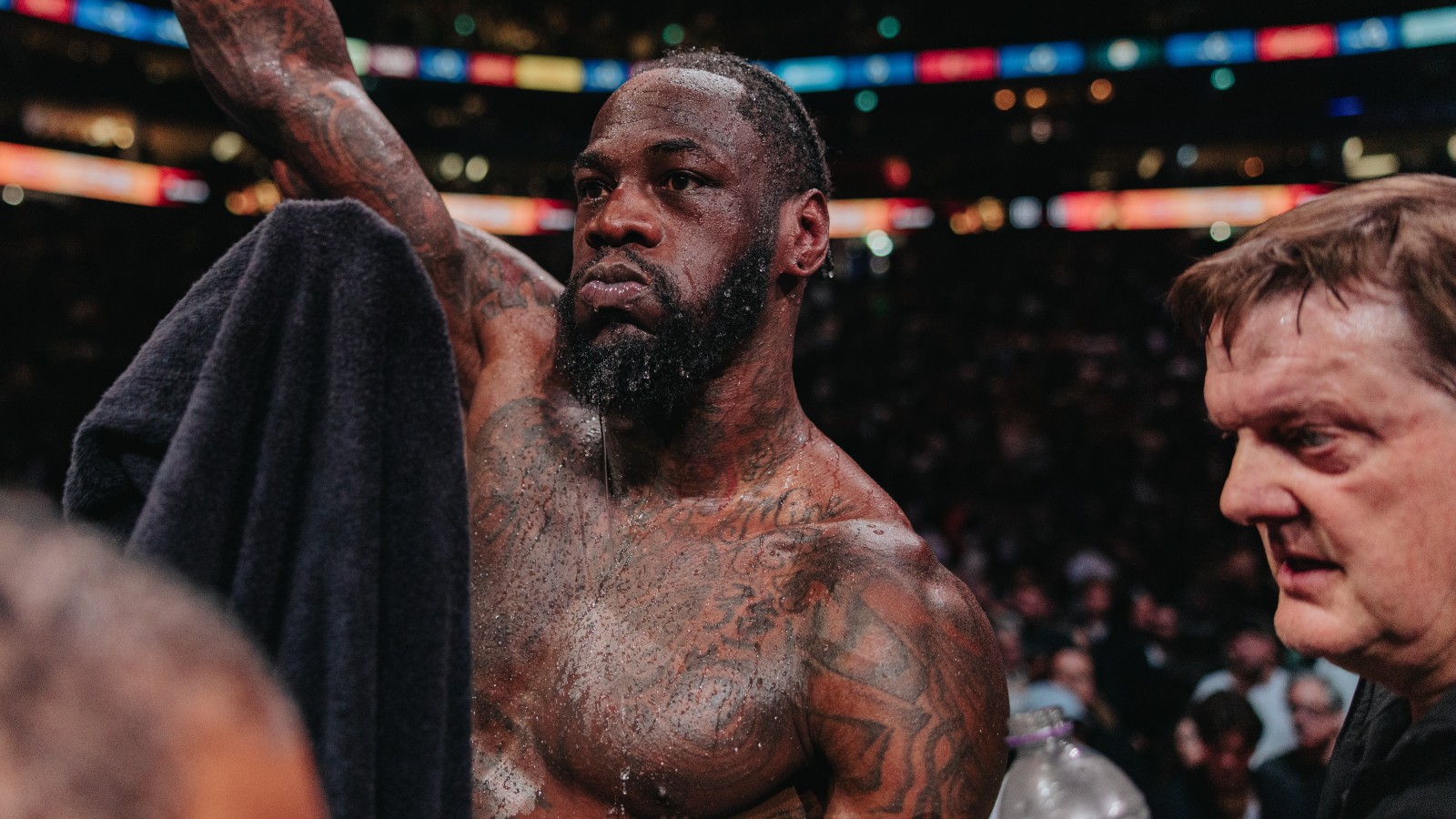
Given his natural frame and historical weight fluctuations, it remains entirely conceivable that if Wilder dedicated several rigorous months to a specialized conditioning and dietary program, he could successfully make the 200-pound cruiserweight limit himself. Instead, he finds himself preparing to welcome an elite cruiserweight scaling up to challenge him on boxing’s grandest stage.
The Usyk Opportunity
When analyzing the strategic positioning of this potential bout as a high-profile co-main event beneath the Fury and Joshua clash, observers are left to wonder why Wilder did not ultimately pursue a matchup against Oleksandr Usyk. Securing a fight against the unified heavyweight king would have provided Wilder with one final, definitive shot at ultimate glory. Facing Usyk would have given the American a chance to dethrone the very man who successfully conquered the heavyweight division after previously dominating the cruiserweight ranks himself.
Instead, Wilder could be stepping into the ring against another unbeaten, highly dangerous 200-pound operator, but without the historical heavyweight rewards and undisputed stakes attached. This dynamic highlights the peculiar predicament in which Wilder now finds himself. If Wilder manages to summon a vintage performance and land a fight-ending bomb on Opetaia through sheer determination, industry consensus suggests he will receive little historic credit for defeating a natural cruiserweight.
That is the strange reality of the position Wilder occupies. Once celebrated as one of the most feared and destructive heavyweight champions in recent boxing memory, even a spectacular knockout victory over Opetaia may no longer be enough to completely restore his tarnished reputation or recapture his former standing in the division.
The Fury-Joshua Long Game
Despite the lack of conventional heavyweight upside in beating a cruiserweight, there is a clear strategic calculation behind Wilder’s decision to accept the risk. By securing a victory on the undercard of the year’s biggest event, Wilder would likely insert himself firmly back into the mix to face the ultimate winner of the main event between Tyson Fury and Anthony Joshua.
Wilder is already intimately familiar with the championship landscape, having famously engaged in a historic three-fight war with Fury, while also spending years being perpetually linked to a mega-fight showdown against Joshua. Emerging victorious against a red-hot talent like Opetaia on the exact same card could immediately thrust him back into contention for another immensely lucrative heavyweight title opportunity.
That potential reward likely explains why the veteran American is more than prepared to accept the severe risks associated with facing a younger, faster, and undefeated opponent. However, the stakes could not possibly be higher. If Wilder goes down badly—or suffers a definitive defeat—against a fighter moving up from a division below his own, any remaining hope of securing another major heavyweight championship opportunity could vanish permanently alongside him.