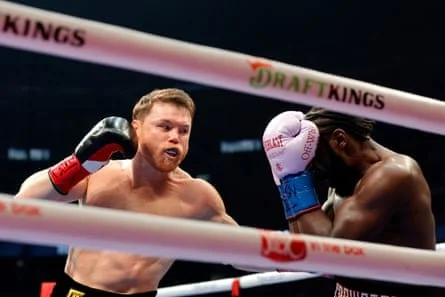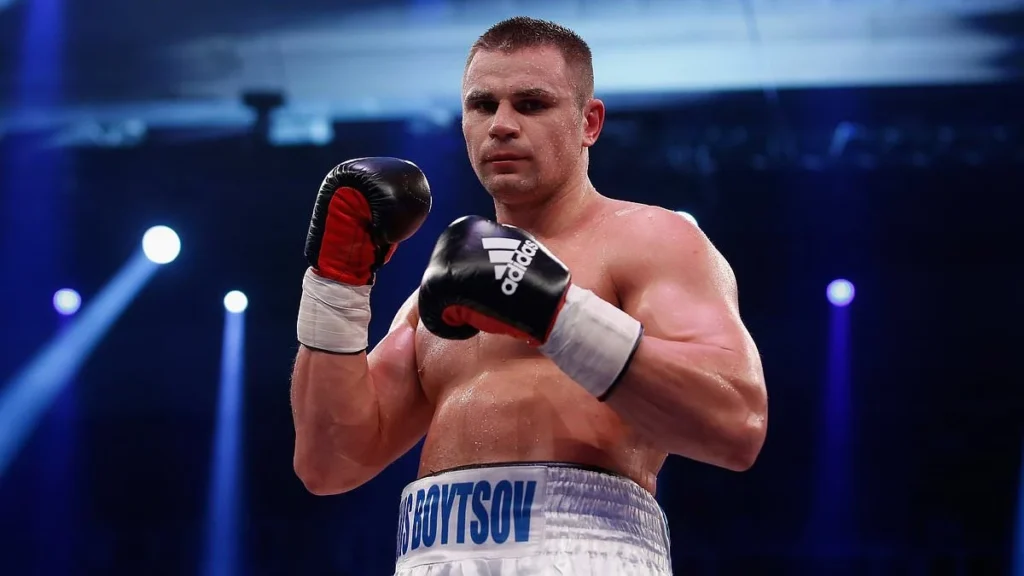


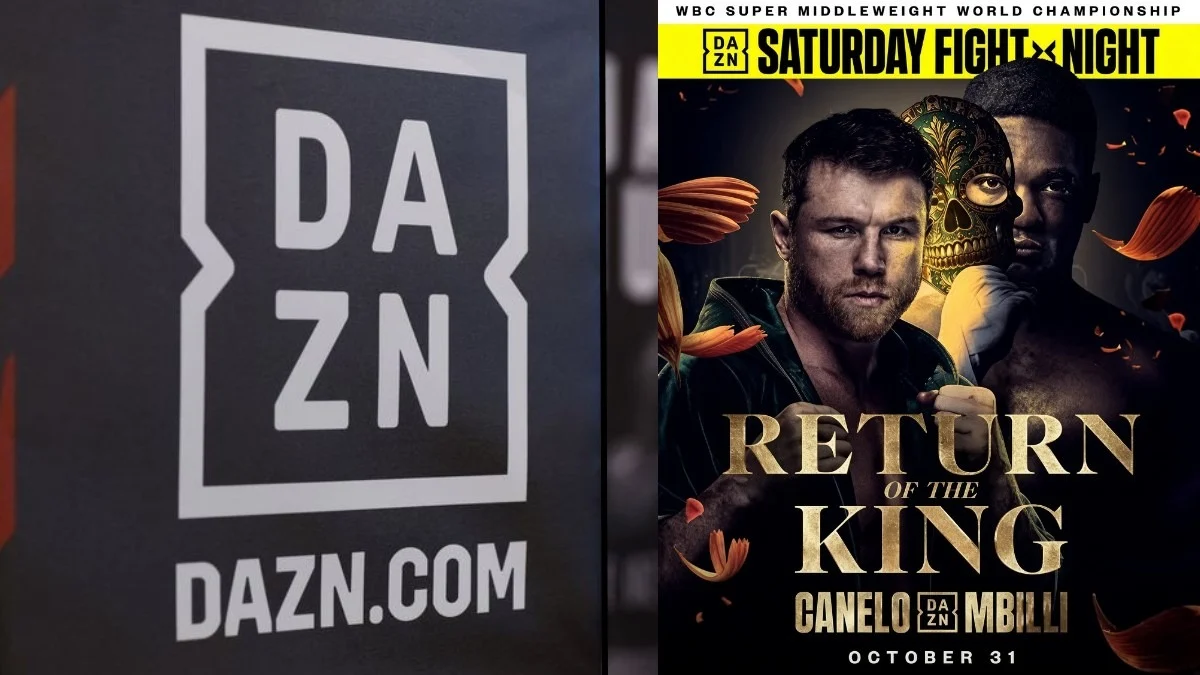
Paying boxing fans and media personnel expressed intense frustration over DAZN’s broadcast coverage during the high-profile card featuring Canelo Alvarez vs. Christian Mbilli. Viewers taking to social media and industry experts alike cited lengthy broadcast delays, excessive studio discussions, and a bloated presentation structure as primary reasons why the streaming platform requires a complete operational overhaul.
Rather than delivering a fast-paced, action-packed fight night, the broadcast was widely criticized for feeling like an extended studio podcast. Subscribers who paid to watch elite in-ring action found themselves repeatedly subjected to drawn-out analyst discussions, panel breakdowns, and persistent commentary intermissions that repeatedly stalled the momentum of the card.
The mounting outrage reached a tipping point during Saturday’s event, as viewers openly questioned why the broadcast allocated so much screen time to presenters and analysts sitting in studio chairs instead of showcasing the fighters inside the ring. The pacing problems quickly generated widespread complaints online, with casual fans and hardcore boxing enthusiasts united in their criticism of the viewing experience.
One frustrated fan voiced a desperate plea directly to the network, stating: "DAZN, we are all begging you please don’t make us sit through another 2 hour frickin podcast of yappery before the Canelo fight starts PLEASE. it’s so hard to get people into live boxing cos of this nonsense."
Another subscriber echoed similar sentiments, challenging both the length of the studio commentary and the credentials of the analysts on screen. "Is this a boxing card or a Mannix and Scott podcast? Enough overanalyzing. Scott’s a terrible coach, so why trust his analysis? More fights, less talking. Paying customers deserve better," the viewer complained.
The ongoing issues with broadcast pacing were not merely highlighted by casual viewers. Prominent voices within the boxing media also called out the network for its inability to maintain a proper timeline throughout the pay-per-view presentation.
Former World Boxing News lead writer Dan Rafael offered a detailed, step-by-step critique of the event’s schedule, noting that the delays began almost immediately after the broadcast went live.
"As usual, the pacing on this PPV is awful. They walked the opener with Tsutsumi about 40 minutes later than advertised. The FIRST fight! Podcasts after that stoppage. And now with Espinoza early KO get ready for another long podcast before the co-feature. Very frustrating," Rafael posted on Facebook.
Rafael’s early criticism underscored a broader systemic issue with the production. The dissatisfaction surrounding the running order had already fully materialized during the opening undercard bouts, well before Canelo Alvarez made his formal ring walk for the main event.
DAZN Fight Delays
As the event progressed, media members pointed to specific behind-the-scenes factors that appeared to compound the delays. Veteran boxing journalist Steve Kim raised serious concerns regarding the running order, suggesting that the broadcast schedule was deliberately being held up to accommodate high-profile figures arriving at the venue.
"So this card is being delayed for Turki to show up. Yeah, this undercard is so bad he doesn’t even want to be there," Kim posted on X.
The cumulative effect of these schedule adjustments was felt heavily by the audience at home. Multiple viewers reported that the main event featuring Canelo Alvarez walked to the ring over an hour later than originally advertised by the network. Other fans mocked the production choices directly, pointing out that DAZN went so far as to bring a physical couch onto the set to accommodate the extended, multi-hour discussions between scheduled bouts.
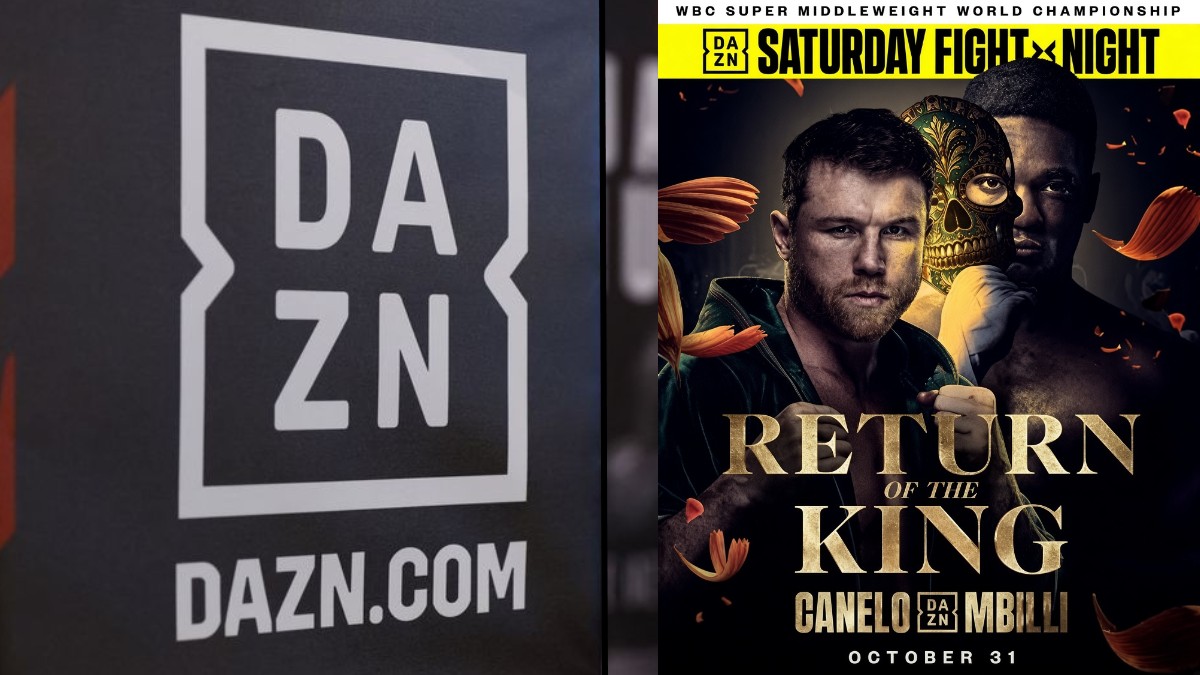
The overwhelming negative reaction points to an ongoing, fundamental issue for the broadcaster that extends beyond a single fight card. Viewers tune in to watch live boxing matches, yet they are increasingly expressing frustration with a broadcast format that prioritizes commentary panels, set pieces, and long studio segments over live ring activity.
WBN’s Take
For those watching the event remotely, the viewing experience proved challenging to sit through. It has become an increasingly common practice for World Boxing News (WBN) to simply place the non-fight portions of DAZN broadcasts on mute when covering events outside the venue.
There were clear reasons for covering the event remotely rather than traveling on-site. First, there was no justification for traveling to Riyadh with lingering missile threats hanging over the region surrounding the event. Second, from a purely broadcast perspective, very little of what takes place on-site during these productions demands imperative, live viewing outside of the actual fighting inside the ropes.
Having reported ringside from major fight cards in Las Vegas on numerous occasions, WBN notes that the atmosphere in the world’s fight capital remains unrivaled and electric. New York City serves as a close second, offering a classic, high-energy environment for big fight nights.
By contrast, the comparatively muted arena atmosphere in Saudi Arabia holds far less appeal for ringside reporting, particularly when the alternative requires navigating hours of DAZN studio filler from a distance.
Furthermore, the broadcast coverage rarely delivers the feeling of top-tier, expert analysis or commentary. This issue is only compounded by the vast amounts of downtime that broadcast executives and directors are forced to fill between bouts when schedules run late. Taken as a whole, the broader Saudi Arabia fight-night scenario continues to carry a tone-deaf feel for the traditional boxing audience.
DAZN Changes
The repeated broadcast issues suggest that those managing DAZN have either failed to recognize how frustrating the viewing experience has become for consumers, or they lack the willingness to execute the necessary operational changes to keep boxing fans properly engaged.
The current presentation model gives the impression that paying subscribers are treated as an afterthought. There appears to be a distinct lack of leadership at the top willing to conduct a critical assessment of the product, evaluate what elements are failing to connect with the audience, and make the firm cuts required to streamline the overall broadcast.
If executive leadership were actively auditing the fan experience, much of the repetitive studio chatter, delayed ring walks, and prolonged intermissions witnessed week in and week out would have been removed from the platform’s fight-night template long ago.
While DAZN has made massive financial investments into securing rights and building its profile within international boxing, capital investment alone does not guarantee a successful or engaging broadcast product. The streaming service urgently requires greater production discipline, significantly faster turnarounds between bouts, and a major reduction in non-essential studio talking points.
Ultimately, paying consumers purchase subscriptions and pay-per-view events to watch live boxing action, not to sit through hours of panel commentary and extended talk-show segments about boxing. Until those in charge of DAZN address this core disconnect and restructure their fight-night broadcasts around the action in the ring, public complaints from fans and journalists are unlikely to subside.
About the Author
Phil Jay is the Editor-in-Chief of World Boxing News (WBN), a BWAA-acknowledged boxing news website founded in 2010. A veteran boxing reporter with 16 years of experience, he has interviewed world champions, broken international exclusives, and reported ringside from major events. His work is published worldwide through WBN and distributed on platforms including Apple News.