

When stepping into the squared circle, a fighter’s equipment can mean the difference between victory and defeat. While boxing gloves frequently capture the spotlight as the most critical piece of gear, seasoned fighters and coaches widely regard boxing shoes as an equally vital, yet often overlooked, foundation. Recent comprehensive assessments comparing more than 16 boxing shoe brands used by amateurs, professionals, and champions highlight how proper footwear dictates a fighter’s mobility, stability, and punching power.
The evaluation underscores that the best boxing shoes feel lightweight and comfortable, functioning almost like custom-made gloves for the feet to create a seamless connection with the canvas. Conversely, poorly designed footwear introduces foreign materials beneath the feet, featuring
awkward lumps and rigid curves that fail to mold naturally. Quality, comfort, security, and ease of use vary significantly across the market, leaving beginners and veterans alike to navigate a complex landscape of brands and models.
The Overlooked Importance of Proper Boxing Footwear
Beginners frequently exhibit resistance when it comes to purchasing dedicated boxing shoes. Driven by a reluctance to spend additional money and a failure to recognize immediate performance benefits, newcomers often default to general athletic footwear designed for running, basketball, or general training. However, industry experts strongly advise against using non-boxing athletic shoes.
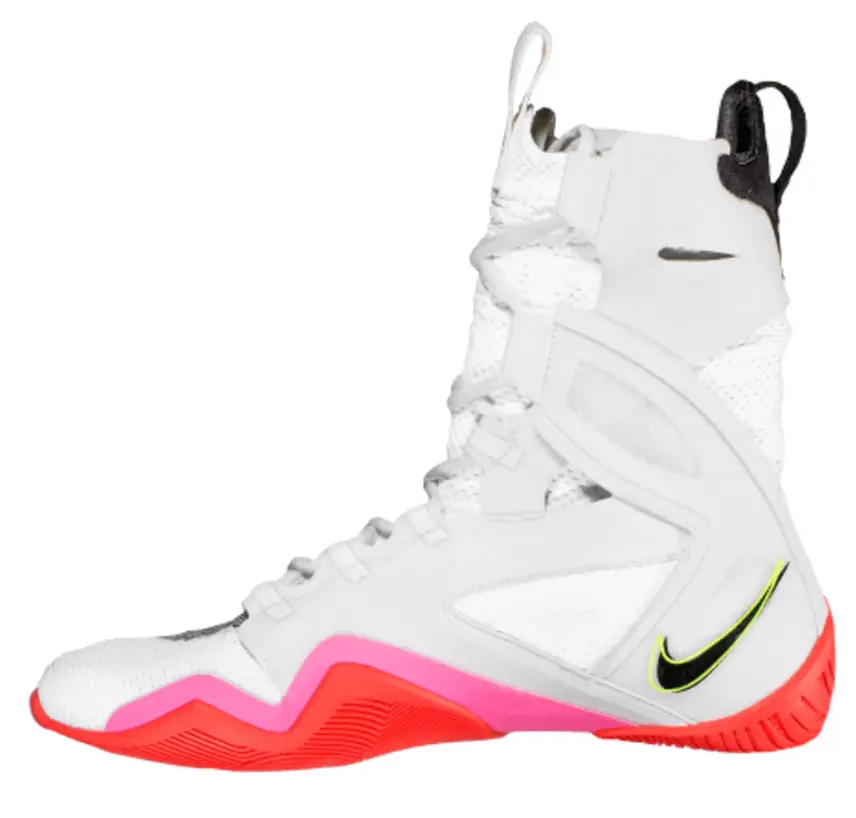
Transitioning into a genuine pair of boxing shoes serves as one of the most immediate and impactful ways to elevate a beginner’s performance. Real boxing shoes directly improve comfort, mobility, speed, and power by accommodating natural boxing stances and dynamic footwork patterns. Without them, fighters miss out on the agile, light-footed support required to execute crisp hooks and crosses while maintaining a solid foundation.
Critical Features to Consider When Buying Boxing Shoes
Selecting the right pair involves evaluating several distinct technical characteristics that influence performance inside the ring.

Grip and Pivot
The ability to grip the ground securely without sliding during power transfers—while simultaneously maintaining the freedom to pivot for offensive maneuvers—stands out as the most distinctive feature of boxing shoes. Non-boxing shoes often falter in this regard, proving either too slippery or excessively sticky, which can cause awkward movements or accidental trips. Fighters generally balance between maximum stability and smooth pivot capabilities according to personal preference and fighting style.
Sole Construction, Thickness, and Texture
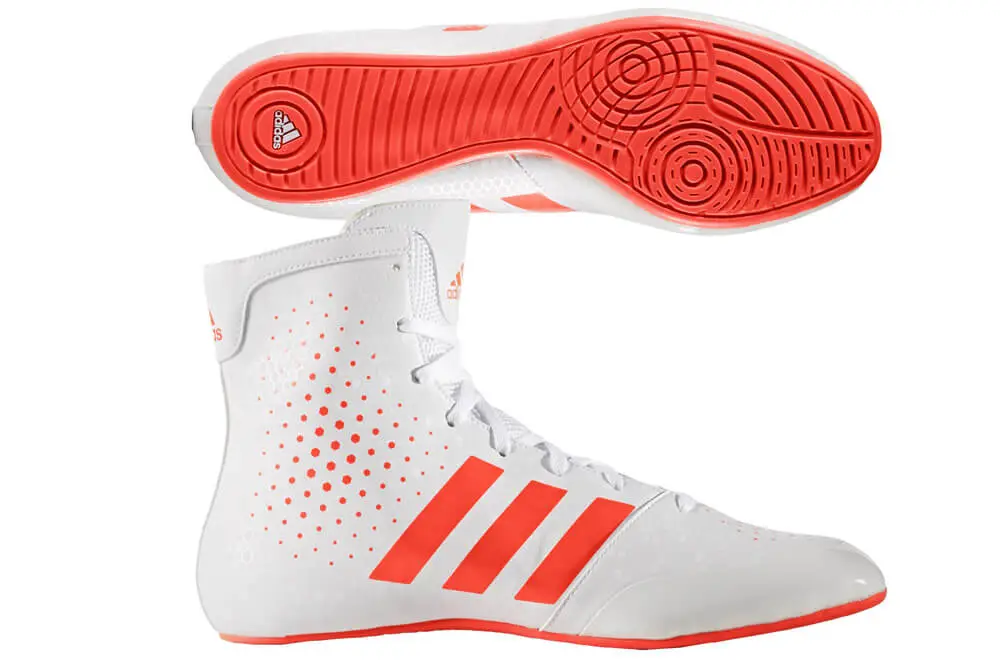
The structural integrity of the sole heavily influences balance and power generation. Insoles must provide comfortable and balanced support without forcing the foot into unnatural angles. Outsole thickness is another major consideration; thinner soles offer a heightened feel of the ground and increased agility, whereas thicker soles deliver a solid, powerful surface for driving off the canvas. Furthermore, the external texture and the construction around the toe and heel areas determine durability and grip during deep pivots.
Weight and Thickness
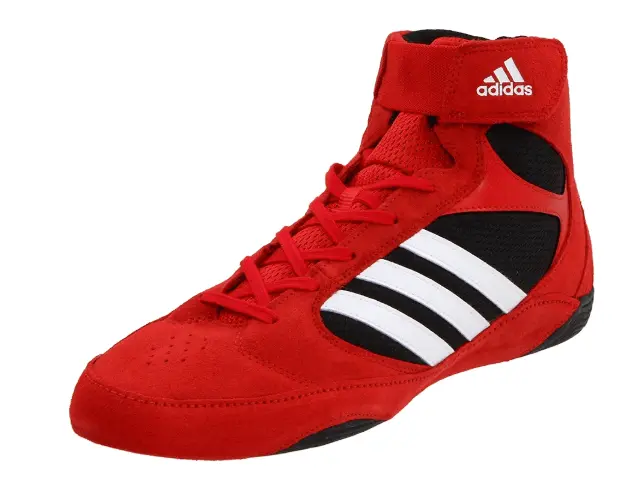
Overall weight dictates the agility of the shoe. Lighter and thinner models promote rapid footwork and a closer connection to the floor, while heavier, thicker variants unify the movement of the foot, ankle, and knee to provide enhanced structural support.
Height and Ankle Support
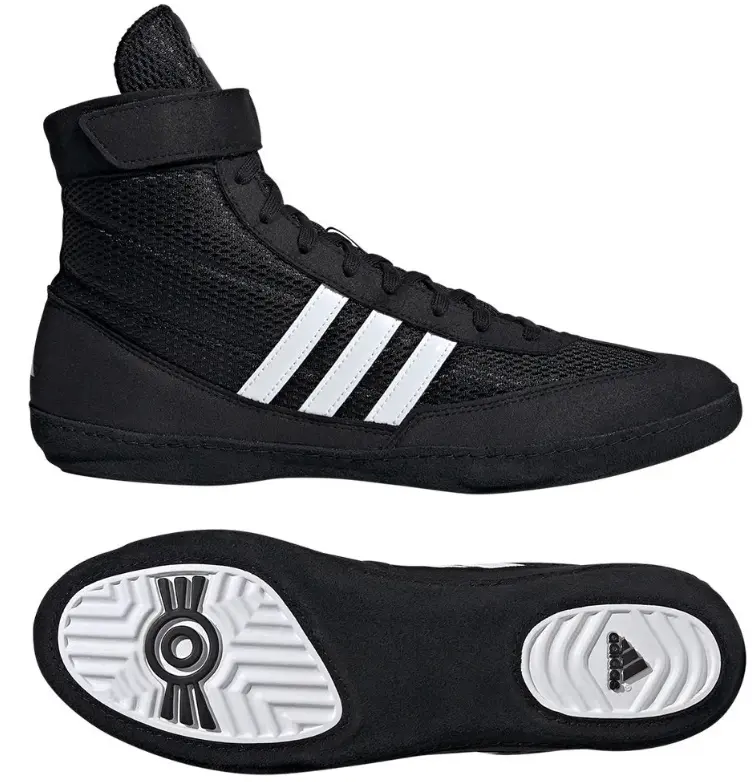
Ankle protection remains a primary function of boxing shoes, especially given the rapid directional changes inherent to the sport. Available in low, mid, and high-top configurations, shoe height often correlates with the level of ankle support provided. While high-tops cater to fighters seeking maximum stability or increased lower-leg awareness, low-tops appeal to athletes prioritizing absolute ankle mobility.
Stationary Stability and Support
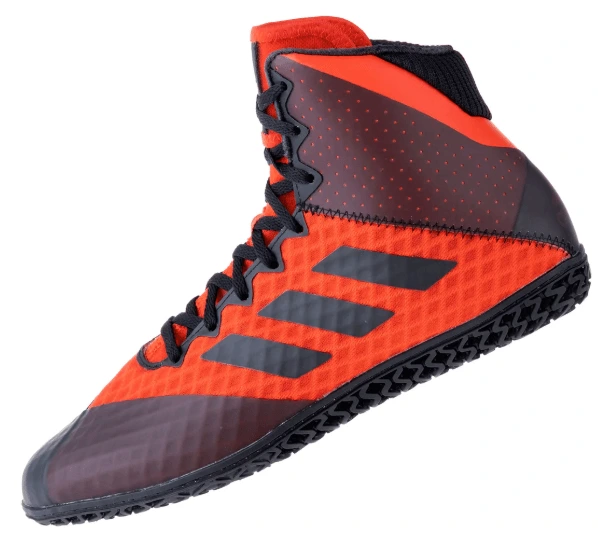
Unlike running or tennis shoes, which are engineered for continuous forward momentum and feature curved, cushioned soles that discourage flat footing, boxing shoes are built for stationary stability. Boxers require a flat plant to sit down on their punches for maximum power delivery before executing quick pivots or lateral steps. Arch support, shoe width, and overall material quality round out the essential criteria, ensuring a snug fit that prevents blistering and accommodates diverse foot shapes.
Market Landscape: From Mainstream Giants to Boutique and Luxury Brands
The boxing shoe market is divided into several distinct tiers, ranging from ubiquitous global sportswear manufacturers to specialized boutique and luxury labels.
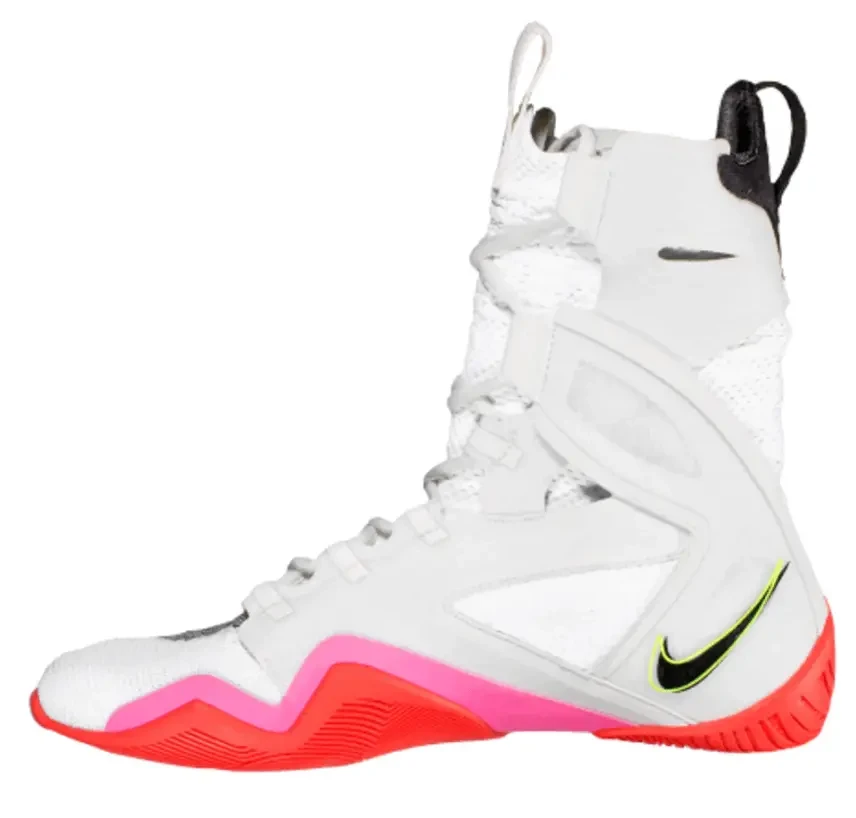
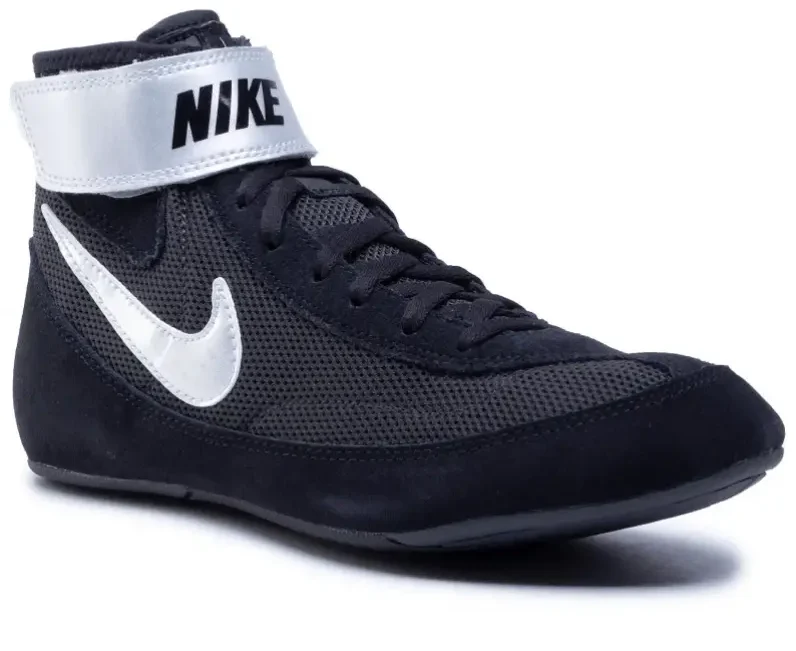
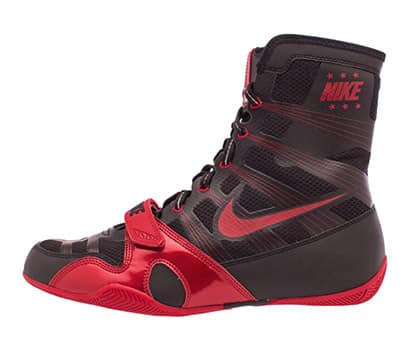
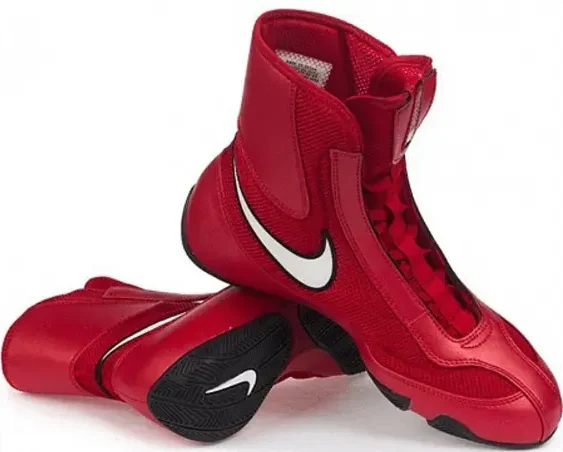
Nike dominates the market as the most popular brand among amateurs and professionals alike. Models like the Nike Speedsweep offer lightweight, low-top performance at an accessible price point, while the high-top Nike HyperKO has become a staple in gyms across regions like Southern California, favored for its stiff, boot-like sole and ultra-thin upper construction. Other established variants like the Machomai series continue to maintain a strong presence.
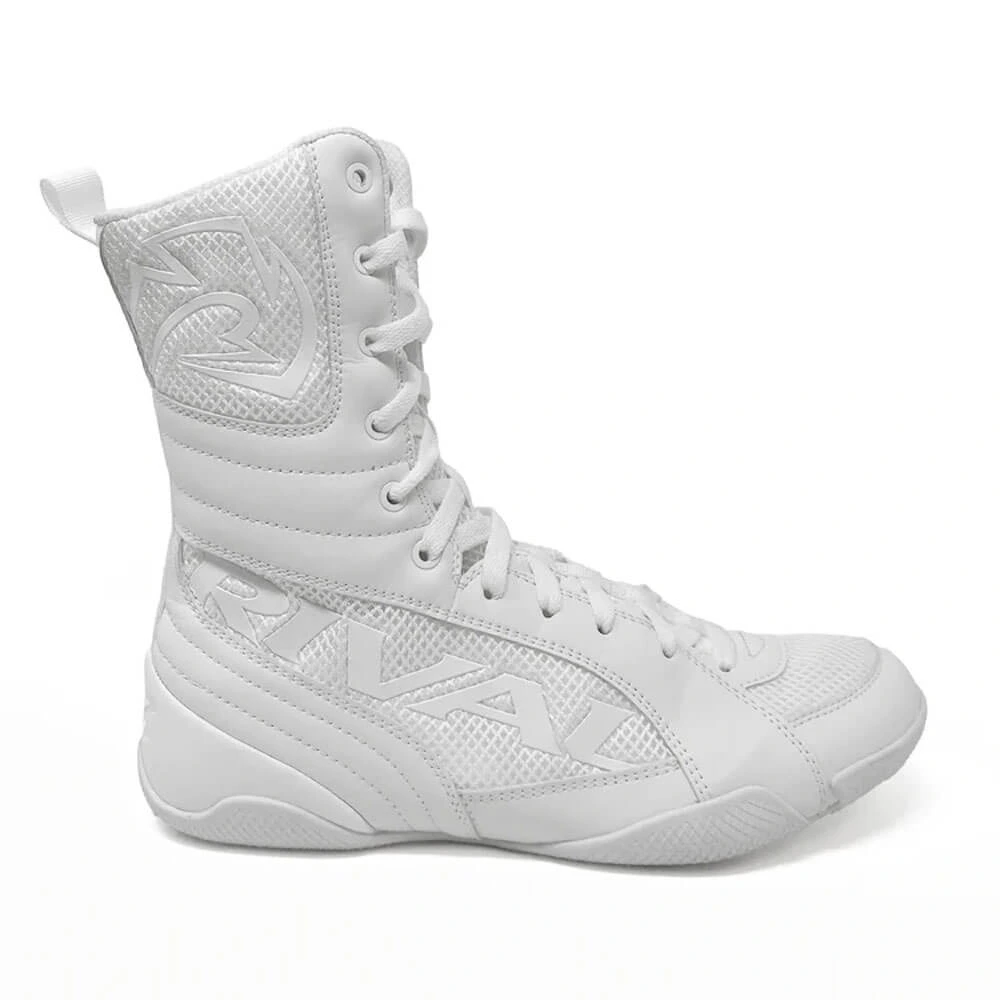
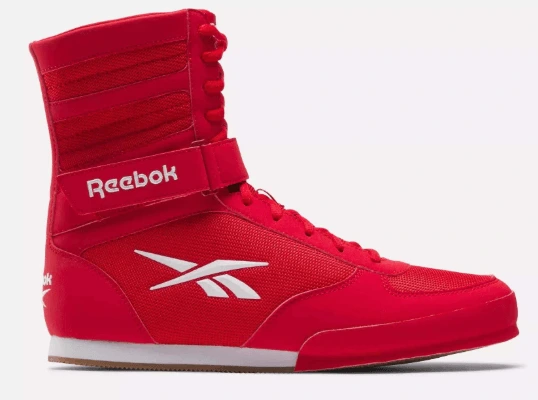
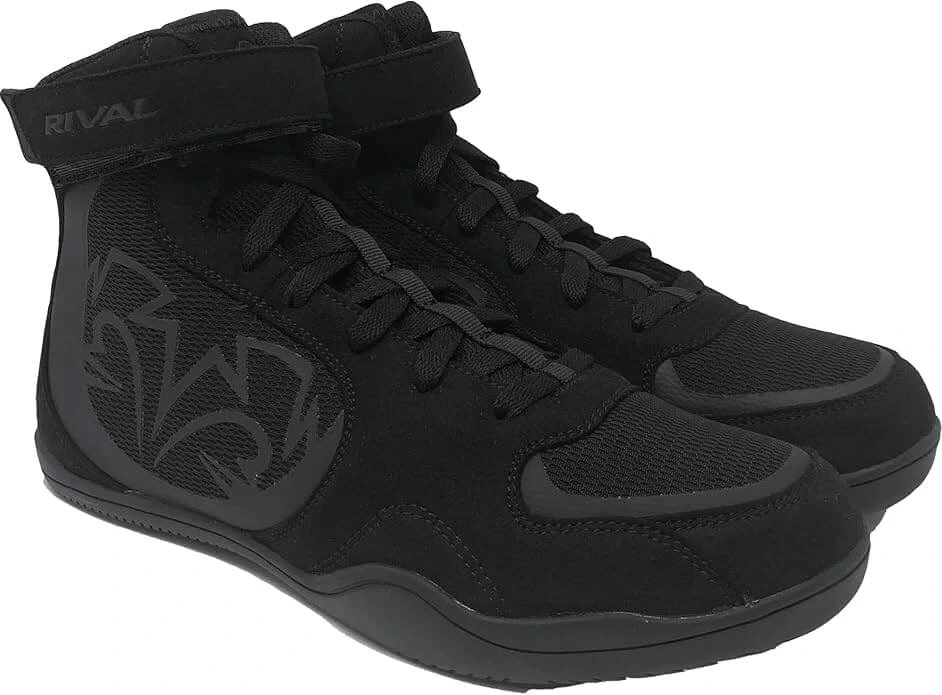
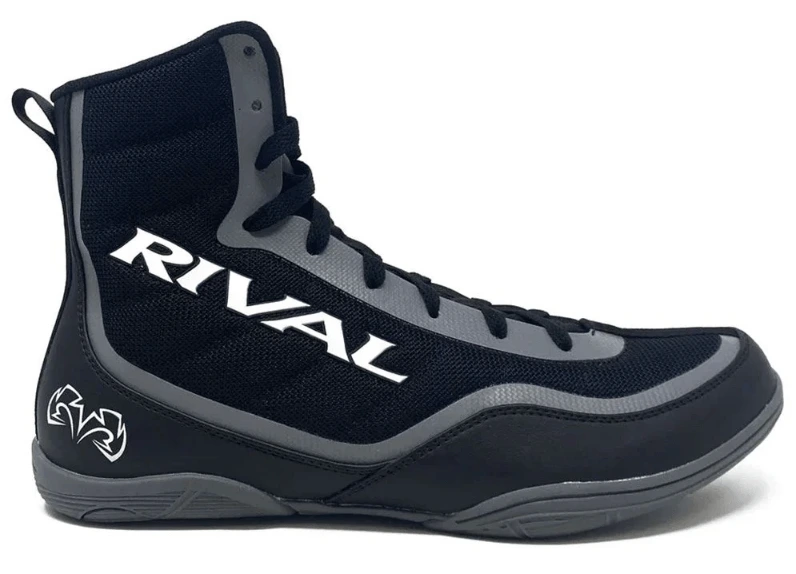
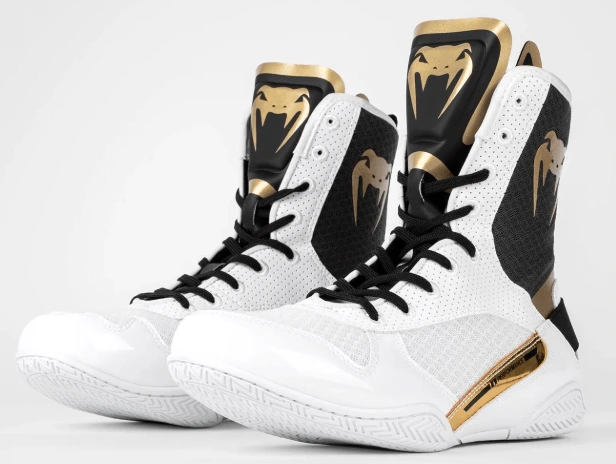
Secondary mainstream brands such as Adidas, Reebok, Rival, and Venum offer competitive alternatives. Adidas remains a prominent global competitor with a strong foothold in European markets through models like the Speedex and KO Legend. Reebok provides high-top alternatives worn by prominent figures like Floyd Mayweather and Amir Khan, though some fighters note their narrow fit. Rival offers structured options such as the RSX high-tops, which prioritize ankle support and a flatter sole profile over extreme minimalism, while Venum enters the space with adaptive mid-top designs.
Specialized Mexican brands, including Cleto Reyes and Adams Boxing, emphasize traditional all-leather craftsmanship or boutique styling. Cleto Reyes high-tops feature durable leather construction and convenient side zippers, appealing to fighters who value long-lasting quality and classic aesthetics over synthetic mass-production.
At the highest end of the market, luxury labels like Winning, Mizuno, and Di Nardo cater to elite athletes and purists willing to invest significantly more. Winning offers ultra-lightweight synthetic designs, while Mizuno provides high-end, rare Japanese engineering known for sleek comfort and balanced weight. Handcrafted Italian models by Di Nardo utilize premium leather and bespoke craftsmanship, representing the pinnacle of luxury in ring equipment.

Finally, brands originating from adjacent sports, such as Asics wrestling shoes, frequently find favor among boxers seeking affordable, high-performance alternatives with flat soles and reliable grip. Conversely, traditional multi-sport brands like Everlast, Ringside, Title Boxing, and Lonsdale often face criticism from purists regarding long-term quality control, comfort, and structural design, though they remain accessible entry points for casual participants and youth programs.

As fighters continue to weigh the balance between minimalist agility and robust structural support, the market offers an expansive array of choices tailored to individual anatomical needs, training environments, and personal fighting styles.