


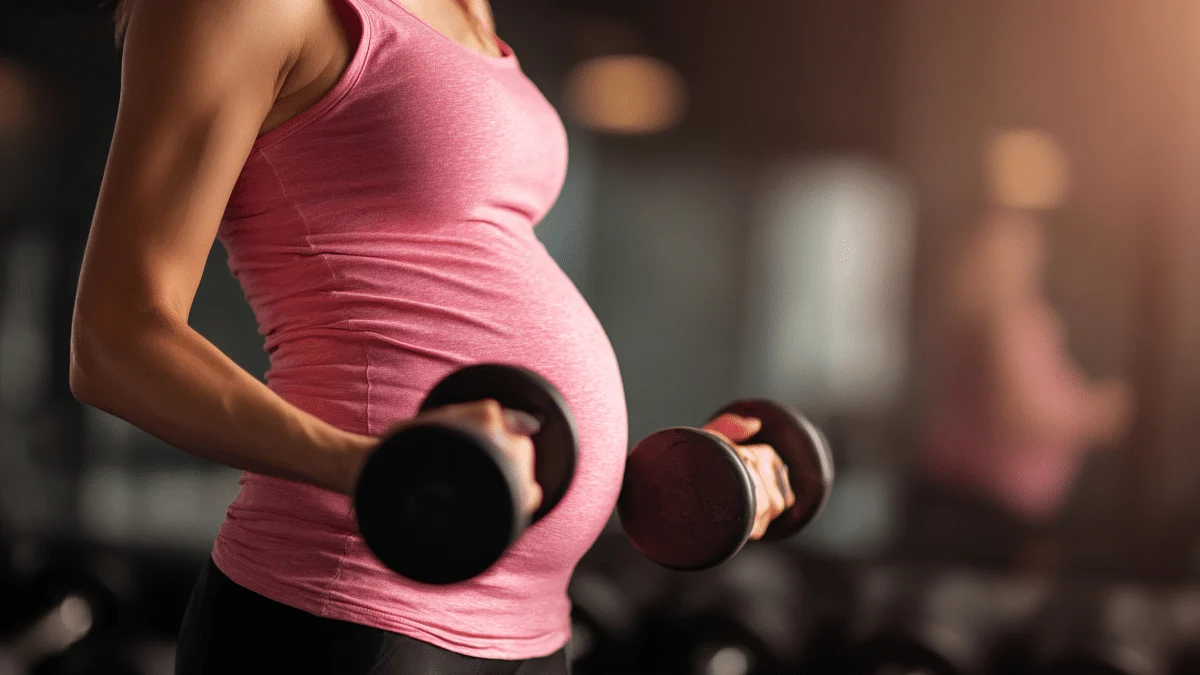
For generations, expectant parents have been bombarded with a barrage of unsolicited advice, persistent warnings, and outright fear-mongering regarding physical exertion. Among the most pervasive myths is the notion that lifting weights or engaging in resistance training during pregnancy is inherently dangerous, capable of harming the developing fetus, or bound to trigger severe complications. For decades, these cultural stigmas and overly cautious guidelines have forced many pregnant individuals to abandon their strength training routines out of an abundance of caution, despite a lack of empirical backing.
However, a robust and rapidly expanding body of scientific literature is finally setting the record straight. A recently published systematic review and meta-analysis, encompassing 50 individual studies and pooling data from over 47,000 participants, has taken a comprehensive look at the true impact of resistance training during gestation. The findings offer a definitive counter-narrative to outdated medical dogmas, demonstrating that lifting weights is not only remarkably safe for the vast majority of pregnant individuals, but it also delivers a profound array of physical and psychological health benefits.
Led by prominent researchers in the field, including notable contributions from Dr. Christina Prevett and Dr. Margie Davenport, the comprehensive review evaluated the effect of resistance training on a massive spectrum of pregnancy-related variables. These ranged from early prenatal health and systemic metabolic markers all the way to complex delivery outcomes, postpartum recovery, and pelvic floor symptoms. The results paint an encouraging picture of what the maternal body can safely achieve and how targeted physical activity can fundamentally improve the pregnancy experience.
Among the most striking revelations of the meta-analysis is the substantial protective effect resistance training has against common gestational metabolic disorders. According to the data, engaging in resistance exercise resulted in an approximately 50 percent reduction in gestational hypertension—a dangerous condition characterized by high blood pressure during pregnancy that can escalate into severe complications for both parent and child if left unmanaged.
A similarly dramatic relationship was observed regarding gestational diabetes, another frequent and challenging complication of pregnancy. The analysis revealed that structured resistance training resulted in an estimated 38 percent reduction in the likelihood of developing gestational diabetes. By improving insulin sensitivity and glucose uptake, regular strength training provides a powerful, non-pharmacological defense mechanism against metabolic distress during the prenatal period.
Beyond these profound metabolic and cardiovascular advantages, the research highlighted significant psychological benefits that are frequently overlooked in traditional prenatal care discussions. The study found that resistance training reduced the risk of perinatal mood disturbances by approximately 50 percent across both the prenatal and postpartum periods. This dual-action impact on both physical and psychological outcomes underscores the holistic value of maintaining a strength routine during one of life’s most demanding physiological transitions.
Just as illuminating as the benefits are the risks that failed to materialize. For years, the primary hesitation surrounding prenatal lifting has been the unfounded fear of adverse obstetric events. Yet, the meta-analysis demonstrated that resistance training did not lead to an increase in the complications people worry about the most. Rates of preterm birth, Caesarean delivery, and perineal injury remained statistically similar between those who engaged in regular exercise and those who maintained a sedentary lifestyle.
While the data did indicate some evidence that physically active participants experienced a somewhat longer first stage of labor, this variation occurred without any meaningful or clinically significant differences in the subsequent second stage of labor. Furthermore, key neonatal indicators—such as birthweight, gestational age, and the probability of delivering either an abnormally small or excessively large baby—were entirely unaffected by resistance training. In fact, macrosomia, which refers to a higher-than-normal birthweight often associated with gestational complications, was actually found to be less common among individuals who exercised.
When researchers turned their attention to pelvic floor health, limited data suggested an encouraging trend. Participants who successfully maintained or even increased their baseline strength levels throughout their pregnancy reported lower rates of overall pelvic floor symptoms compared to their inactive peers.
It is important to contextualize the training protocols examined across the broader literature. The majority of the studies included in the meta-analysis utilized exercise routines consisting of relatively short sessions involving light lifting, frequently combined with other forms of low-impact physical activity. However, light weights do not represent the absolute ceiling of what is possible or safe for trained individuals.
Prior research spearheaded by Dr. Prevett and Dr. Davenport has examined even more demanding athletic endeavors. A couple of years ago, scientific reviews documented the physiological impacts of continuing intense weightlifting disciplines—such as the snatch and the clean and jerk—as well as high-intensity CrossFit training throughout pregnancy. Those studies yielded similarly promising outcomes, demonstrating that well-conditioned athletes who possess an established baseline of movement proficiency can safely sustain high-load training under appropriate self-regulation and medical oversight.
The positive news regarding prenatal strength training is further bolstered by additional contemporary research. A separate systematic review of randomized controlled trials published in 2025 reported that resistance training directly supports enhanced day-to-day well-being. Participants experienced notable improvements in overall quality of life metrics, including marked reductions in chronic fatigue, better sleep architecture, fewer musculoskeletal aches and pains—particularly the debilitating low back and pelvic discomfort common in later trimesters—and superior overall physical functioning.
When viewed as a cohesive whole, the current scientific literature delivers a clear and reassuring message. When resistance training is appropriately prescribed, scaled, and supervised by qualified professionals who understand the physiological adaptations of pregnancy, it appears to be entirely safe. More importantly, it stands as a net positive intervention that actively enhances the health, comfort, and safety of the pregnancy journey.
For individuals interested in staying up to date with the latest evidence-based physical culture and fitness research, organizations like Stronger By Science continue to provide regular updates, practical training tips, and comprehensive scientific summaries through their free weekly newsletter.