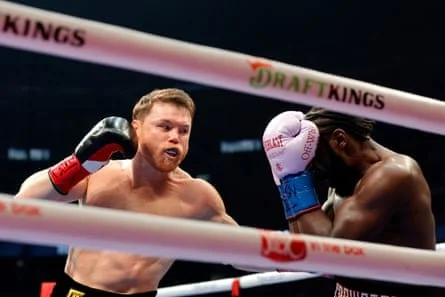
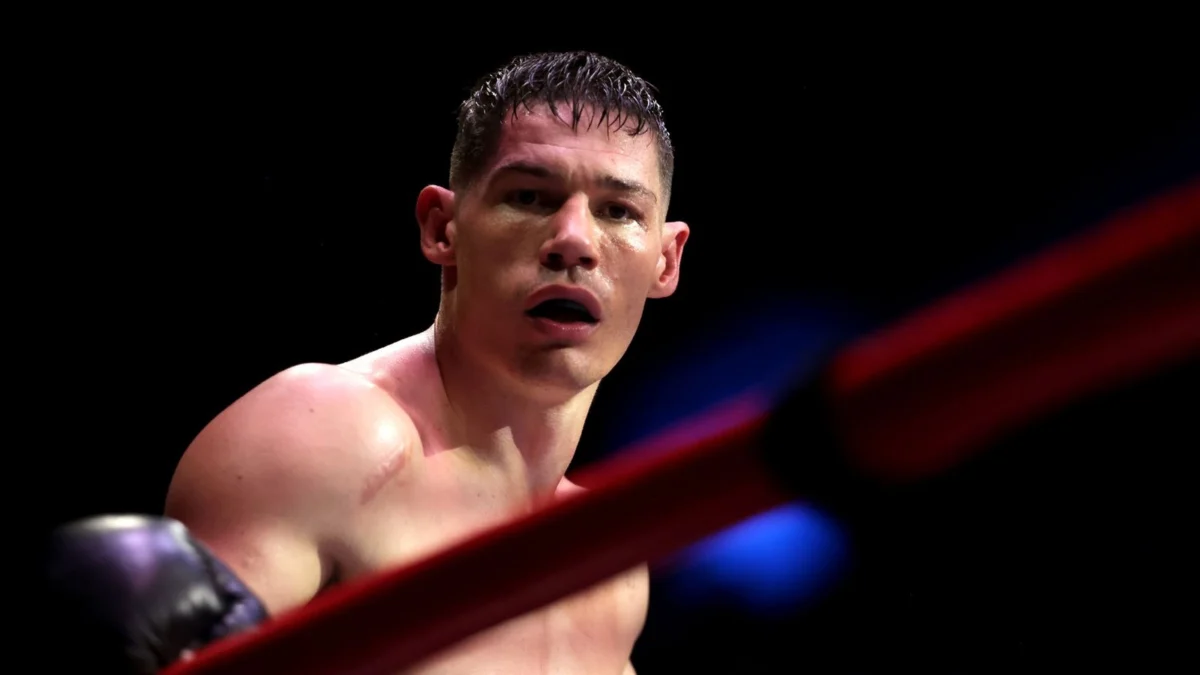
In a contest defined by unrelenting high-stakes drama, Cheavon Clarke delivered a career-defining performance by handing former WBO world cruiserweight champion Chris Billam-Smith the first stoppage loss of his professional career. The explosive bout reached its climax in the seventh round when referee Lee Every stepped in to halt the action, sparking immediate debate and contrasting reactions from fight fans, promoters, and the fighters themselves.
Billam-Smith, who was finished on his feet while actively shaking his head in firm protest, found himself in unchartered territory during the fateful seventh round. Prior to this contest, the tough British cruiserweight had established a reputation for exceptional durability. Throughout his professional career, he had never once been knocked down, let alone stopped. However, Clarke shattered that record of resilience by flooring the former world champion twice in quick succession during the seventh round before referee Lee Every decided that Billam-Smith had sustained enough punishment.
The victory not only signaled a monumental upset in the cruiserweight landscape, but it also added a compelling new chapter to the history between the two men, who previously met during their time in the amateur ranks.
Controversy and Debate Surrounding the Seventh-Round Stoppage
The decisive moment of the fight brought an instant wave of discussion inside the arena. Despite finding himself on the receiving end of heavy, decisive punches that sent him to the canvas twice in the single frame, Billam-Smith made it clear that he felt capable of continuing. Standing upright as the referee called a halt to the contest, Billam-Smith’s body language signaled deep disappointment and disagreement with the timing of the intervention.
Promoter Dana White of Zuffa Boxing shared a similar perspective regarding the official’s decision to stop the fight, indicating that he felt the intervention might have been premature given Billam-Smith’s proven track record of fighting through hardship.
"I thought it was early," White stated in his assessment of the seventh-round stoppage. However, acknowledging that only the athlete inside the ring truly understands the extent of physical damage endured, White tempered his initial observation by adding, "Only CBS can answer that question."
In stark contrast, Cheavon Clarke firmly supported referee Lee Every’s decision to call off the contest. Clarke maintained that Billam-Smith was in severe physical distress and that the referee fulfilled his primary obligation of protecting a compromised fighter from taking unnecessary, dangerous punishment.
Addressing critics who questioned the referee’s judgment, Clarke pointed to Billam-Smith’s unsteady footwork and compromised posture during the final barrage as clear evidence that the fight needed to be stopped.
"If he was blocking the shots he wouldn’t have been dancing," Clarke observed, dismissing the notion that the former champion was in a position to defend himself effectively.
Clarke also highlighted the intense scrutiny and double standards that ring officials routinely face in high-profile bouts. He stressed that had the referee allowed the contest to proceed, Billam-Smith could have been subjected to even greater peril, which would have inevitably drawn sharp criticism from media observers and commentators.
"If Chris had got more time and Chev does what Chev normally does and Chris got knocked down and was then hurt we’d have then had you guys, the media saying: ‘Oh the ref didn’t do a good job,’" Clarke explained. "So did he do a good job or did he do a bad job?"
To further justify the intervention, Clarke drew parallels to his previous bout against Jack Massey. In that grueling encounter, Clarke had to show immense fortitude of his own, climbing off the canvas twice after being knocked down before roaring back to stop Massey. Drawing from his firsthand experience in high-impact battles, Clarke noted that Billam-Smith was far more hurt against him than Massey had been during their brutal clash.
"Chris was in a worse state than Massey," Clarke pointed out, emphasizing that the cumulative impact of his punches in the seventh round left the official with little choice but to step in.
The victory over Billam-Smith marks the second consecutive impressive stoppage win for Clarke, solidifying his reputation as one of the most dangerous and explosive punchers in the cruiserweight division today.
What next?
The aftermath of this high-stakes showdown leaves both fighters at vastly different junctures in their respective careers, raising major questions about where each man goes from here.
Evaluating the situation for Chris Billam-Smith, Sky Sports boxing expert and former world cruiserweight champion Johnny Nelson offered a detailed assessment of the challenges facing the former WBO titlist. Nelson brought attention to long-standing defensive vulnerabilities that have concerned Billam-Smith’s training team for some time.
"Even [his coach] Shane McGuigan said he gets hit far too often and he’s not happy about it," Nelson noted, referencing the tactical concerns highlighted by Billam-Smith’s respected head trainer.
According to Nelson, the loss forces Billam-Smith to confront serious questions about his fighting style, defensive mechanics, and ultimate career ambitions moving forward. The physical toll of taking clean shots repeatedly throughout a hard-fought professional journey inevitably takes its toll, making long-term strategic adjustments essential.
"He’s got to think: ‘What can I change?’ if anything can be changed," Nelson analyzed. "Chris has achieved everything he can do as a professional fighter, so it’s now about appetite and direction."
Having reached the pinnacle of the sport by capturing a world championship, Billam-Smith must now determine whether he possesses the hunger to rebuild and fight his way back into world title contention, or whether a different road lies ahead.
"What does he want to do? Where does he want to go?" Nelson asked. "Does he want to try and get in the ring again with Chev or is Chev his bogeyman for the rest of his life?"
While Billam-Smith contemplates his next career move, the trajectory for Cheavon Clarke is filled with momentum. Following back-to-back stoppage victories over top-tier opposition in Jack Massey and Chris Billam-Smith, Clarke has firmly established himself as a dominant force. However, when considering Clarke’s immediate future, Nelson advised a measured approach rather than rushing straight into the international title scene.
Nelson expressed the view that Clarke would benefit greatly from fully sweeping the domestic landscape in the United Kingdom before testing himself against the elite champions on the global stage.
"At domestic level he needs to clear it completely to say he’s top of the tree as a cruiserweight in the UK," Nelson advised.
The former world champion warned that jumping too quickly into world title bouts could present severe tactical and physical challenges against the absolute top tier of international cruiserweights.
"Because on the world scene there’s some big shapes and sizes that Chev will have hellfire with," Nelson explained, cautioning that the physical demands at the supreme world level require supreme preparation and domestic maturity.
Despite those future tests awaiting him down the road, Nelson acknowledged that Clarke currently holds all the momentum and enthusiasm required to make a massive impact in the weight class.
"He’s got the energy and the appetite, so let him bask in the glory," Nelson concluded.