
Renowned boxing trainer and analyst Teddy Atlas has opened up about a harrowing chapter from his past, recalling a violent street altercation in Staten Island, New York, that resulted in a horrific knife attack, required 400 stitches, and very nearly cost him his life.
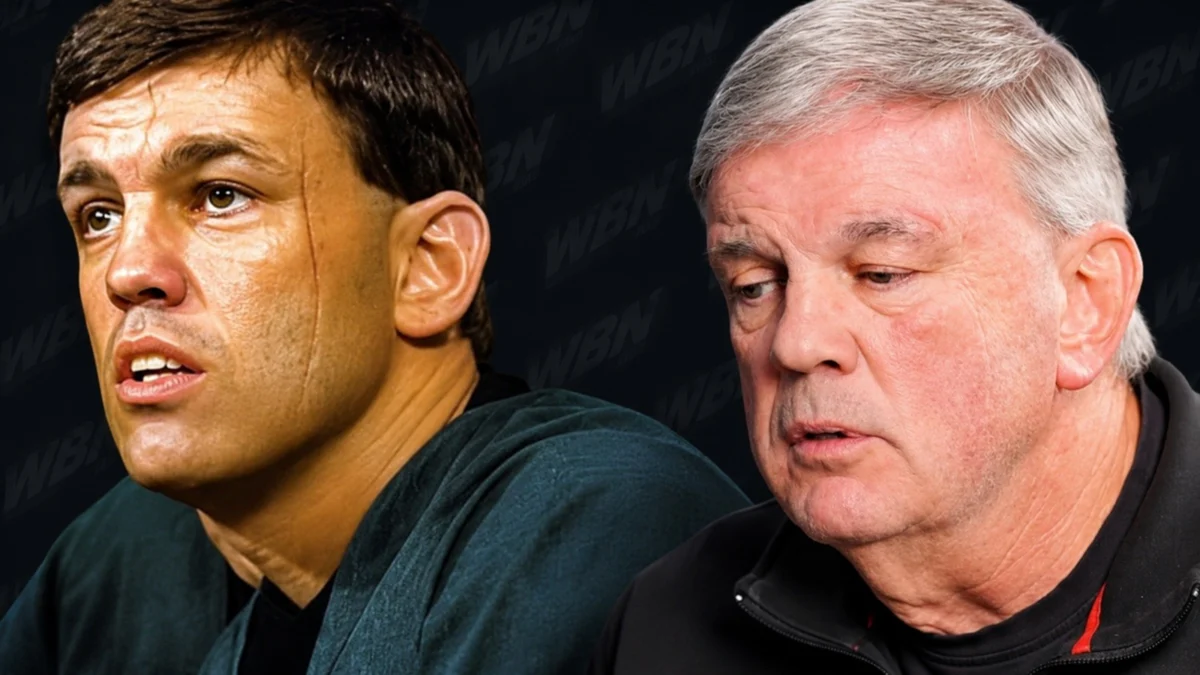
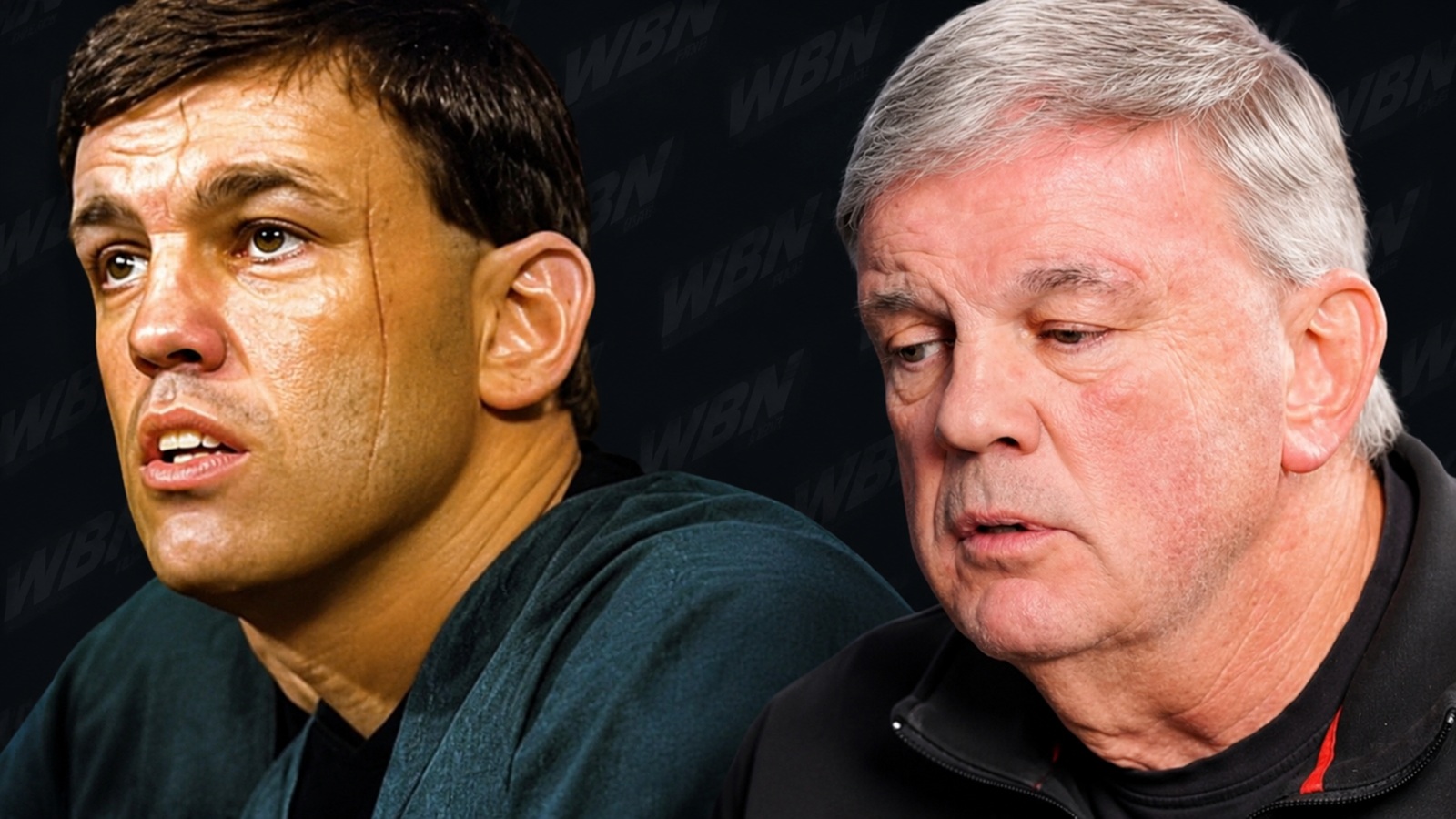
Atlas, who famously helped guide a teenage Mike Tyson during his formative years at Cus D’Amato’s legendary Catskill gym, carries a permanent physical reminder of the incident across his face—a scar that boxing fans around the world have recognized for decades. Yet, despite how iconic that mark has become within the sport, the story behind it is one of sheer survival, split-second tactical decisions, and a brush with death that missed a major artery by the narrowest of margins.
The chilling details of the attack were recently shared by ATS Fight from an interview Atlas gave on the Ring Champs podcast. During the discussion, the veteran trainer walked listeners through the chaotic sequence of events on the streets of Staten Island, explaining how a routine traffic dispute escalated into a life-or-threatening confrontation against overwhelming odds.
Teddy Atlas Knife Attack
According to Atlas, the confrontation began innocently enough on the road before quickly spiraling out of control. A friend who was driving their vehicle inadvertently ran a red light and cut off another car. Reflecting on the moment, Atlas noted that while the situation could be blamed on cutting off the wrong people, the underlying catalyst mattered little compared to how rapidly the violence unfolded.
The vehicles engaged in a brief, tense back-and-forth, repeatedly cutting each other off until both cars finally came to a stop. Instantly, the situation transformed from a minor traffic disagreement into a serious physical threat as five men emerged from the opposing vehicle.
Atlas found himself immediately embroiled in a physical altercation, fighting one of the men. Amidst the chaos, his instincts as a combat sports expert kicked in, prompting him to monitor the broader environment. That vigilance likely saved his life, though it could not entirely prevent the trauma that followed. As he traded blows with his primary opponent, Atlas caught a glimpse of another man reaching into his pocket.
"As I was fighting with someone else, I looked and saw the guy go into his pocket, come out, do this. And I knew what it was," Atlas recalled.
What followed was a surreal, slowed-down perception of time often reported by individuals facing mortal danger. Atlas described how his mind immediately raced to evaluate his options in a fraction of a second. He was forced to make a critical choice: attempt to retreat and get away, or close the distance to neutralize the threat before a weapon could be fully deployed.
"The weirdest thing is everything slows down. It really does, people. And I realized I had to make a decision. Was the decision get away or get close?" Atlas shared. "I decided to get close. And I went real fast, but he was faster and he came down."
Before Atlas could fully intercept his assailant, the attacker brought a knife down, slashing him violently across the face. The wound was devastatingly deep, slicing open tissue and instantly turning a street brawl into a catastrophic medical emergency.
Doctors Feared Atlas Would Die
The severity of the injury became starkly apparent almost immediately as Atlas was rushed away from the scene. Trapped in the back of an ambulance alongside police officers, Atlas remembers overhearing the medical personnel and law enforcement discussing his grim prognosis in hushed, urgent tones.
"I was in the ambulance with the cops and I remember them saying, ‘I think we might lose him,’" Atlas recalled.
Despite the dire assessment of the professionals working desperately to keep him alive, Atlas maintained an unwavering psychological anchor. Growing up the son of a physician, Dr. Theodore Atlas, the young man possessed a deep-rooted, almost unshakable faith in the medical world, specifically centered on his father’s ability to fix any injury. Hearing that his life was slipping away did not cause panic; instead, it triggered a singular, resolute thought.
"When I heard it, I remember saying to myself, they don’t understand, my father’s going to take care of this," Atlas said.
Upon arriving at the hospital, the urgency only escalated. As medical staff wheeled him in on a stretcher, bouncing him rapidly along the corridors while prepping for emergency intervention, Atlas repeatedly demanded that they contact his father.
"When we got there and they took me up on the stretcher and they were rushing me and bouncing me around, I remember telling them, ‘Get Dr. Atlas. He’ll take care of this. Get Dr. Atlas,’" he remembered.
One of the attending doctors gently tried to calm the panicked patient, explaining that his father was not present at the facility, but assuring him that another highly capable physician would step in to handle the trauma. The medical team went to work, performing extensive and meticulous surgical repairs on a wound that had miraculously missed his jugular vein by mere millimeters.
When the ordeal was finally over, the physical toll was staggering. Atlas required 200 stitches on the outside of his face and another 200 stitches on the inside, totaling 400 stitches to close the catastrophic laceration. Yet, remarkably, he survived.
Mike Tyson Trainer’s Famous Scar
While the physical scars healed over time, leaving behind the distinctive facial mark that would become a fixture of television broadcasts and ringside commentary booths, the emotional and psychological ramifications extended far beyond Atlas himself. Looking back on the incident years later, Atlas acknowledged that the violence carried heavy collateral damage, heavily impacting not just his own life, but the lives of his family members who had to process the trauma of almost losing him.
Years after the Staten Island attack, Atlas forged a legendary and complex path through the sport of boxing. He is perhaps most widely known for his time working alongside a young, ferocious Mike Tyson under the guidance of Cus D’Amato at the historic Catskill boxing club. Though that partnership famously imploded following a severe disagreement regarding Tyson’s conduct outside the ring—leading Atlas to walk away from the future heavyweight champion—the two men eventually healed old wounds. After three decades of estrangement, Tyson and Atlas publicly reconciled in 2013, with the former heavyweight champion offering an apology to his former mentor.
Beyond his early work with Tyson, Atlas cemented his status as an elite boxing mind by transitioning into a world-class championship trainer. In 1994, he achieved boxing immortality by training underdog Michael Moorer to a stunning heavyweight championship victory over the formidable Evander Holyfield. Following his time in the corner, Atlas transitioned into a celebrated career as a boxing commentator and analyst, renowned for his passionate, uncompromising insights into the sweet science.
Today, the man known for breaking down the mechanics of world-class fighters remains one of the most recognizable and respected voices in combat sports. Though decades have passed since the bloodied streets of Staten Island, and his voice and face are now broadcast to millions worldwide, the permanent scar across his cheek stands as an enduring, undeniable testament to a split-second choice that almost ended his story before his legacy in boxing had even truly begun.