The annals of boxing history are filled with legendary rivalries, terrifying punching power, and the complex psychological weight of comebacks that came just a bit too late. Among the most iconic figures of heavyweight lore, "Iron" Mike Tyson remains a benchmark of raw, unadulterated intimidation. Yet, even decades after the dust has settled on their respective careers, the fighters who stood across the canvas from him continue to reflect on the immense challenges of stepping into the ring with one of the sport’s most destructive punchers.
A former heavyweight champion who once ruled the division with a legendary left jab has opened up about the profound regret he harbors regarding his decision to end his retirement to face Mike Tyson at the height of the latter’s terrifying reign.
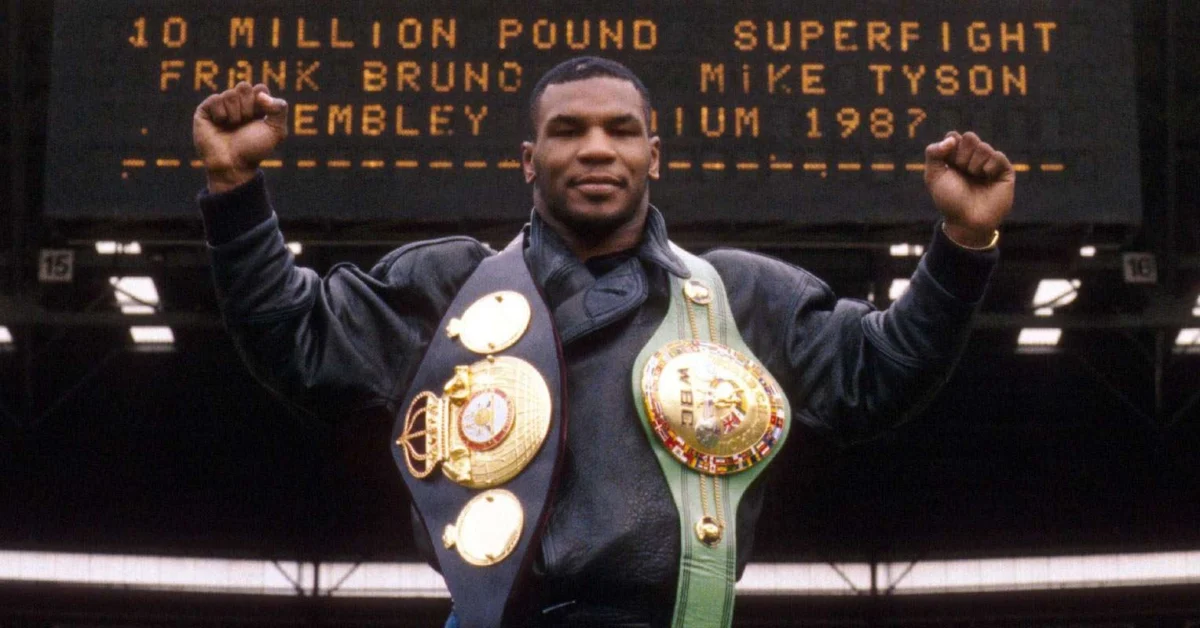
To fully understand the weight of that fateful bout, one must look back at the absolute force of nature that Tyson represented during his prime years in the late 1980s. At the peak of his powers, Tyson was undisputedly the most feared and formidable heavyweight on the planet. His explosive, peek-a-boo style under the tutelage of legendary trainer Cus D’Amato yielded a staggering run of dominance, highlighted by 19 consecutive knockout victories in his first 19 professional fights. Even more remarkably, 12 of those early victories came inside the very first round, leaving opponents battered, bewildered, and often unconscious before they could even adjust to the sheer speed and ferocity he brought to the ring.
Tyson’s crowning moment of that era came in November 1986, when he squared off against Trevor Berbick. Displaying the devastating power that would become his trademark, Tyson blasted Berbick out in the second round of their bout at the Las Vegas Hilton. With that emphatic victory, Tyson captured the WBC world heavyweight title, etching his name into the record books as the youngest ever heavyweight champion in boxing history—a monumental record that stands to this very day, defying decades of challengers who have tried to usurp it.
Not content with merely holding one belt, Tyson marched through the division to unify the division. Subsequent victories over WBA champion James "Bonecrusher" Smith and IBF champion Tony Tucker cemented his status as the undisputed heavyweight champion of the world. He went on to make six successful defenses of his crown, ruling over a division that had previously seen years of fragmented titles. His invincible aura remained intact until that fateful night in Tokyo in February 1990, when he suffered his first professional defeat at the hands of James "Buster" Douglas in one of the biggest upsets in sports history.
Long before that shock defeat in Japan, however, Tyson crossed paths with another legendary champion who had previously defined the heavyweight landscape. One of the fighters Tyson defeated during his triumphant reign as undisputed champion was Larry Holmes, a man who had famously held the world heavyweight championship between 1978 and 1985, coming agonizingly close to matching Rocky Marciano’s legendary undefeated retirement record.
Holmes, known for possessing one of the finest jabs in the history of the sport, had been enjoying a peaceful retirement when the lure of a lucrative showdown and the challenge of facing the new, young king proved too difficult to resist. Stepping out of retirement in 1988, Holmes took on the formidable task of trying to dethrone "Iron" Mike.
In a revealing interview with The Telegraph, Holmes reflected on that chapter of his career, speaking candidly about his regret over going ahead with a fight against Tyson, while simultaneously maintaining his fierce competitive pride by claiming he would have defeated the young champion had they met during their respective prime years.
Recalling the encounter and the lingering frustrations surrounding his performance, Holmes did not mince words about the sheer potency of Tyson’s arsenal. He acknowledged the undeniable punching power that made the champion such a historic threat inside the squared circle.
"I shouldn’t have come out of retirement against him," Holmes admitted in the interview. "I fought Mike Tyson and I lost. He stopped me. Tyson could punch, you can’t take that away from him."
Despite conceding defeat and acknowledging the devastating effectiveness of Tyson’s pressure-fighting style, Holmes maintained his conviction that the outcome would have looked entirely different under different circumstances. He pointed out the stylistic approach that Tyson favored, noting how the younger champion liked to close the distance, stand directly in front of his opponents, and attempt to bully them back against the ropes. According to Holmes, that tactic would have been rendered ineffective against the ring generalship and technical mastery he possessed during his own championship years.
"He would stand in front of you, try and push you against the ropes, but he wouldn’t have been able to do that to me in my prime," Holmes asserted. "I would have beaten him."
The 1988 bout with Tyson was far from the final chapter of Larry Holmes’s remarkable and enduring career in professional boxing. After suffering the stoppage defeat to "Iron" Mike, Holmes demonstrated incredible resilience and longevity by continuing to fight on and off for over another decade. He remained a fixture in the heavyweight landscape, occasionally stepping away before returning to test himself against younger generations of fighters.
Holmes’s remarkable dedication to the sport stretched all the way into the new millennium. He finally brought the curtain down on his illustrious professional career in July 2002, bringing an end to a journey that spanned decades and defined an entire era of boxing. In his 75th and final career bout, Holmes secured a victory against Eric "Butterbean" Esch, walking away from the sport with his hand raised one last time and cementing his legacy as one of the most durable and accomplished heavyweight champions in boxing history, even if his foray into the ring against Mike Tyson remained a source of professional heartbreak.