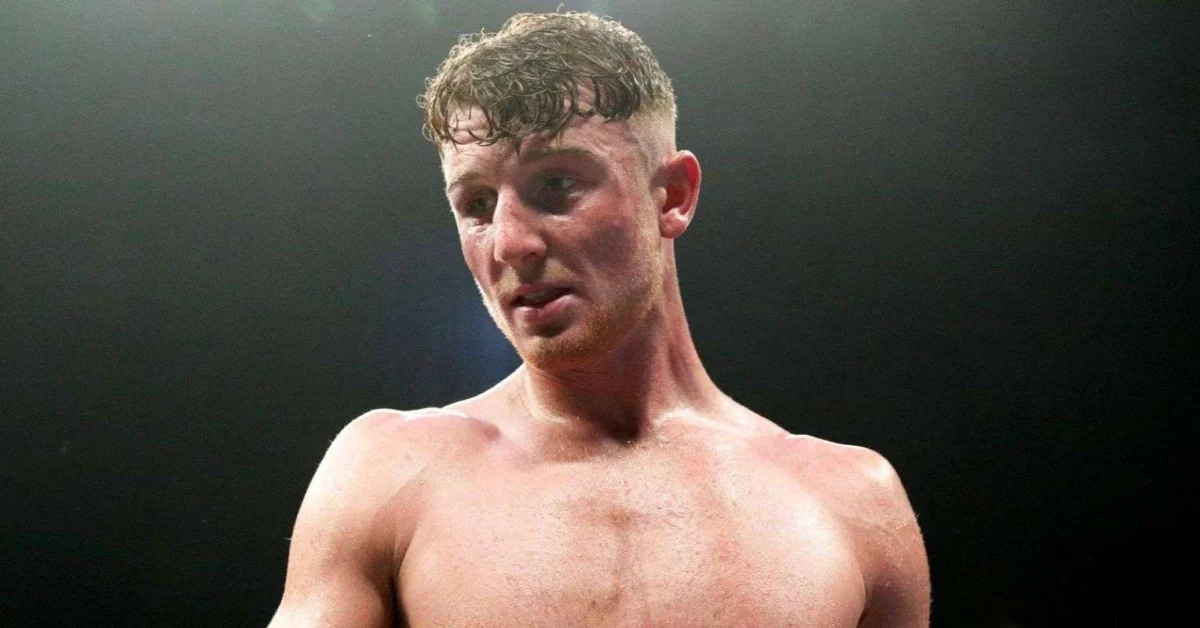
Professional boxing is a sport defined by a brutal dichotomy, where fierce combatants must bridge the gap between ruthless in-ring execution and everyday human empathy. Few fighters articulate this psychological tightrope quite as candidly as Brad Rea. Standing on the precipice of his next major challenge at the Manchester Arena this Saturday, the 28-year-old light-heavyweight finds himself reflecting not only on the physical demands of his training camp but also on the complex emotional aftermath of inflicting violence inside the squared circle.
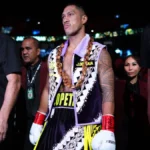
Rea’s last outing yielded a stunning and spiteful fourth-round stoppage over Liam Cameron in May, a career-highlight victory achieved on home turf in front of a sizable and appreciative audience. Yet, the immediate aftermath of that crowd-pleasing knockout presented the Manchester fighter with an unexpected internal conflict. While the initial wave of adrenaline and triumph brought undeniable delight, it was quickly tempered by the sobering realization that Cameron—an opponent whom Rea genuinely knows and respects—had just absorbed a severe beating at his hands.
During the heat of battle, while safely cocooned within what fighters refer to as "the zone," such considerations vanish entirely. In those moments, a competitor has little regard for an opponent’s physical health or overall well-being. However, once the referee steps in and the final bell sounds, Rea often finds himself experiencing an abrupt shift in temperament, joking that he feels as though he has been administered a generous dose of "nice guy" pills.
"I’m a nice kid—I don’t want to do harm to anyone—but when I get in that ring on fight night, I find it very easy to flick the switch," Rea admits, offering a rare window into the mindset of a modern prizefighter. "I’ve just got a job to do at the end of the day. Whoever’s in front of me, I’m trying to knock them unconscious. I might feel a little bit guilty afterwards, but so be it. I put my mask on for those 10 rounds, or however long I’m fighting. Then the mask comes off and I’m back to normal."
This psychological compartmentalization is something many athletes struggle to master throughout their careers. It is common practice in the fight game for competitors to manufacture personal animosity, engaging in theatrical rivalries, trash-talking during press conferences, and glaring intensely at one another during weigh-ins to psych themselves up for combat. Rea, however, operates entirely without the need for manufactured hostility. For him, the personal feelings of friendship or neutrality toward an opponent bear zero relevance to the physical reality of the assignment.
"Some people struggle with that," Rea explains. "They might pretend to not like their opponent at a weigh-in or a press conference, whereas I don’t have to do that. Whether I like you or not, I’m coming to knock you clean out."
Friend or foe alike, the destination remains the same under Rea’s watch. This weekend, that same relentless philosophy will be directed toward Ezra Taylor, a fellow contender who now finds himself cast in the role of the latest obstacle in Rea’s path. Taylor enters the bout looking to rebound from a wide points defeat to Willy Hutchinson back in March, a setback that has undoubtedly forced the London-based fighter into deep introspection.
Preparing for an opponent coming off a significant loss requires a unique tactical approach, and Rea has spared no effort in ensuring his physical and mental readiness are at their absolute peak. To break the monotony of a grueling training schedule and temporarily escape the notoriously gloomy and damp weather conditions of the United Kingdom, the 28-year-old treated himself to an unconventional preparation phase—spending a crucial week of his training camp under the warm sun in Spain.
While boxing camps are traditionally associated with Spartan gym conditions, sweat-soaked canvas, and the relentless pounding of heavy bags, Rea found immense value in changing his scenery. The opportunity to alter his routine provided a welcome psychological and physical refresh ahead of fight night.
"It was nice to just break the camp up," Rea says of his time abroad. "I love my training, I love being in the gym, I love what I do, but it’s very repetitive sometimes, so it was nice to run down the beach instead of in the wind and rain over here. It was really hot out there as well, so the first session was a bit of a shock to the system. But I got used to it as the week went on and felt fitter than ever coming back home."
Despite the temporary luxury of training under the Spanish sun, returning to British soil brought its own specific comforts—chief among them being a joyous reunion with his dedicated "running partner," a Springer Spaniel named Tilly. Known to keep Rea thoroughly on his toes during cardiovascular sessions, the canine companion quickly put him right back through his paces upon his return.
Yet, beneath the veneer of a sun-kissed getaway and lighthearted jogs with a pet, there is no mistaking the razor-sharp focus with which Rea is approaching this Saturday’s assignment. He is well aware that external observers might be tempted to write off Taylor following his recent loss to Hutchinson. But Rea, a seasoned campaigner who has experienced the bitter taste of defeat himself against opponents such as Tyler Denny and Lyndon Arthur, refuses to fall into the trap of underestimating a wounded animal.
Having navigated the difficult aftermath of high-profile losses in his own career, Rea understands precisely what goes on behind closed doors when a professional athlete is forced to pick up the pieces and rebuild. That empathetic understanding makes him exceptionally wary of what Taylor might bring to the ring on fight night.
"I feel like this is a dangerous time to fight him, because I know how he’s feeling—I know how I was after my first loss; I know how I was after the Lyndon fight," Rea notes. "You go back and dissect your performance to an extent that you don’t really do when you win, so I can’t watch old Ezra Taylor fights and think that’s the version I’m going to get. For all I know, I’m going to get a completely different fighter on fight night."
While Rea maintains a healthy respect for Taylor’s athletic capabilities and acknowledges the potential for an evolved version of his opponent to step through the ropes, he ultimately believes that a lifetime of dedicated experience will be the deciding factor in their light-heavyweight clash. With a boxing education that began at the tender age of eight, Rea possesses a deep foundational knowledge of the sport, contrasting with Taylor, who famously did not pick up a pair of gloves until he was 19 years old.
As the opening bell draws closer at the Manchester Arena, the contrast between Rea’s amiable, thoughtful demeanor outside the ropes and his devastating efficiency inside them will once again be put to the test. Whether the mask stays on for four rounds as it did against Cameron or the fight stretches into deep waters, Brad Rea is prepared to do what is necessary, secure in the knowledge that once the job is finished, the nice guy will be back.