Mike Tyson’s meteoric rise through the heavyweight division during the mid-1980s produced a sensational win-to-knockout ratio that sent immediate and lasting shockwaves through the sport of professional boxing. When "Iron" Mike burst onto the scene, making his professional debut in the spring of 1985 at just 18 years of age, few observers could have predicted the sheer magnitude of the cultural and athletic phenomenon he would become. His explosive style, characterized by relentless peek-a-boo defense, devastating body hooks, and a terrifying ability to end a contest with a single right hand, made him one of the most feared athletes in combat sports history.
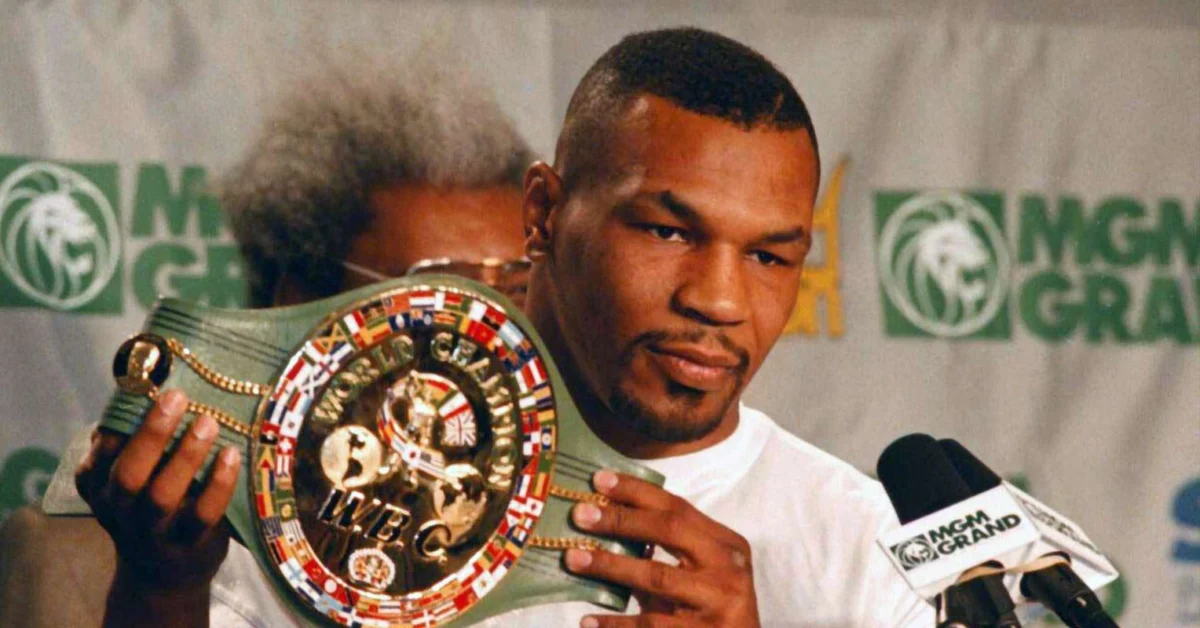
During the earliest stages of his professional career, Tyson systematically dismantled every opponent placed in front of him. He won his first 19 career outings via stoppage, an astonishing display of dominance that included 12 victories coming entirely in the opening round. Opponents routinely stepped into the ring only to be overwhelmed by his speed, ferocity, and raw punching power. This unprecedented run of early-career success culminated just one year after his professional debut, when he challenged Trevor Berbick for the WBC heavyweight championship in November 1986. Tyson delivered a masterclass in violence and efficiency, knocking Berbick out in the second round to capture world honors for the first time. In doing so, he not only claimed the WBC belt but also etched his name into the record books as the youngest heavyweight champion in boxing history, a milestone that remains unbroken to this day.
Tyson’s subsequent reign as the undisputed king of the heavyweight division lasted four years, a period defined by high-profile defenses against some of the most respected fighters of his era. During this dominant stretch, he defeated formidable contenders such as Michael Spinks, Frank Bruno, and former heavyweight champion Larry Holmes. His unification victories over WBA champion James Smith and IBF champion Tony Tucker cemented his status as the undisputed heavyweight champion of the world, making him the universal face of boxing. However, the golden era of his first championship reign eventually came to a dramatic halt when he was beaten by James "Buster" Douglas in Tokyo in 1990, a result that stands as one of the most monumental and shocking upsets in the history of sports.
Years later, after navigating a turbulent career that included dramatic comebacks, high-profile bouts, and prolonged periods away from the sport, Tyson crossed paths with Irish heavyweight Kevin McBride in June 2005. The bout at the MCI Center in Washington, D.C., proved to be a pivotal and emotional turning point for the sport, as a fatigued and frustrated Tyson chose not to answer the bell for the seventh round, effectively signaling the end of his illustrious professional career. McBride, a towering and resilient fighter from Mullingar, Ireland, earned the most significant victory of his professional journey that night, forever linking his name to the twilight of the legendary heavyweight’s career.
Despite holding the distinction of being one of the few men to officially defeat "Iron" Mike in the professional ring, McBride has consistently maintained a profound respect for the former champion’s intimidating physical attributes. Far from dismissing the legendary punching power that terrified a generation of heavyweights, McBride has frequently spoken about the unique trauma inflicted by Tyson’s fists. In a revealing interview years after their encounter, the Irishman reflected on what it was like to absorb punches from one of the most destructive forces the sport has ever seen.
Speaking to Bloody Elbow, McBride shared that the physical impact of sharing the ring with Tyson left a permanent impression on his body, noting that he can still feel the incredible power of the legendary champion more than 20 years after their historic bout took place. The Irish heavyweight emphasized that true punching power is invariably the last physical asset a fighter loses as they age, drawing a parallel to how legendary champions like George Foreman maintained their devastating knockout ability deep into their later years. By comparing Tyson’s enduring strength to Foreman’s historic victory over Michael Moorer, McBride highlighted that despite the passage of time, the raw kinetic force generated by Tyson remains among the most formidable and heaviest punches in the entire history of boxing.
The enduring legacy of Tyson’s punching power and global fascination with his name returned to the forefront of the combat sports world last November. In a sensational yet heavily scrutinized return to the squared circle, Tyson stepped back into a professional bout against YouTuber-turned-boxer Jake Paul at the AT&T Stadium in Arlington, Texas. The event, which drew massive global attention and was broadcast live to millions worldwide, concluded with a unanimous decision victory for Paul after a frustrating eight-round contest. The bout drew considerable criticism from traditional boxing fans, sports pundits, and analysts globally, many of whom debated the merits of matching a legendary icon in his late fifties against a much younger opponent in a heavily hyped exhibition-style professional fight. Yet, despite the controversies surrounding his modern-day appearances and the inevitable passage of time, the enduring mystique of "Iron" Mike—fueled by memories of his terrifying prime and the firsthand accounts of fighters who survived his onslaught—continues to captivate the sports world.