


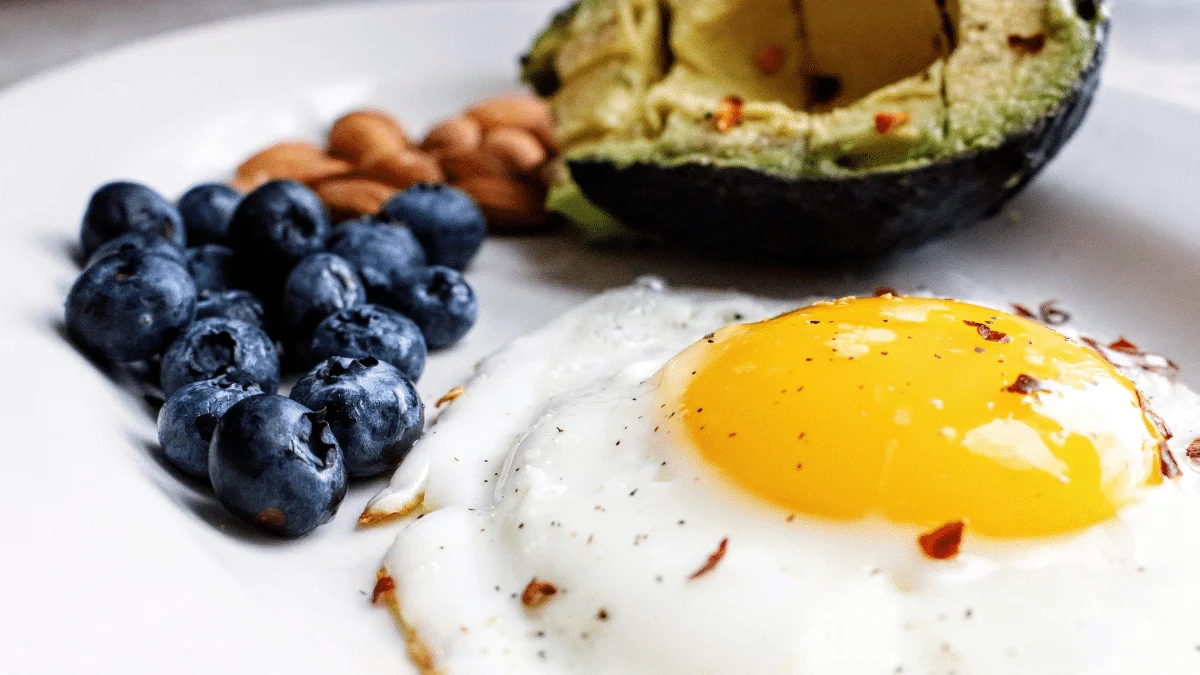
For generations, society has fed us a steady diet of conflicting absolutes regarding breakfast. From the childhood refrain delivered across kitchen tables urging us to "eat your breakfast so you have energy" to modern fitness influencers on social media oscillating wildly between declaring the morning meal the absolute cornerstone of daily health or an unnecessary obstacle to wellness, the discourse has rarely been objective.
Today, against the backdrop of modern dietary trends like intermittent fasting, the "one meal a day" phenomenon, and an ecosystem driven by short-form content algorithms, intense debate persists. Fitness enthusiasts and casual gym-goers alike continue to question whether breakfast is a vital metabolic requirement or simply a matter of personal preference. But does consuming a morning meal actually improve training performance or body composition, or is it largely a matter of psychological comfort and habit?
A recent narrative review published in the scientific literature has attempted to tackle this exact question, offering a fresh look at how pre-exercise nutrition and meal timing influence our physical capabilities and physiological outcomes. To properly evaluate these findings, experts note that a narrative review functions essentially as a peer-reviewed blog post, sitting relatively low on the formal hierarchy of scientific evidence. Unlike systematic reviews or meta-analyses, authors of narrative reviews possess the discretion to include studies of their choosing while omitting others. Nevertheless, when approached with appropriate critical due diligence, these reviews still offer valuable insights into the broader body of literature surrounding a given topic.
Delving into the findings, the reviewers observed that when exercise sessions extend beyond sixty minutes, pre-exercise feeding can indeed offer a tangible advantage. This holds true predominantly for morning workouts, as well as for certain evening training sessions where breakfast was omitted earlier in the day, typically resulting in small, measurable performance increases. However, the intersection of nutrition, performance, and psychology reveals fascinating nuances. For instance, existing scientific evidence demonstrates that placebo breakfasts—meals containing absolutely no actual calories or carbohydrates—can still improve endurance performance relative to water-only conditions during short-term, sub-sixty-minute cycling efforts. Interestingly, this psychological or physiological placebo effect does not appear to translate to longer-duration exercises, where actual caloric and macronutrient substrate utilization becomes paramount.
When shifting the focus to acute resistance training outcomes, parallels emerge with previous research comparing training in a fasted versus a fed state. Lifting weights in a fasted state during morning hours can frequently result in a slight decrement, manifesting as fewer repetitions performed on the first one or two sets of an exercise. Crucially, however, this deficit tends to dissipate without having a major detrimental effect on subsequent sets within the same workout session.
Mirroring the phenomena observed in endurance research, the literature also points to evidence that a placebo breakfast can successfully mitigate some of those early-set performance drops. This points directly to the profound psychological effects that breakfast commands, particularly given its deeply ingrained cultural status as a symbol of vitality and readiness. When examining long-term outcomes, however, breakfast fails to emerge as a game-changing variable for individuals seeking to build strength or pack on muscle mass. As long as overall daily protein and calorie targets are met adequately and training is conducted in a generally fueled state, the exact timing of the first meal loses much of its presumed potency. In fact, some data indicates that training in a fasted state can occasionally align with comparable or even greater strength gains, while overall muscle hypertrophy outcomes remain largely unaffected by whether one breaks their overnight fast before hitting the gym.
The domain where skipping breakfast does play a more discernible role involves the management of overall body weight under free-living conditions. The authors of the review noted that individuals frequently consume fewer total calories across the course of a day when they skip their morning meal. However, researchers emphasize that this reduction is very likely the straightforward result of consuming fewer overall feeding opportunities, rather than the product of some specialized metabolic mechanism unique to skipping breakfast. Furthermore, previous research investigating the impact of concentrating the majority of one’s daily caloric intake earlier or later in the day has consistently found no statistically significant differences in ultimate body composition outcomes. The only minor caveat is that late-night eating patterns can sometimes lead to heightened subjective feelings of hunger.
In everyday, free-living conditions, consuming a substantial breakfast may simply serve as a practical behavioral tool for some individuals to manage their appetite, enabling them to naturally regulate and reduce their food intake throughout the remainder of the day. Ultimately, provided an individual is actively monitoring their energy intake, the presence or absence of breakfast is unlikely to make a dramatic difference in their body composition journey.
This collective body of evidence suggests that breakfast is perhaps not something that warrants excessive overthinking, though it certainly merits deliberate consideration regarding how it fits into an individual’s daily routine and lifestyle preferences. For some people, incorporating a balanced morning meal serves as an efficient method to hit several nutritional benchmarks early in the day—such as securing adequate fiber and protein—allowing them to tackle their daily responsibilities without constantly fretting over meal planning as the hours progress. For others, bypassing breakfast altogether frees up valuable caloric and practical space, making a satisfying family dinner later in the evening a much more sensible and enjoyable approach to nutrition management.
When it comes to preserving training quality and protecting precious muscle gains, ensuring that one does not train while feeling overly hungry or depleted remains a straightforward, educated strategy, entirely independent of whether breakfast is part of the daily routine or left off the table entirely.