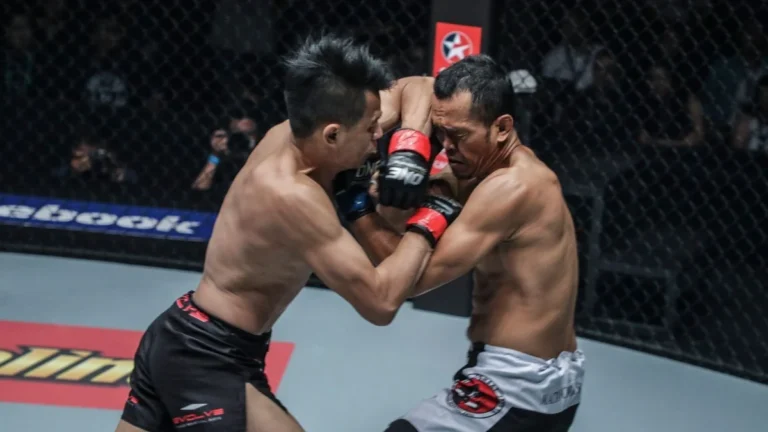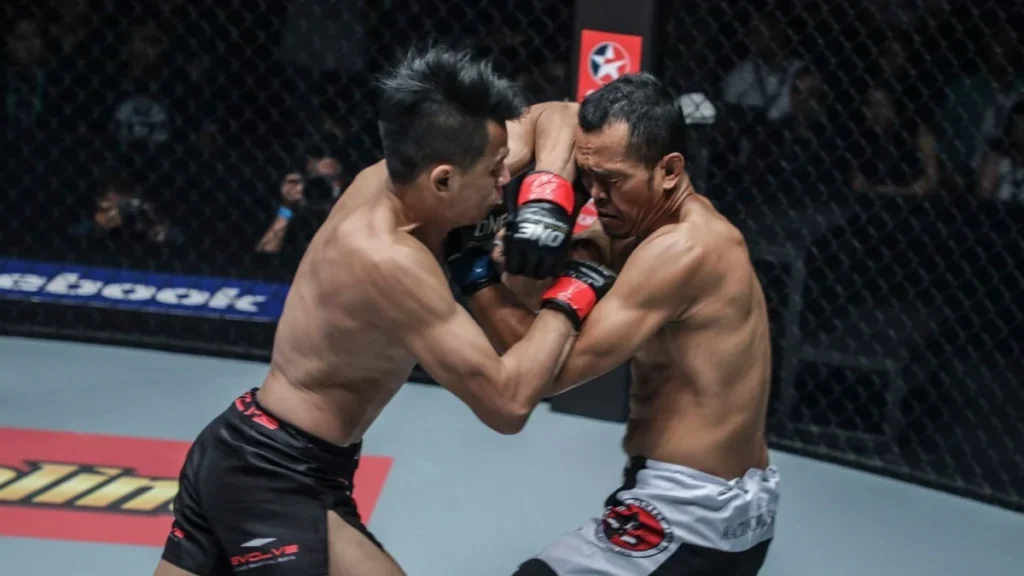



Martial arts stands as a broad and fascinating field, encompassing a wide array of distinct disciplines, each defined by its unique history, philosophy, and technical execution. Whether an individual is a seasoned practitioner with years of mat time or a complete beginner just starting out on their journey, gaining a solid understanding of the different types of martial arts can prove invaluable when choosing a style that aligns with personal goals and physical preferences. From striking-based arts like boxing and Muay Thai to grappling-focused systems such as Brazilian Jiu-Jitsu and Judo, every martial art offers something distinctive to those who train. Examining the various categories of martial arts and their standout examples reveals the rich depth of this global athletic landscape.
Striking Martial Arts
Striking martial arts focus heavily on the use of punches, kicks, elbows, knees, and other physical weapons to deliver powerful, calculated attacks to an opponent. These combat disciplines place a heavy emphasis on distance management, timing, and speed, with practitioners frequently engaging in dynamic stand-up exchanges.
Each of these striking arts offers its own distinct interpretation of impact, yet they all share the same fundamental objective: to incapacitate or score decisively over an opponent using physical strikes. The training methodologies require sharp reflexes, cardiovascular endurance, and precise coordination, making them popular choices for athletes interested in both competitive sports and rigorous stand-up conditioning.

Grappling Martial Arts
In sharp contrast to striking-based arts, grappling martial arts focus primarily on close-range combat, placing a profound emphasis on throws, takedowns, joint locks, and ground control. Rather than relying on concussive blows, the core objective in grappling is to subdue an opponent through superior leverage, positioning, and submission holds.
Grappling arts inherently teach control, patience, tactical strategy, and an intimate understanding of human biomechanics. Because practitioners must constantly solve physical problems under pressure while in direct body-to-body contact, these disciplines are frequently favoured by individuals who prefer close-contact combat and intricate problem-solving on the ground.
Hybrid Martial Arts
Hybrid martial arts bridge the gap by seamlessly combining elements from both striking and grappling disciplines, rendering them exceptionally versatile and effective across a wide variety of combat scenarios. These multi-disciplinary fighting styles have surged in popularity alongside the growth of modern combat sports competitions, including Mixed Martial Arts (MMA), where contemporary fighters must be thoroughly well-rounded across all ranges of combat to achieve sustained success.

Hybrid martial arts grant practitioners the capacity to adapt fluidly to any situation that may arise during a bout. By offering a calculated balance between standing striking and mat-based grappling, these systems maximize overall combat effectiveness and have fundamentally reshaped the modern approach to athletic martial arts training.
Traditional Martial Arts
Traditional martial arts carry legacies that have been practiced, refined, and passed down for centuries, frequently incorporating a powerful philosophical, cultural, or spiritual component into their daily practice. These styles are traditionally viewed as much more than a collection of effective combat techniques; they function as complete ways of life that actively promote deep discipline, mutual respect, continuous self-improvement, and mental fortitude.
While these traditional disciplines may not occupy the same high-visibility space in modern commercial combat sports as hybrid or pure striking arts, they retain immense cultural and historical significance. They continue to offer practitioners a holistic approach to physical self-defence and lifelong personal growth, emphasizing internal development alongside physical execution.

Choosing the Right Martial Art for You
With such a vast array of martial arts disciplines available, deciding which path to pursue can initially feel overwhelming for newcomers. Prospective students must carefully evaluate what they ultimately hope to achieve through their training—whether their primary motivation is physical fitness, practical self-defence, competitive sport, or internal personal growth.
High-energy, fast-paced striking arts like boxing or Muay Thai often appeal directly to those who enjoy intense cardiovascular conditioning and rapid stand-up exchanges. Conversely, individuals who find themselves drawn to the cerebral nature of grappling, leverage, and ground control may lean toward Brazilian Jiu-Jitsu or Judo. Those seeking a comprehensive, all-encompassing balance of both worlds frequently gravitate toward hybrid disciplines like MMA or Sambo. Ultimately, the most suitable martial art is always the one that directly aligns with an individual’s personal ambitions and keeps them consistently motivated to return to the gym.
Understanding the broad spectrum of martial arts is the vital first step toward discovering the style that fits an individual best. From the dynamic, devastating strikes found in Muay Thai and Karate to the intricate, positional chess match of BJJ and Judo, each discipline delivers a distinct set of physical and mental benefits. Whether the goal is to radically improve general fitness, acquire reliable self-defence skills, or test oneself in high-level competition, martial arts provide a remarkably diverse array of paths to explore.