

Over the years, the landscape of combat sports and martial arts has evolved dramatically, reflecting changing attitudes toward physical conditioning, competition, and self-defense. Traditional martial arts possess a long, storied history deeply rooted in philosophy, discipline, and time-honored techniques passed down through generations. In contrast, modern Mixed Martial Arts (MMA) represents a synthesis of various fighting styles engineered specifically for real-world combat efficiency and athletic competition.
The ongoing debate comparing traditional martial arts to MMA frequently surfaces whenever practitioners, analysts, and enthusiasts discuss which approach holds structural or practical superiority. However, a closer examination reveals that the reality is far more nuanced than a simple binary choice. Each system offers distinct pathways for physical development, mental fortitude, and tactical application, making the comparison less about absolute supremacy and more about individual alignment with personal goals.
To understand the modern combat landscape, one must explore the fundamental differences between traditional martial arts and MMA, examining how their philosophies, techniques, training methodologies, and competitive structures shape the experiences of those who step onto the mat or into the cage.
The Philosophical Foundations
One of the most significant distinctions between traditional martial arts and MMA lies within their underlying philosophical frameworks. Traditional disciplines—such as Karate, Kung Fu, and Taekwondo—frequently place a profound emphasis on personal development, moral discipline, and profound respect for instructors, peers, and opponents alike. Many of these traditional systems carry deep cultural or spiritual significance, functioning as holistic ways of life that teach ethical values extending far beyond physical combat.
For example, within traditional Karate, practitioners adhere to a strict code of ethics that incorporates principles such as honor, humility, perseverance, and self-control. Similarly, the foundational philosophy of Judo extends well beyond practical self-defense, prioritizing mutual welfare, benefit, and continuous personal growth. Within these environments, moral and philosophical development are regarded as being just as vital as physical execution.
In stark contrast, MMA represents a more contemporary development that prioritizes real-world effectiveness, adaptability, and athletic performance. Modern MMA fighters train with the primary objective of achieving victory within competitive arenas, readily adopting and synthesizing techniques derived from multiple distinct disciplines, including Western boxing, Brazilian Jiu-Jitsu, Muay Thai, and collegiate or freestyle wrestling.
While core values such as discipline, sportsmanship, and respect remain essential within professional MMA gyms, the prevailing emphasis rests heavily on practical athletic execution, tactical problem-solving, and functional efficiency rather than ancient philosophical teachings or spiritual dogma. Ultimately, choosing between a traditional system and MMA often hinges on whether an individual seeks a holistic, culturally rich, and philosophical approach to personal growth or a rigorous sport that prioritizes immediate combat effectiveness.
Techniques and Fighting Styles
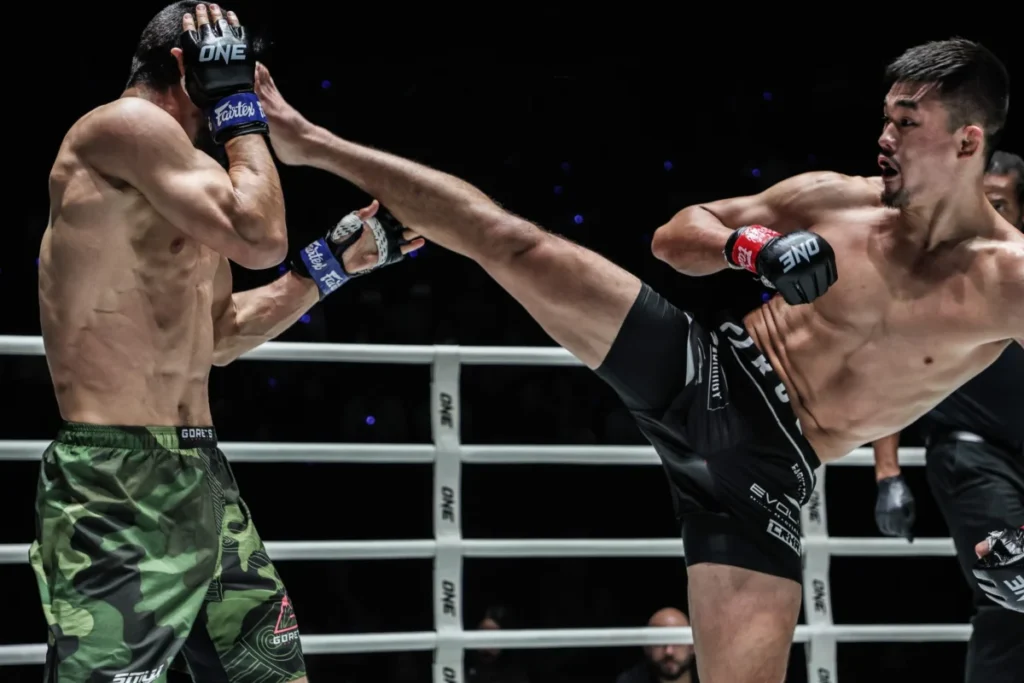
When comparing the technical repertoires of traditional martial arts and MMA, the differences in fighting styles are striking. Traditional martial arts are frequently characterized by formalized stances, set movement patterns known as katas or forms, and highly prescribed techniques practiced in isolation. For instance, disciplines like Karate and Taekwondo focus heavily on striking, placing a premium on precise, explosive high kicks and direct punches. Kung Fu is widely recognized for its visual fluidity and diverse range of rapid strikes, intricate blocks, and dynamic movements that frequently imitate the defensive and offensive traits of various animals.
Traditional systems typically encourage the perfection of individual techniques over extended periods of time. This meticulous refinement is generally cultivated within a controlled environment, where live, unrestricted sparring is often minimized during the early stages of a student’s development. While these traditional techniques can possess remarkable aesthetic beauty and undeniable localized effectiveness, critics frequently argue that they can become overly rigid when measured against the fluid, unpredictable, and dynamic nature of modern combat.
Conversely, the defining hallmark of MMA is absolute versatility and cross-disciplinary adaptability. Modern fighters must train extensively across multiple domains—incorporating striking, wrestling, the clinch, and intricate ground submissions—with the understanding that these skills must be deployed interchangeably depending on how a fight unfolds. MMA athletes are required to be thoroughly proficient in both upright striking ranges and complex ground-based grappling exchanges. The ability to transition seamlessly from a high-impact striking combination to a dynamic takedown makes MMA a significantly less stylised and far more unpredictable form of combat.
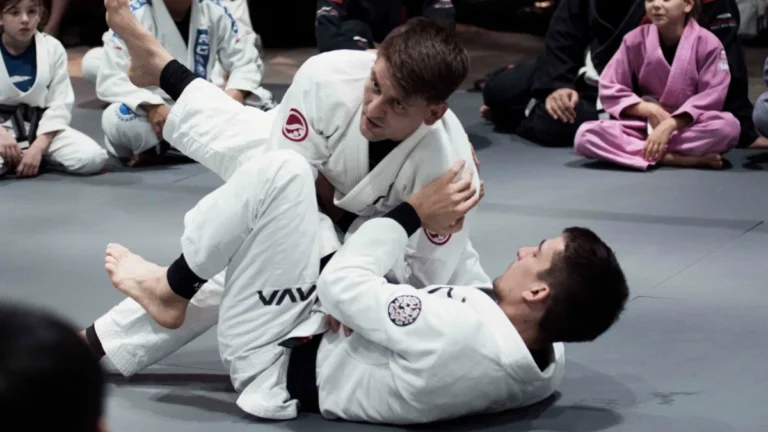
MMA techniques are deliberately engineered to be practical and reliable under severe competitive pressure. Rather than seeking mastery within a single isolated style, MMA competitors are encouraged to hybridize elements from a spectrum of martial arts. For instance, a typical modern fighter might utilize Muay Thai for long- and short-range striking, freestyle wrestling for securing advantageous takedowns, and Brazilian Jiu-Jitsu for positional control and submission holds, effectively combining the most efficient tools for every conceivable phase of combat.
This technical divergence means that prospective practitioners must carefully weigh whether they wish to achieve deep specialization within a single, distinct discipline or prefer the expansive flexibility that comes with cross-training across multiple combat arts.
Training Methods and Sparring
Another major point of divergence in the traditional martial arts versus MMA discussion is the structural organization of training regimens. Traditional martial arts typically place a heavy emphasis on formal postures, rigorous technique drills, and repetitive katas. These pre-arranged movements are designed to mimic combat situations, building essential muscle memory, discipline, and technical precision. However, these structured drills do not always translate smoothly into chaotic, live combat scenarios where an opponent is actively resisting every movement.
Sparring within traditional martial arts is generally controlled, technical, and restricted to light or medium contact. This is particularly true in disciplines like point-fighting Karate or Olympic-style Taekwondo, where practitioners adhere to strict rulesets designed to prevent severe injury. While this controlled approach allows students to build confidence and refine mechanical execution, it frequently lacks the visceral intensity, physical fatigue, and unpredictability characteristic of an authentic confrontation.
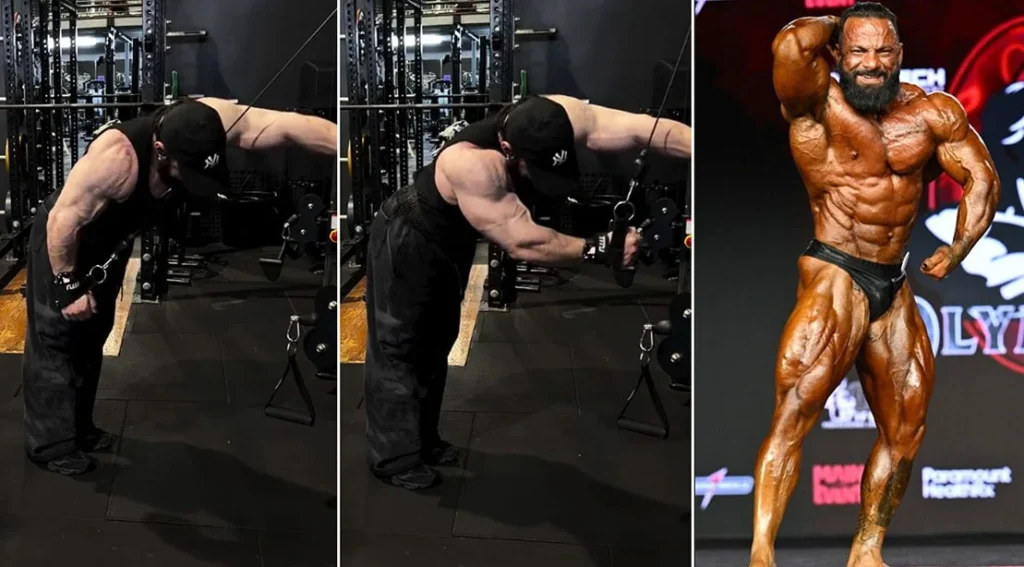
In contrast, the architecture of MMA training revolves heavily around live sparring, situational wrestling rounds, and high-intensity sparring drills that simulate the grueling conditions of a professional fight as closely as possible. MMA training camps routinely feature full-contact sparring sessions that prepare athletes for the immense physicality, psychological pressure, and cardiovascular demands of actual competition. Consequently, training schedules are intensely physically demanding, placing an equal premium on cardiovascular conditioning, muscular strength, and functional endurance alongside technical mastery.
Furthermore, MMA athletes must train extensively in real-time tactical transitions, learning how to move fluidly between striking ranges, defensive wrestling, and submission attempts without hesitation. This comprehensive preparation equips fighters with a broad, highly adaptable skill set capable of functioning under duress, both inside the athletic cage and in unpredictable external environments.
For individuals navigating the decision between these training methodologies, the choice often comes down to personal preference regarding physical intensity and risk tolerance. Those who favor a structured, measured, and lower-impact environment frequently gravitate toward traditional martial arts, while individuals seeking full-contact engagement and dynamic, high-intensity sparring often find that MMA delivers a far more realistic athletic experience.
Competition and Practical Application
When examining competitive environments, traditional martial arts tournaments and modern MMA events operate under vastly different philosophies and rulesets. Traditional competitions frequently enforce strict regulations that limit the scope of permissible techniques. For example, in many Karate or Taekwondo championships, competitors are awarded points based on the speed, precision, and controlled execution of their strikes, rather than the concussive force or physical damage inflicted upon an opponent.
In stark contrast, high-level MMA competitions—exemplified by organizations like the Ultimate Fighting Championship (UFC)—operate under much broader unified rulesets, permitting a comprehensive array of techniques drawn from diverse martial lineages. Inside the MMA cage, competitors are free to utilize punches, kicks, elbows, knees, wrestling takedowns, and complex joint locks or chokes, operating under significantly fewer stylistic restrictions. The ultimate objective extends far beyond accumulating numerical points; fighters aim to definitively incapacitate their opponent through decisive strikes or forcing a submission. This uncompromising, full-contact approach makes modern MMA exceptionally well-suited for athletes looking to test their physical capabilities in an unscripted, high-stakes environment.
Additionally, martial arts analysts frequently debate the real-world self-defense utility of each approach. Proponents of MMA argue that its emphasis on live resistance, full-contact sparring, and pressure-tested grappling makes its techniques inherently more reliable in modern self-defense scenarios. While traditional martial arts certainly impart valuable awareness, coordination, and defensive capabilities, critics contend that certain rigid techniques may prove difficult to execute successfully against an aggressive, resisting assailant in an unstructured street encounter.
Ultimately, anyone evaluating the two pathways must decide whether they prefer a competitive arena centered on formal precision, aesthetic control, and traditional discipline, or one that values unscripted versatility and proven real-world combat efficiency.
Choosing the Right Path
Deciding whether to pursue traditional martial arts or modern MMA ultimately depends upon an individual’s specific personal goals, physical ambitions, and lifestyle preferences. For those drawn to a practice deeply embedded in historical culture, philosophical inquiry, and structured discipline, traditional martial arts provide a deeply fulfilling and enduring experience. The steadfast focus on personal development, ethical codes, and technical mastery is exceptionally well-suited for practitioners who value the art form as a lifelong pursuit extending far beyond athletic combat.
Conversely, individuals whose primary motivation is to develop comprehensive athletic versatility, functional conditioning, and a well-rounded fighting repertoire often find that MMA represents a more fitting path. The cross-disciplinary training model allows practitioners to synthesize the most efficient techniques from a wide variety of combat sports, fostering high levels of adaptability across diverse physical scenarios.
Both traditional martial arts and modern MMA offer substantial physical and mental benefits, meaning there is no single definitive answer regarding which approach is inherently superior. The final decision rests entirely on what an individual hopes to achieve through their martial arts journey, whether that aspiration is rooted in the cultivation of self-discipline, the preservation of cultural tradition, or the pursuit of practical combat effectiveness.