
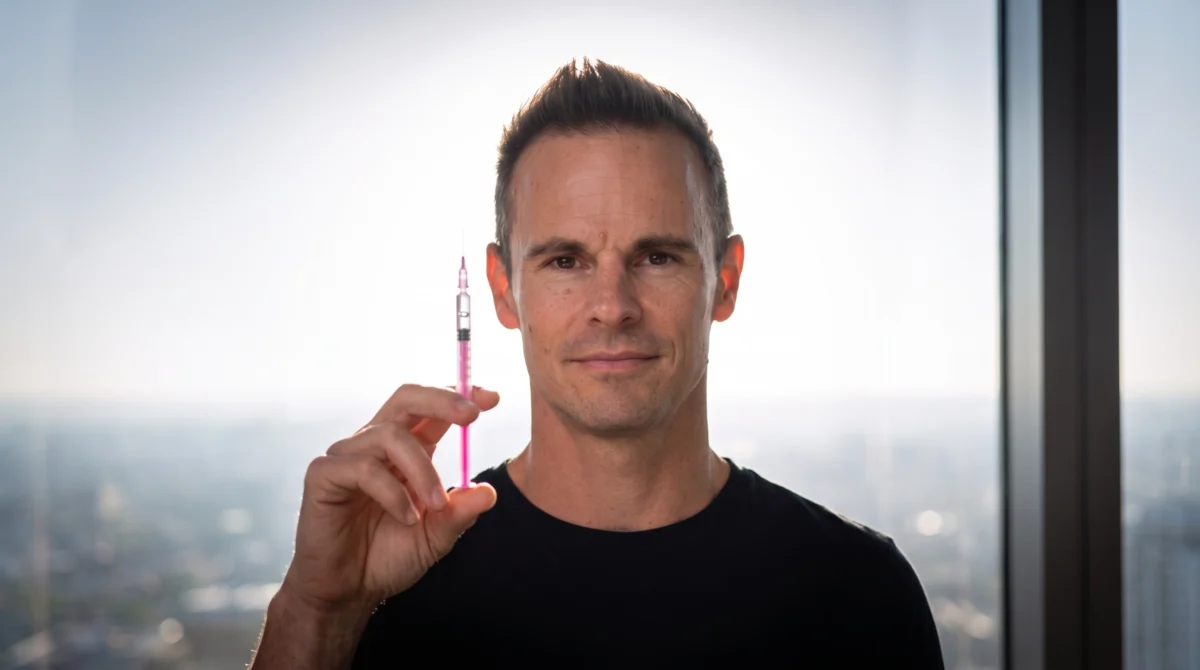
For many men entering their fourth decade, the subtle creeping of chronic fatigue, declining motivation, and diminished physical recovery is often brushed off as a normal byproduct of aging, stress, or demanding careers. However, for 41-year-old Tyler, that persistent lethargy signaled something deeper. His decision to investigate his symptoms ultimately launched a 16-month journey with testosterone replacement therapy (TRT), a medical intervention that transformed his physical and mental well-being while introducing unexpected hurdles that highlight the complex nature of long-term hormone optimization.
Tyler’s story offers an unfiltered look at what truly happens when a patient transitions from baseline testosterone levels hovering just above 300 ng/dL—significantly below optimal ranges for a man in his early forties—to a therapeutic level exceeding 1,300 ng/dL. While the benefits proved dramatic, ranging from accelerated muscle recovery and heightened daily energy to a restoration of sexual vitality, the path forward required careful medical navigation, dosage adjustments, and an honest reckoning with the trade-offs inherent in exogenous hormone use.
Why Tyler Started TRT: The Turning Point
The turning point for Tyler arrived during a quiet moment of profound physical exhaustion. Lying on his couch, he felt a crushing lethargy, an absence of motivation, and a distinct sense of detachment from the energetic person he felt he should be. Knowing instinctively that something was medically amiss, he listened to the experiences shared by his brother and peers who had already explored hormone optimization. Motivated by their positive reports, Tyler scheduled a consultation at a local clinic to evaluate his hormone panels.
The laboratory results confirmed his suspicions. His total testosterone registered just above 300 ng/dL, placing him on the lower end of the clinical reference range and far below what was optimal for his physical activity and age. Remembering that period, Tyler noted that he simply lacked energy and felt physically slow. Feeling disconnected from his own identity and vitality convinced him to move forward with prescribed medical intervention.
The Rocky Start: 200mg Weekly Dose
Tyler’s initial treatment protocol began with an aggressive regimen: 200mg of testosterone administered weekly via intramuscular injection. This dosage, as he later learned, was a standard starting protocol handed out routinely by the attending physician to incoming patients. However, the introduction of such a substantial amount of synthetic hormone proved overwhelming for his physiology.
The high initial dose rapidly catapulted his total testosterone levels well past 1,300 ng/dL. While the biochemical shock wave delivered an immediate and exhilarating surge in mood, libido, and baseline energy, it simultaneously triggered severe physiological side effects. Tyler recalled that the high dose caused significant turmoil within his body, noting his ongoing surprise that such an aggressive protocol was administered so liberally to new patients.
Chief among these early complications was a severe flare-up of back acne reminiscent of his adolescent years, presenting a frustrating cosmetic hurdle for someone actively working to improve his physical appearance and self-confidence. More concerning, however, was the impact on his cardiovascular markers. A subsequent review of his lab work with a nurse practitioner revealed that his red blood cell count had spiked dangerously high under the 200mg weekly protocol. When paired with his naturally elevated blood pressure, this created a legitimate cardiovascular risk factor that demanded immediate intervention.
Finding the Sweet Spot: Split Dosing Protocol
Recognizing that the once-weekly massive bolus injection was unsustainable and potentially hazardous, Tyler took a proactive approach to managing his health by collaborating with medical guidance to alter his delivery schedule. He transitioned from a single weekly injection to a split dosing protocol consisting of 50mg administered every Monday and Friday, bringing his total weekly volume down to a more manageable 100mg.
This adjustment yielded immediate stabilization. By dividing the dose, Tyler effectively eliminated the hormonal peaks and valleys—the roller-coaster effect of high highs and low lows—that characterize less frequent administration schedules. His hormone levels remained steady throughout the week, which successfully mitigated the harsh physical side effects he had initially encountered. His persistent back acne regressed substantially, and his vital cardiovascular blood markers returned to safer, clinically acceptable ranges. Opting for intramuscular injections over topical gels and creams also allowed him to maintain precise control over his dosage, avoiding the unpredictable skin absorption rates often associated with transdermal applications.
Energy and Motivation: The Immediate Benefits
Within the first month of establishing his optimized protocol, Tyler experienced a profound shift in his day-to-day energy reserves. While many patients experience a gradual, cumulative onset of TRT benefits over several months, Tyler reported an almost instantaneous revitalization. The chronic brain fog and debilitating fatigue that had previously anchored him to the couch lifted, replaced by a mental sharpness and drive that he likened to his college years.
This restored baseline energy translated directly into greater daily productivity and a renewed enthusiasm for his responsibilities and personal goals. Even on days when scheduling conflicts forced him to skip his physical training sessions, his baseline vitality remained robustly elevated compared to his pre-treatment baseline.
Strength and Muscle: Dramatic Physical Changes
Physically, Tyler maintained a structured training regimen built around a traditional bodybuilding split, alternating between chest, shoulders, and triceps; back and biceps; and legs on separate days, followed consistently by thirty minutes of incline treadmill walking. His weekly routine typically involved two to three days of intense exertion followed by a dedicated rest day.
Over an intensive eight-week training block, these training habits combined with optimized testosterone levels to yield remarkable strength progression and accelerated muscle memory. However, Tyler remains quick to emphasize that testosterone replacement therapy is not a standalone miracle cure. During periods when back injuries temporarily forced him to halt his training, he experienced body fat accumulation despite remaining compliant with his testosterone injections. The therapy serves to enhance recovery times and preserve lean tissue, but it cannot override the foundational requirements of proper nutrition, caloric management, and disciplined physical training.
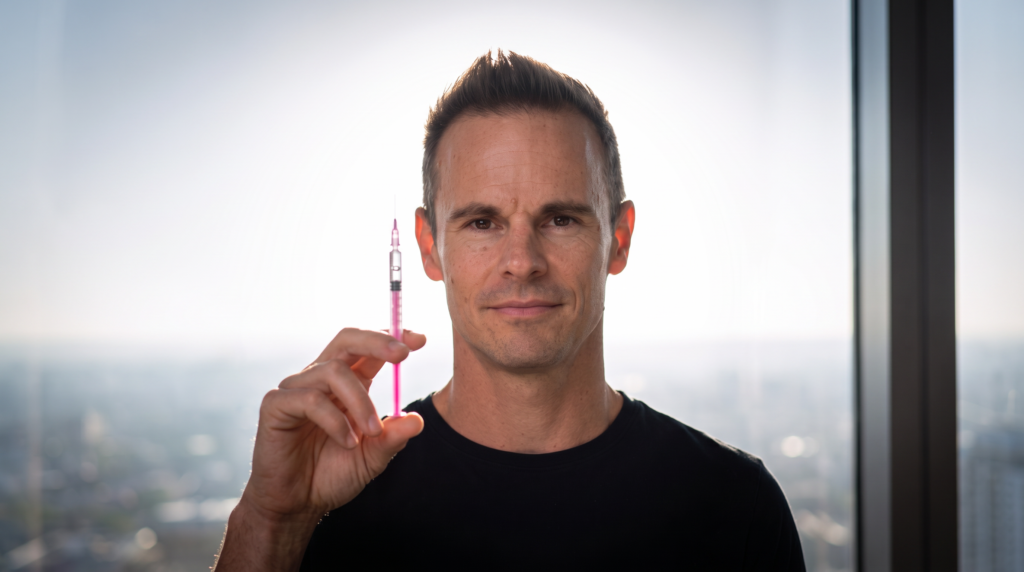
The visual transformation in his body composition became the most apparent marker of success. Tyler developed a pronounced V-taper physique characterized by a reduced waist circumference, increased muscle volume, and emerging abdominal definition. Because TRT enhances the body’s ability to preserve muscle mass while operating within a caloric deficit, he was able to achieve aesthetic improvements in two months that would have been exceptionally difficult to secure naturally at his age.
Libido and Sexual Function Improvements
Prior to initiating treatment, Tyler’s low testosterone levels had contributed to diminished sexual desire and occasional erectile difficulties, issues that naturally impacted his self-assurance and relationship dynamics. Following the stabilization of his hormone levels, these symptoms receded entirely.
The return of consistent morning erections and a restored baseline of sexual function significantly enhanced his confidence. Tyler points out that unlike acute pharmaceutical interventions such as phosphodiesterase inhibitors, TRT does not act as an on-demand medication; rather, it restores natural physiological function by reestablishing a healthy hormonal foundation, provided it is supported by adequate sleep, effective stress management, and overall physical health.
Mood, Confidence, and Mental Effects
The convergence of physical gains, restored sexual health, and elevated energy created a powerful psychological feedback loop. Having consciously worked earlier in life to maintain a positive and proactive outlook, Tyler found that TRT amplified his optimistic temperament. Witnessing his physical transformation and experiencing improved daily vitality reinforced a deep sense of personal agency and control.
This psychological uplift translated into a heightened focus on self-improvement, professional drive, and general life satisfaction. The only notable exception to this mental clarity, he joked, was his enduring susceptibility to everyday traffic frustrations while navigating the roads of Utah—proving that hormone optimization does not entirely immunize a person against modern commuting irritations.
The Downsides: Real Consequences of TRT
Despite the overwhelmingly positive trajectory of his journey, Tyler remains transparent about the genuine trade-offs and long-term commitments required by hormone replacement therapy. While the benefits justify the regimen for him, prospective patients must weigh several significant drawbacks.
The lingering physical reminder of his initial high-dose protocol remains present in the form of mild scarring left behind by the severe back acne breakouts. Although active acne has been largely controlled through split dosing and skin care routines, the residual marks serve as a permanent testament to the dangers of aggressive initial dosing schedules.
More critically, starting exogenous testosterone initiates a physiological feedback loop that suppresses or shuts down the body’s natural hormone production. Tyler underscores that this is not a temporary fix or a cyclical supplement routine, but rather a lifetime commitment. Once synthetic testosterone is introduced, the body largely abandons its own endogenous production, meaning cessation of therapy leads to a significant hormonal drop unless a complex post-cycle recovery protocol is undertaken. This requires ongoing medical oversight, regular blood testing every few months, and the discipline of routine self-injections akin to brushing one’s teeth.
Financial considerations also factor into the equation. In Utah, Tyler reports spending approximately $45 monthly for the medication itself, alongside roughly $50 every four months for comprehensive blood work panels, bringing his annual out-of-pocket medical investment to approximately $690. While manageable for his circumstances, he acknowledges that costs can fluctuate widely depending on geographic location, insurance reimbursement, and the specific concierge or hormone clinic utilized.
Furthermore, testosterone therapy suppresses spermatogenesis, posing direct implications for male fertility. Because Tyler had previously undergone a vasectomy and does not plan to have children, this suppression did not impact his calculations. However, he stresses that younger men or those still considering family planning must thoroughly evaluate this risk and potentially incorporate auxiliary medications like human chorionic gonadotropin to preserve fertility.
Regarding hair thinning, Tyler maintains a full head of hair at 41, noting only minor temporal recession that predated his treatment. In his view, testosterone replacement therapy does not inherently cause premature baldness, but rather accelerates a person’s underlying genetic predisposition. Men with strong family histories of male pattern baldness should therefore carefully weigh the potential for accelerated hair loss before committing to lifetime therapy.
Would He Do It Again? The Final Verdict
When asked if he would make the same decision knowing what he knows now, Tyler’s answer is unequivocal. The comprehensive restoration of his energy, physical strength, body composition, and psychological confidence far outweighs the manageable downsides of cosmetic scarring and a lifelong medical commitment.
For men experiencing similar unexplained fatigue and declining vitality, Tyler advocates for obtaining baseline blood work to establish objective data before making any clinical decisions. His 16-month experience demonstrates that while testosterone replacement therapy can unlock transformative physical and mental improvements, it demands realistic expectations, diligent medical supervision, and an unwavering commitment to the foundational lifestyle habits that sustain long-term health.