

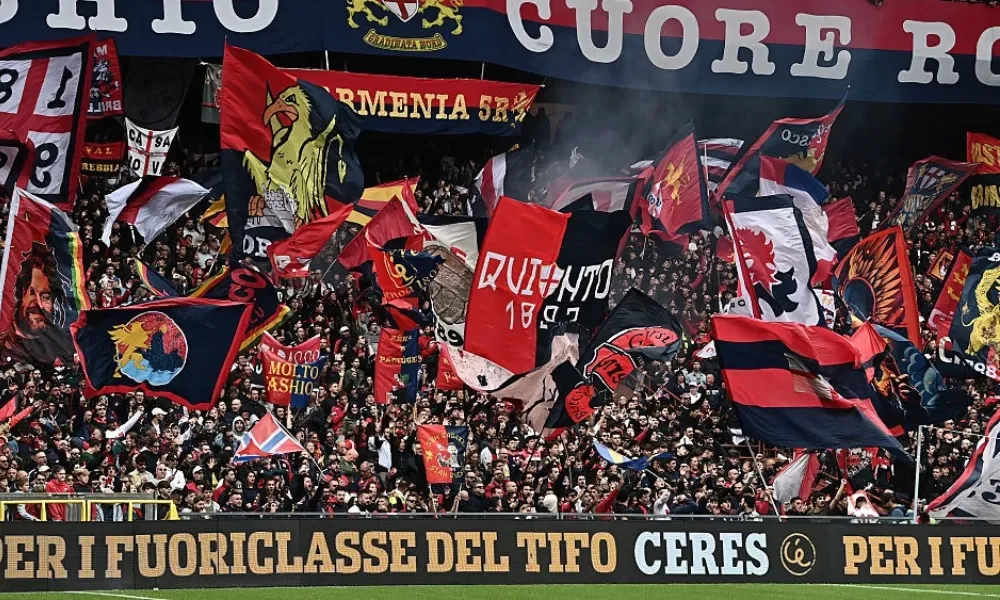
Genoa CFC is looking forward to a vibrant and stable new era under majority owner Dan Șucu, having finally broken free from a turbulent and protracted relationship with A-Cap. A recent, decisive legal victory for the historic Serie A club has brought long-awaited clarity to its ownership structure, effectively opening the door to fresh financial partnerships, renewed institutional trust, and a much more focused, football-centric strategic vision moving forward.
The turning point arrived on 23 June, when a Genoa court officially rejected A-Cap’s legal challenge against the club’s recapitalisation for the third consecutive time. This verdict brought a definitive close to 18 grueling months of intense litigation that had cast a long shadow over the club’s daily operations and boardroom stability. Although A-Cap continues to retain a minority shareholding of approximately 22 percent, Genoa Chief Executive Officer Andrés Blázquez has offered absolute guarantees that the minority stakeholder holds "zero involvement" in the club’s governance, decision-making processes, or future strategic direction.
Reflecting on the grueling courtroom battle, Blázquez emphasized that the judicial outcome not only validated the club’s path but also provided essential vindication for the management team. "It confirmed that the right decision had been made for Genoa’s benefit and validated what we had known all along," Blázquez said. "We moved on from a difficult relationship with a former owner who is now facing several widely publicized investigations in the United States."
The bitter dispute exacted a heavy toll on the Serie A outfit. According to the CEO, the legal wrangling cost the club millions of euros in unnecessary legal fees while simultaneously creating severe operational hurdles in dealings with major financial institutions, commercial partners, and other key stakeholders. However, with Romanian businessman Dan Șucu firmly established as the majority owner since December 2024, Genoa is now aggressively pivoting toward improving its overall financial position, strengthening its market credibility, and actively courting new strategic partners, all without the debilitating uncertainty that plagued its previous ownership structure.
Blázquez noted that Șucu’s arrival fundamentally changed the trajectory of the club from day one. "From the moment Mr Șucu came on board, the legal implications were never in question, as he had a clear vision for Genoa and a well-defined purpose behind his investment," the CEO affirmed.
Șucu’s commitment to the club has been absolute from the outset, having stepped forward to invest at a time when the historic business was teetering close to the brink of bankruptcy. With the ownership battle now settled in the courts, the primary operational priority for the board is to continue steadily strengthening the balance sheet, dramatically improving the club’s long-term financial health, and maintaining robust, consistent investment in the playing squad to ensure competitiveness in Italy’s top flight.
Beyond the boardroom and the balance sheets, however, A-Cap’s heavy-handed involvement carried a profound sporting cost that arguably stunted the team’s growth on the pitch. Blázquez revealed that the previous ownership’s interference led to missed opportunities to secure high-profile talent on highly favorable terms. Notably, the club was forced to pass up opportunities to sign full-back Djed Spence for a modest fee of €7 million, as well as seasoned goalkeeper David de Gea on a lucrative yet enticing free transfer, after proposals were summarily blocked under the former ownership setup.
"A-Cap said: ‘He is an old-style goalkeeper; we shouldn’t get him,’" Blázquez revealed, illustrating the disconnect between sporting necessities and corporate oversight during that era.
The CEO went even further, disclosing that rising star Mason Greenwood had also been offered to the club at a juncture when his market valuation still held the potential to rise exponentially. Blázquez estimates that, due to non-football executives exercising vetoes and influencing sporting decisions without a proper understanding of the game, Genoa may have missed out on an astonishing €70 million to €80 million in potential player trading value.
"We weren’t able to make decisions based on sporting considerations. Those situations would have been different if Mr Șucu had been in control at the time," Blázquez reflected, underscoring the frustration felt by football professionals within the organization during the height of the friction.
For everyone associated with Genoa, the definitive end of A-Cap’s influence represents far more than just the tidy conclusion of a lengthy and expensive legal dispute. It marks a golden opportunity to comprehensively rebuild essential relationships with financial institutions and commercial partners, while ensuring that future sporting decisions are completely aligned with the club’s broader business strategy and ambitions on the pitch.
Empower Sports is a global PR Agency that builds and boosts the brand of clubs, executives, coaches and athletes.