
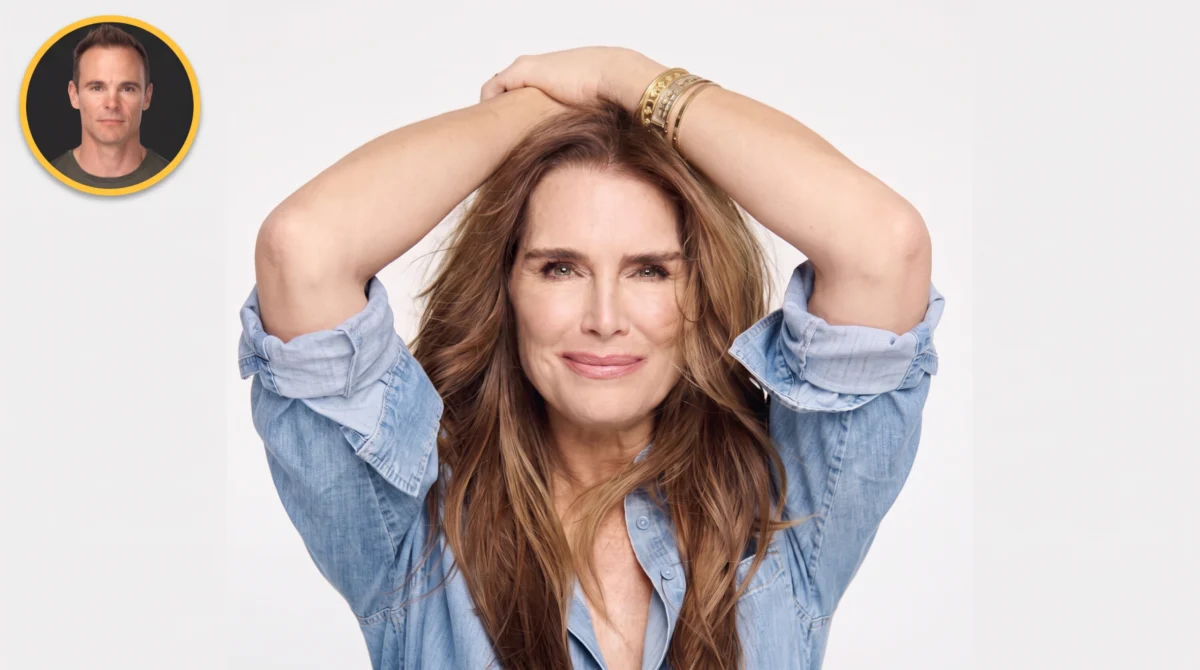
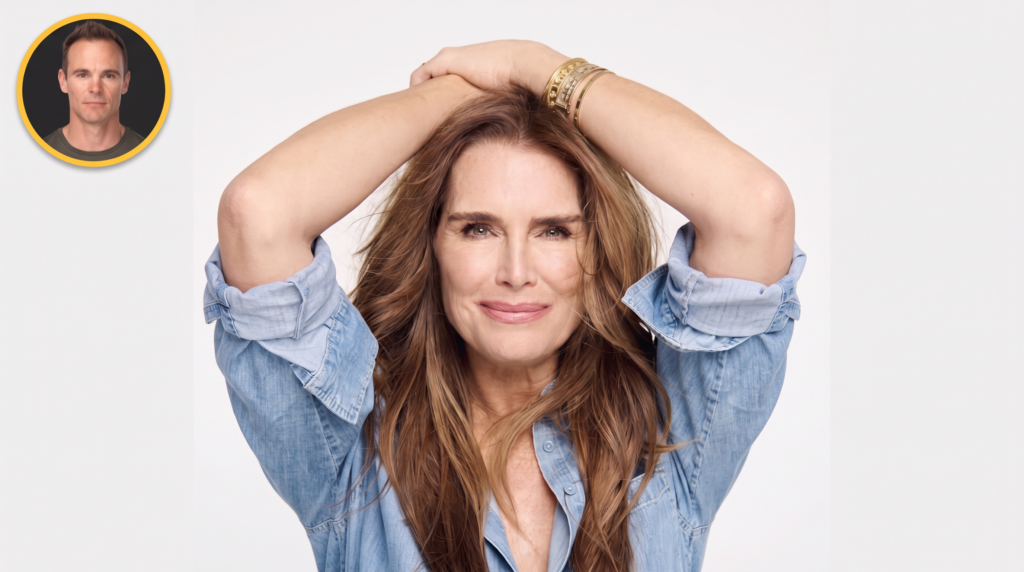
At 61 years old, actor and model Brooke Shields is redefining what it means to stay fit later in life, proving through her own daily regimen that lengthy, punishing hours spent inside a traditional gym are entirely optional when it comes to achieving tangible, lasting results.
In a recent interview, Shields shared the details of a streamlined fitness approach that has completely transformed her body composition, noting that adding just ten minutes of light cardiovascular exercise immediately following her Pilates sessions has yielded remarkable changes in reducing stubborn body fat. Rather than relying on grueling multi-hour training blocks, her current philosophy centers on a balanced combination of low-impact strength work paired with short, heart-pumping bursts of movement. According to the star, this straightforward addition has been instrumental in helping her shift midsection fat, a common area of concern as hormonal shifts and natural aging alter how the body distributes weight over time.
More importantly than the physical transformation itself, Shields has finally cultivated a genuine enjoyment for physical activity, moving away from a punitive mindset and toward an active lifestyle that she looks forward to each day. Speaking to mainstream media outlets, she outlined a fitness evolution that emphasizes consistency, psychological well-being, and respect for her physical limits.
The Ten-Minute Cardio Rule That Changed Everything
Discussing her streamlined fitness strategy with reporters, Shields explained how minimal time investments can still deliver significant visual and internal health outcomes when executed with discipline and purpose.
"That, combined with drinking less, and then doing a cardio of some kind, like a SoulCycle class or a rower with music – do 10 minutes. Even just that, I’ll start to see results," Shields explained.
The underlying philosophy of her routine relies not on sheer intensity or overcomplicated movements, but rather on sustainability and steady repetition. By keeping the cardio portion short and sweet, she avoids the mental fatigue that often causes individuals to abandon workout regimens entirely. Furthermore, Shields has been transparent about how aging alters physical form. She has noted with refreshing candor that while fat distribution once settled differently across her frame in her younger years, time and biological changes have caused it to gravitate more stubbornly toward her midsection. Addressing this shift required a smart, targeted adjustment rather than an exhausting overhaul of her entire daily schedule.
Why Short Cardio Sessions Actually Work
While ten minutes might initially sound like an insignificant duration to make a notable difference in overall health or weight management, exercise science consistently supports the effectiveness of short, high-focus cardiovascular intervals, particularly when integrated thoughtfully alongside resistance training.
When an individual engages in brisk cardiovascular movement following strength work, the heart rate elevates rapidly. This quick spike triggers metabolic responses that can persist long after the physical activity has concluded. Often referred to in fitness circles as the afterburn effect, this phenomenon allows the body to continue expending energy even as a person transitions back to rest.
Pairing a resistance-focused discipline like Pilates with a brief cardiovascular stimulus creates a well-rounded physiological environment. Pilates builds deep core stability, improves posture, and strengthens supporting muscles without placing undue stress on the skeletal system, while cardiovascular movement challenges the heart and lungs, improves overall blood circulation, and accelerates fat oxidation. Furthermore, the brevity of a ten-minute add-on removes the psychological barrier of time constraints, which remains one of the primary reasons people struggle to maintain consistent health habits.
Her Go-To Cardio Choices: Rowing and SoulCycle
Shields maintains her enthusiasm for physical activity by avoiding routines that feel like chores, opting instead for movement forms that feel genuinely engaging and energetic.
Among her preferred methods is rowing, an exercise widely praised by fitness professionals for engaging nearly every major muscle group simultaneously while providing a robust cardiovascular workout. Because rowing is a low-impact activity, it minimizes the jarring shock delivered to weight-bearing joints while still offering an exceptional return on investment regarding calorie expenditure and upper- and lower-body strength development. By pairing her time on the rower with motivating music, Shields finds that the brief ten-minute window passes quickly while keeping her energy levels high.
Alternatively, she incorporates indoor cycling classes such as SoulCycle into her routine. These rhythm-based group sessions provide a similar synergy of cardiovascular challenge and sensory enjoyment. The combination of driving beats, group energy, and structured pacing transforms what could otherwise be a monotonous workout into an invigorating, emotionally uplifting ritual.
The Pilates Foundation: Why Shields Swears By the Nofar Method
Long before stepping onto a rowing machine or hopping on a stationary bike, Shields establishes a strong physical foundation through specialized Pilates training, specifically favoring the classes offered through the Nofar Method.
Her appreciation for this specific discipline is notable, especially considering her historical reservations about the broader fitness genre. "I never liked Pilates before," she admitted.
However, the Nofar approach fundamentally altered her perspective on the practice. She values its intensely specific focus on muscle engagement, noting that sessions routinely leave her thoroughly challenged and dripping with sweat, yet entirely free of the high-impact jolts that could easily aggravate historical injuries. The method places a heavy emphasis on precision, deliberate control, and flowing sequences that test dynamic balance and deep stabilizing strength. For someone who has experienced physical setbacks over decades of an active public life, this low-impact intensity profile proves uniquely ideal. Shields typically attends these classes four to five times a week, frequently blending them with complementary stretching and functional strength routines.
From Punishment to Pleasure: Her Mindset Shift
Perhaps the most profound transformation in Shields’s fitness journey is not found in any single exercise or piece of equipment, but rather in the evolution of her psychological relationship with movement.
As she approached her late fifties, she became acutely aware of how quickly her body could lose conditioning and how much more demanding the process of regaining strength had become. Rather than reacting to these natural biological changes by intensifying her workouts or adopting a punitive training schedule, she consciously pivoted toward a philosophy centered on personal enjoyment and self-care.
"The big thing for me is I’m now finding things that I actually really enjoy doing rather than just beating myself up in the gym so that I can fit into something, because it’s so demoralising to me and it’s so frustrating," she explained.
This fundamental mindset shift is widely recognized by health experts as critical for achieving long-term adherence to any health program. Exercise driven by feelings of guilt, shame, or social obligation rarely stands the test of time. Conversely, movement chosen deliberately for how it makes a person feel—strong, capable, and mentally clear—transforms physical activity into something anticipated with eagerness rather than dreaded as a chore.
In interviews with lifestyle publications, Shields has emphasized that she now evaluates workouts based on her immediate internal experience during the activity itself, rather than solely focusing on a distant aesthetic end goal. Having lived through various physical strains and injuries throughout her career, she recognizes the absolute necessity of tuning into her body’s real-time signals.
"I’ve done a lot of damage to my body. So now, I really put myself in a position to look forward to how I’m going to feel – not just after, but during," she noted.
The Role of Recovery and Listening to Your Body
Shields’s clear preference for low-impact conditioning highlights a broader, wiser understanding of recovery and physical longevity. High-impact sports and heavy lifting routines can certainly produce rapid fitness gains, but they also accumulate wear and tear on joints, tendons, and connective tissues over decades of life. As the human body matures, natural recovery timelines lengthen, and the vulnerability to overuse injuries rises correspondingly.
Selecting workout modalities that challenge the cardiovascular and muscular systems without subjecting the skeletal frame to excessive pounding allows individuals to train consistently without suffering through frustrating interruptions caused by joint pain or structural breakdown. For Shields, who has accumulated her share of physical wear and tear over a lifetime in the public eye, this balanced approach ensures she can maintain an active lifestyle week after week without burning out or experiencing physical degradation.
The Power of Small, Sustainable Changes
Brooke Shields’s current fitness routine serves as a practical blueprint for sustainable, long-term health management. By steering clear of extreme fads and unrealistic physical standards, she has constructed a lifestyle practice that accommodates her schedule, respects her physiological boundaries, and yields steady, incremental progress.
Her experience demonstrates that modest additions—such as appending ten minutes of targeted cardio to an established strength routine, paired with thoughtful adjustments like moderating alcohol consumption—accumulate over time to produce meaningful, visible results. Her journey underscores the vital importance of adapting physical routines as one ages, reminding audiences that strategies effective in earlier decades may require thoughtful modification to support vitality in later life. At 61, Shields stands as a compelling example that maintaining fitness does not require suffering, but can instead remain a deeply rewarding, joyful, and life-enhancing part of daily existence when approached with self-compassion and intention.