


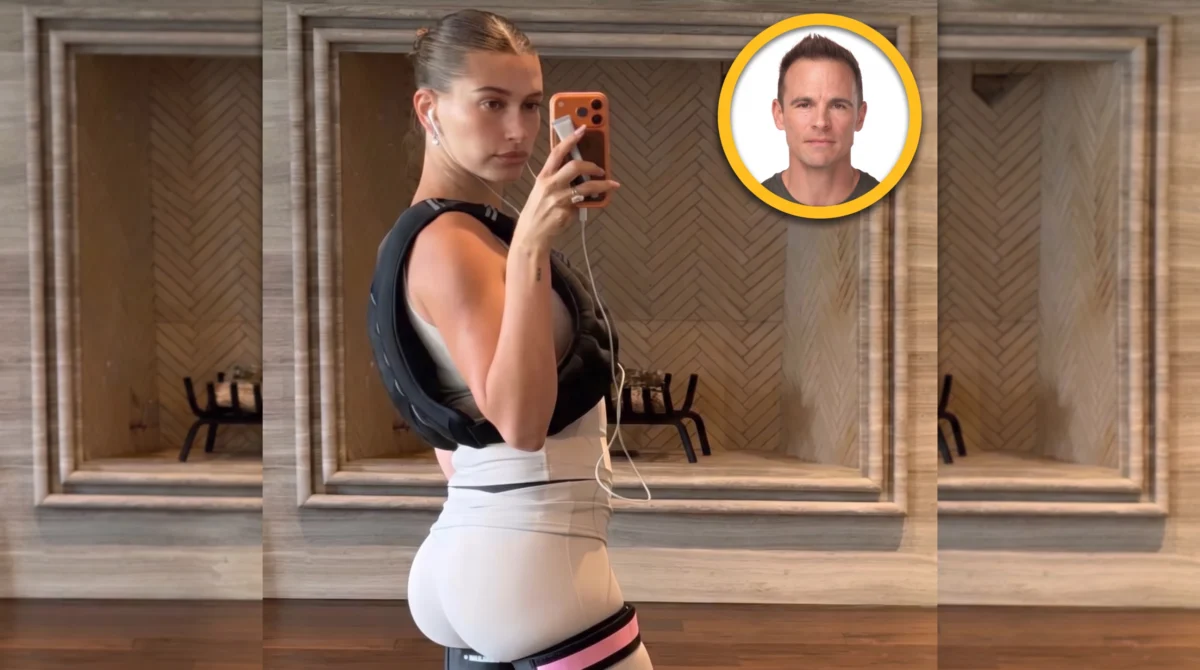
Model and entrepreneur Hailey Bieber recently shared a workout routine that has quickly caught attention across social media, sparking widespread interest in a technique that goes far beyond a typical celebrity fitness fad. In recent training clips, Bieber was spotted with specialized bands wrapped snugly around her thighs, a visual that prompted many fitness enthusiasts to question the purpose of the gear. Far from being a mere aesthetic choice or a random accessory, those bands serve a very specific, scientifically backed purpose. They are Blood Flow Restriction, or BFR, bands, which are engineered to help individuals build muscle mass and strength while using significantly lighter weights than traditional weightlifting requires.
While Bieber’s endorsement has brought the technique into the public eye on platforms like TikTok and Instagram, the method itself is far from new. BFR training has been utilized by professional athletes, physical therapists, and researchers for decades, quietly moving from specialized rehabilitation clinics into high-performance training facilities. However, as the trend gains traction among mainstream fitness enthusiasts eager to replicate celebrity routines, fitness experts are urging caution. Before rushing to incorporate BFR bands into a standard gym regimen, practitioners must understand the underlying physiology, proper safety protocols, and the specific circumstances in which this intense training method should be avoided entirely.
The Japanese Origins of Blood Flow Restriction Training
Despite its recent surge in popularity across social media, Blood Flow Restriction training is not a modern invention dreamed up by contemporary fitness influencers. Its historical roots stretch back to the 1960s in Japan, where a martial artist and researcher named Dr. Yoshiaki Sato developed a protocol that became widely known as Kaatsu training. Dr. Sato’s breakthrough came not from a high-tech laboratory setting, but from an unexpected personal observation during a traditional cultural event.
While sitting in the traditional Japanese seiza kneeling position during a long Buddhist ceremony, Dr. Sato noticed that his calves were going numb due to restricted circulation. This everyday physical sensation sparked years of meticulous personal experimentation and academic research into how deliberately limiting blood flow to the limbs could trigger profound physiological adaptations in skeletal muscle. Over the course of decades, he and his colleagues refined the technique, eventually discovering that carefully restricting venous blood flow while exercising could create metabolic conditions inside the muscle tissue that closely mirror the effects of lifting very heavy loads, even when the actual weight being moved is a fraction of what would normally be required.
How BFR Actually Works Inside Your Muscles
To understand why Hailey Bieber and other athletes use BFR bands, it is necessary to examine the physiological mechanics occurring beneath the skin. The technique involves placing specialized, calibrated bands around the uppermost part of the limbs—positioned just below the shoulders for upper body exercises or high up at the top of the thighs for lower body movements.
Crucially, the goal of BFR training is not to completely cut off blood circulation to the limb, which would be dangerous and act like a makeshift tourniquet. Instead, the objective is to create a precise, partial restriction of venous blood flow, which is the blood returning from the working muscles back to the heart, while still maintaining arterial flow, which delivers oxygen-rich blood from the heart to the muscles.
This specific, controlled restriction causes a rapid depletion of oxygen within the working muscle tissue. As a result, metabolic by-products, most notably lactate, accumulate much faster than they would during standard exercise. The human body interprets this sudden and intense accumulation of metabolic waste as a signal that the muscles are performing extremely demanding, heavy labor, even if the person is only lifting very light dumbbells or performing bodyweight movements. In response to this chemical signaling, the body activates the same metabolic pathways responsible for muscle hypertrophy and the release of growth hormone that it would typically reserve for grueling, high-load resistance training.
Building Muscle With Significantly Lighter Weights
Traditional strength training guidelines have long dictated that to stimulate meaningful muscle growth and strength gains, an individual must lift loads corresponding to roughly sixty to eighty percent of their one-repetition maximum, which is the absolute heaviest weight they can lift for a single repetition. For many people, especially those recovering from injuries, joint pain, or surgeries, lifting heavy loads is simply not an option.
BFR flips this traditional requirement on its head by allowing individuals to achieve comparable muscle hypertrophy using loads as light as twenty to thirty percent of their maximum capacity. For example, an athlete or gym-goer who might normally be required to perform barbell squats with one hundred pounds to stimulate growth could instead use just twenty-five to thirty pounds while wearing properly calibrated BFR bands and still trigger a remarkably similar muscle-building response. This unique dynamic makes the method exceptionally versatile for a wide range of training scenarios.
Key Benefits That Draw Athletes and Rehab Patients Alike
The ability to stimulate muscle growth using lightweight resistance has made BFR a staple in clinical rehabilitation and elite sports training environments for many years. Physical therapists frequently rely on the method when working with patients who have undergone joint reconstructions, ligament repairs, or severe orthopedic injuries. Because the external mechanical load on the joints is drastically reduced, patients can maintain or even build muscle mass in an injured limb without placing dangerous stress on healing tendons, ligaments, and cartilage.
Beyond rehabilitation, professional athletes use BFR during intense competitive seasons when they need to manage overall physical fatigue and joint wear-and-tear without sacrificing muscle mass or conditioning. By providing the high-intensity muscular stimulus of heavy lifting without the heavy mechanical loading, BFR fills a distinct and valuable niche in modern sports science.
Who Should Never Try BFR Training
Despite its clear benefits for specific populations, fitness experts emphasize that BFR training carries real risks when utilized improperly or by individuals with underlying health conditions. The method is entirely inappropriate for anyone with a history of deep vein thrombosis, active clotting disorders, severe cardiovascular disease, uncontrolled hypertension, or compromised peripheral circulation. Because BFR alters blood pressure dynamics and vascular flow within the limbs, introducing it without medical clearance can lead to severe medical complications.
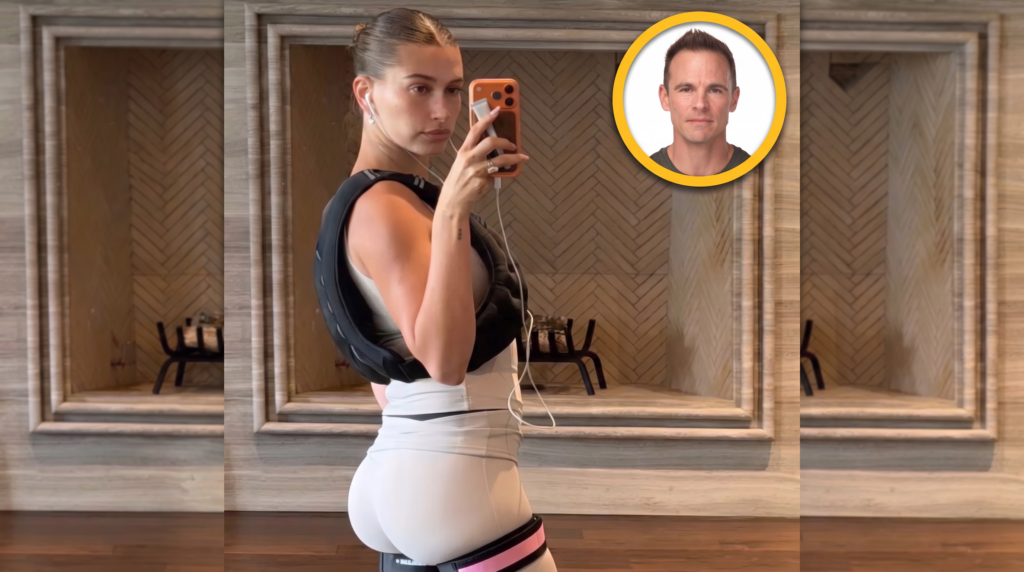
Furthermore, individuals who are completely new to weightlifting or structured exercise should not turn to BFR bands as a shortcut to physical fitness. Safety authorities recommend that beginners first establish a solid foundation of general strength, proper movement mechanics, and physical conditioning through traditional training methods before ever considering the addition of blood flow restriction techniques under professional supervision.
The Most Dangerous Mistakes People Make
As fitness trends migrate rapidly from clinical settings to social media feeds, the potential for user error increases significantly. When BFR training is executed incorrectly, the consequences can range from temporary discomfort to genuine physical harm. Most adverse incidents stem from three primary errors made by untrained individuals attempting to replicate what they see online.
The first major error is applying excessive pressure. Attempting to achieve complete occlusion by tightening bands until circulation is entirely blocked defeats the scientific purpose of the method and introduces severe risks. Without the integration of professional pressure gauges or calibrated systems, improvised attempts often create a dangerous tourniquet effect that can result in nerve damage, localized tissue injury, and abnormal blood pooling in the extremities.
The second common mistake involves using inappropriate equipment. Many people attempt to substitute specialized BFR cuffs with everyday items such as elastic resistance bands, standard fabric loop bands, heavy knee wraps, or generic compression straps. These makeshift alternatives cannot provide the consistent, measurable, and safe pressure distribution required for blood flow restriction. Furthermore, they are prone to slipping, creating concentrated pressure points, and restricting circulation far too aggressively, which substantially elevates the risk of injury.
The third error relates to duration. Standard clinical protocols strictly limit the application of BFR bands to a short window of ten to twenty minutes per workout session, which includes the necessary rest periods between sets. Exceeding this recommended timeframe prolongs the period of restricted circulation well beyond safe physiological parameters. Experts stress that bands must be removed entirely between exercises targeting different limbs and should never be worn continuously throughout an extended gym workout.
What Proper BFR Application Looks Like
For those individuals who have received clearance from a medical professional and wish to explore BFR safely, proper technique and equipment are paramount. Cuffs or specialized bands should always be positioned at the very highest point of the limbs, high up on the upper arm or directly at the crease of the hip on the upper thigh. The width of the band also plays a critical role in safety, as wider bands are generally designed to distribute pressure more evenly and safely across the underlying tissue than narrow, strap-like constraints.
A reliable indicator of correct application is that the user should feel moderate pressure and a mild, manageable level of discomfort, but never sharp or shooting pain. The limb may take on a slightly heavy or engorged sensation as blood accumulates during the exercise set, but it should never go completely numb, develop severe tingling, or undergo dramatic color changes. While a mild pink flush or slight redness is entirely normal, skin turning pale white or deep purple indicates an overly restricted and potentially unsafe environment.
Starting BFR the Right Way
Fitness professionals strongly advise against attempting to learn BFR training independently through online videos or social media tutorials. Instead, individuals interested in the technique should seek guidance from certified personal therapists, exercise physiologists, or personal trainers who possess specialized, accredited certifications in blood flow restriction protocols. These professionals can ensure proper band placement, calculate individualized pressure levels based on limb circumference, and select appropriate exercises that align with the user’s specific fitness level.
Initial sessions should always be approached conservatively, focusing on understanding the unique sensations of correct restriction and gauging individual tolerance levels. Investing in high-quality, purpose-built BFR equipment that features reliable pressure-regulation mechanisms is considered an essential safety measure, far outweighing any financial savings achieved through improvised household alternatives.
Realistic Expectations and Training Integration
Ultimately, BFR is not a fitness miracle, nor is it intended to completely replace traditional strength training for the general population. Sports scientists and conditioning coaches view it as one specialized tool within a comprehensive, well-rounded training philosophy. Its greatest utility remains in specific contexts, such as clinical rehabilitation, managing joint stress during high-volume training cycles, or adding targeted stimulus without accumulating excessive mechanical fatigue.
Many athletes integrate BFR strategically, utilizing lighter, restricted sessions during active recovery days, scheduled deload weeks, or as accessory work following their primary heavy lifts. Rather than presenting a choice between traditional weightlifting and blood flow restriction, modern training integration views BFR as an evidence-based addition to an athlete’s toolkit when specific physiological circumstances warrant its use.
Hailey Bieber’s recent use of BFR bands highlights a training methodology backed by decades of scientific research and clinical application, even as it finds new life in contemporary celebrity fitness culture. While the technique offers compelling benefits for muscle hypertrophy and joint-friendly training, it demands a high degree of caution, formal education, and individualized application. Those who approach BFR with a respect for its physiological boundaries can safely incorporate the method into their routines, ensuring that their pursuit of fitness remains as safe as it is effective.