The Ultimate Fighting Championship (UFC) is once again facing intense scrutiny regarding its roster management, fighter contracts, and the behind-the-scenes pressures placed on athletes. Former UFC flyweight contender Muhammad Mokaev has come forward to criticize the world’s premier mixed martial arts promotion, alleging that the organization is unfairly damaging careers through questionable roster decisions, stylistic ultimatums, and public narratives that follow athletes out the door.
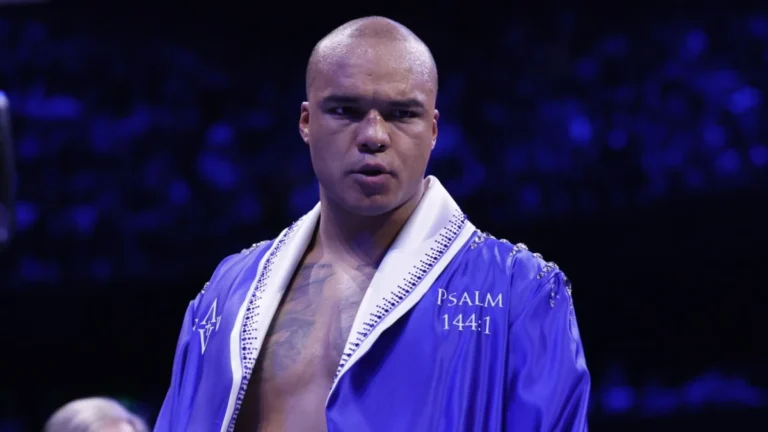
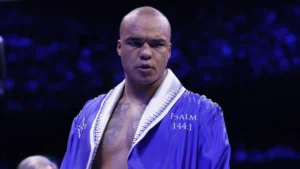
The controversy has reignited following the departure of undefeated bantamweight prospect Farid Basharat. Despite compiling a flawless 7-0 record inside the Octagon and an unblemished 16-0 professional record overall, Basharat recently completed his promotional contract and was not offered a new deal. The sudden exit of a dominant, undefeated fighter on a lengthy win streak has baffled fans and fighters alike, drawing broader questions about the criteria the UFC uses to retain or release talent.
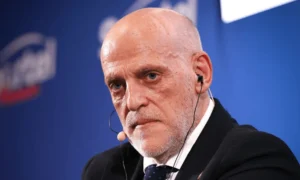
UFC CEO Dana White has previously addressed situations where undefeated or successful fighters part ways with the organization, suggesting that difficulties with matchmakers or declined fight offers can often explain such departures. While White did not identify Basharat by name or cite a specific incident regarding the bantamweight’s exit, his general remarks about departing athletes have sparked sharp pushback from fighters who feel these broad explanations unfairly tarnish their professional reputations.
Mokaev, who experienced his own turbulent exit from the promotion despite an undefeated run, believes that public comments from leadership can severely damage fighters’ prospects and marketability as they attempt to secure contracts with other organizations. The former flyweight contender argued that leaving the UFC should be a straightforward business matter without the added burden of disparaging narratives that could make rival promotions think twice before signing top-tier talent.
Beyond post-departure remarks, Mokaev raised serious ethical and competitive questions about internal directives given to athletes regarding their fighting styles. According to Mokaev, fighters have received direct warnings from management to alter grappling-heavy approaches or face termination from the roster. This kind of systemic pressure, he argues, crosses the line from routine promotion management into direct interference with how athletes compete inside the cage.
Taking to social media to voice his frustrations, Mokaev did not hold back in addressing the psychological and professional toll such phone calls take on athletes who are simply trying to secure victory using their preferred skill sets.
"When fighters are getting phone calls from bosses telling them, ‘If you keep wrestling like that, you’re going to get cut,’ then you’re basically telling fighters how you want them to fight," Mokaev posted on X. "At what point does that cross the line? Isn’t that influencing the competition? And if you want to release a fighter, fine. But don’t then publicly say he was ‘hard to deal with’ or create some bullsh*t narrative about him that could damage his reputation and make other organizations think twice about signing him. Release fighters if you want. Just don’t try to damage their careers on the way out."
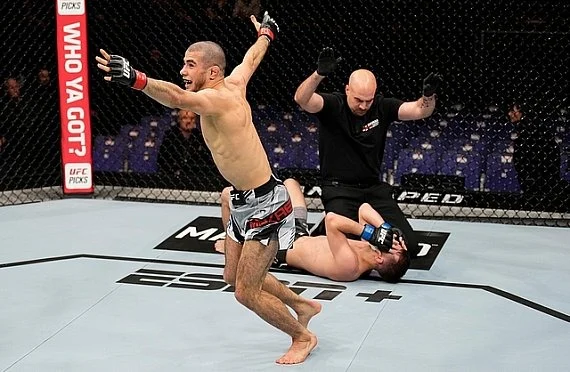
The debate strikes close to home for Mokaev himself, whose own relationship with the UFC came to an abrupt end under similarly contentious circumstances. Mokaev departed the promotion holding an undefeated professional record of 17-0 with one no-contest. His contract was not renewed by the organization following a hard-fought unanimous decision victory over Manel Kape in July 2024. Despite maintaining a pristine record and sitting near the top of the flyweight division at the time of his departure, the promotion opted to let him test free agency.
Since parting ways with the global mixed martial arts leader, Mokaev has continued his professional career outside the organization, securing four consecutive victories to maintain his undefeated status and prove his competitive value on the international circuit. However, his firsthand experience with the mechanics of UFC contract renewals and the subsequent public narratives has fueled his outspoken advocacy for better treatment of fighters navigating the high-stakes world of combat sports.
The broader issue of how the UFC handles fighters on winning streaks has long been a subject of debate among athletes, analysts, and fans. While the promotion operates as a private business with complete discretion over its roster composition, budget allocations, and entertainment value priorities, critics argue that penalizing elite competitors for utilizing wrestling-heavy or grinding styles undermines the core sporting integrity of mixed martial arts. When athletes feel coerced into abandoning effective martial arts disciplines out of fear of sudden unemployment, questions inevitably arise regarding how much promotional influence shapes the actual outcomes and stylistic landscapes of bouts.
As the mixed martial arts community continues to process the unexpected departure of Farid Basharat and evaluates the ongoing dialogue surrounding fighter contracts, voices like Mokaev’s highlight a persistent tension between corporate promotion goals and athlete advocacy. With top-tier talent increasingly looking toward alternative global promotions to build sustainable careers, the debate over stylistic freedom, transparent contract negotiations, and post-departure professionalism remains a central focal point for the future of the sport.