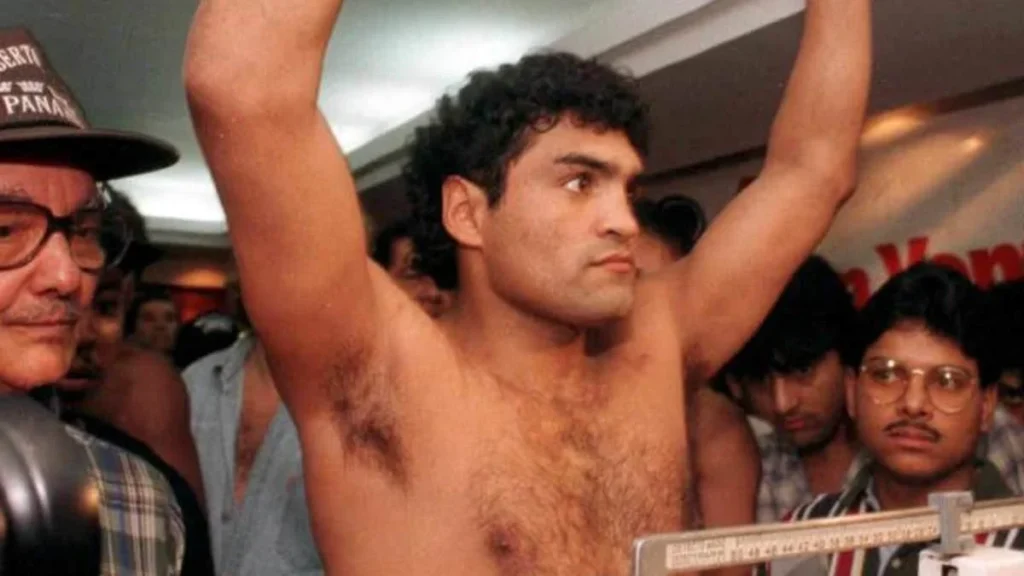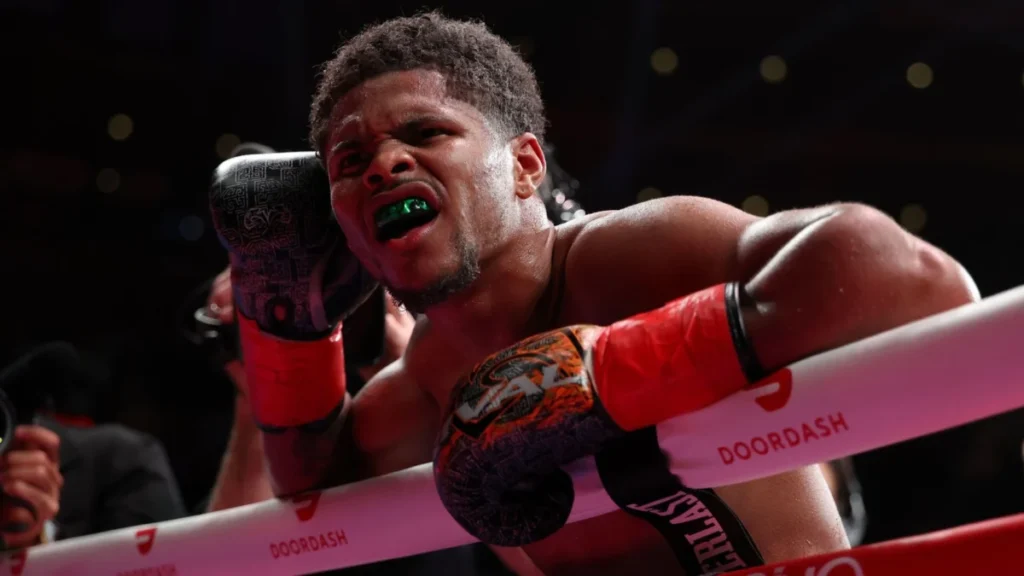


Clay Smith, a name synonymous with grit and determination in the Australian Football League, a premiership player with the Western Bulldogs, has made a surprising career turn. Known for his tenacity on the field and an undefeated record in his seven professional boxing bouts, Smith was on the cusp of reigniting his boxing career. However, a compelling call from a local football club diverted his path, leading him to embrace a coaching role that has ignited a new passion within him. This decision, a departure from the individual pursuit of combat sports, highlights a deeper commitment to community and the development of young talent.
Smith’s foray into professional boxing was not a fleeting experiment. He had dedicated himself to the rigorous training and discipline required to compete at the highest level. His seven fights, all victories, stand testament to his skill and dedication. The prospect of a return to the ring was a tangible one, with significant training already undertaken. Yet, as he stood at a crossroads, contemplating the next chapter of his athletic journey, an opportunity arose that resonated with a different, perhaps more profound, calling.
The appeal of local football coaching, particularly at a community level, often lies in its capacity to foster camaraderie, skill development, and a sense of belonging. For a figure like Clay Smith, who has experienced the pinnacle of professional sport, the chance to impart his knowledge and experience to aspiring young athletes is a powerful motivator. This transition signifies more than just a career change; it represents a shift in focus from personal achievement to collective growth.
The specifics of the club that extended the offer remain a key element of Smith’s story. Local football clubs, often the heart of regional communities, rely heavily on the dedication of volunteers and figures who can inspire. Smith’s involvement would undoubtedly inject a significant boost of energy and expertise. His background as a premiership player provides an invaluable perspective on what it takes to succeed at the elite level, offering insights into not only the physical demands but also the mental fortitude required.

The decision to step away from the singular focus of professional boxing, where individual success is paramount, and embrace the collaborative nature of team coaching is a significant one. Boxing is an intensely personal sport, demanding a singular focus on one’s own performance. Coaching, conversely, involves nurturing a group, understanding diverse personalities, and strategizing for collective success. This shift suggests a desire in Smith to contribute to a larger ecosystem, to build something beyond his individual accolades.
The financial implications of such a move are also a consideration. Professional boxing, particularly for successful fighters, can offer substantial rewards. Local coaching roles, on the other hand, are often undertaken for passion and a sense of service, with remuneration being secondary. Smith’s willingness to prioritize this community-focused endeavor over potentially lucrative boxing ventures speaks volumes about his values and his vision for his post-playing career. The article hints at subscription options, suggesting that the full narrative of his motivations and the club’s specific circumstances are behind a paywall, a common practice for in-depth sports journalism.
The Western Bulldogs, his former club, represent a significant chapter in his sporting life. His premiership success there would have instilled a deep understanding of team dynamics, leadership, and the pressure of high-stakes competition. This experience is precisely what makes him an ideal candidate to mentor young footballers. He can draw on real-world examples of triumph and adversity, providing guidance that is both practical and inspiring.
Furthermore, Smith’s undefeated boxing record suggests a natural talent for combat and a strong competitive spirit. These attributes, when translated to the coaching environment, can manifest as a relentless pursuit of excellence and an unwavering belief in his team’s potential. He can instill a fighting spirit, a refusal to give up, and the discipline necessary to overcome challenges.
The story of Clay Smith’s transition from a potential boxing comeback to local football coaching is a compelling narrative of evolving priorities and a commitment to community. It underscores the idea that athletic careers can take unexpected turns, leading to fulfilling opportunities that extend beyond the individual spotlight. His decision to invest his time and expertise in nurturing the next generation of footballers highlights a profound understanding of the broader impact sport can have. As the article suggests, delving deeper into his motivations and the specific club involved promises a richer understanding of this fascinating career pivot. The lure of the local oval, it seems, proved more potent than the roar of the boxing crowd, signaling a new and exciting phase in the life of a decorated athlete. This move not only benefits the young players he will mentor but also enriches the fabric of the local sporting community, demonstrating how former champions can become invaluable pillars of grassroots development.