


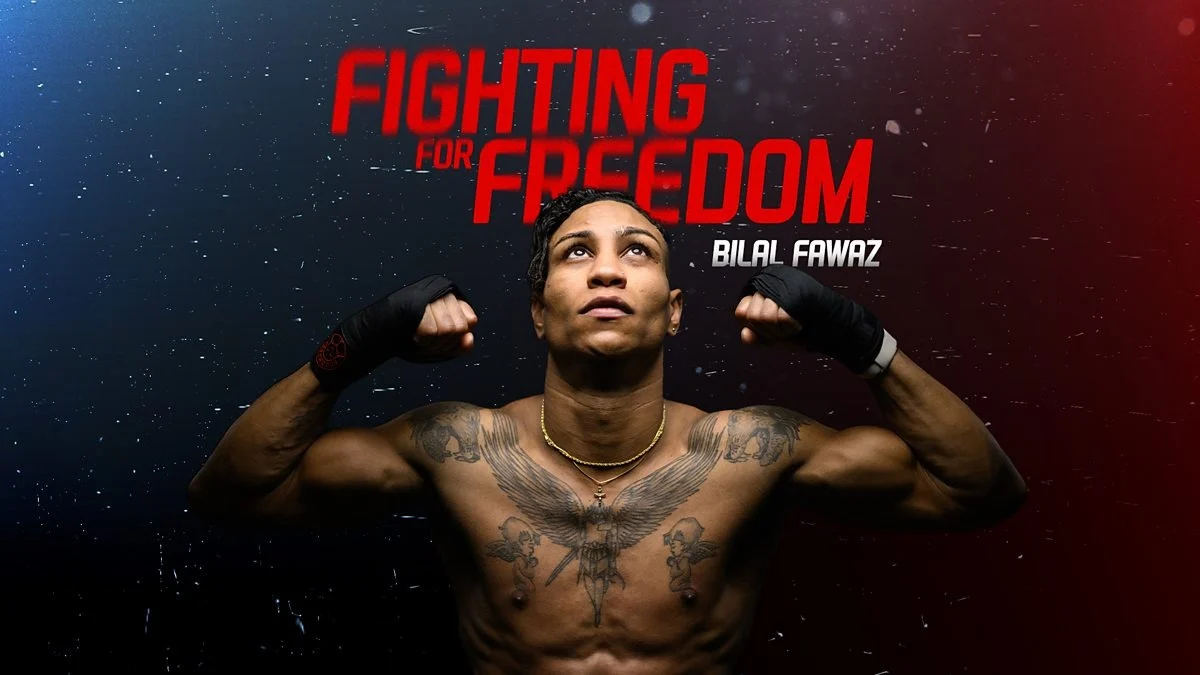
A compelling new documentary broadcast by the BBC has brought international attention to the poignant story of an
elite British champion boxer who remains without a British passport despite living in the United Kingdom for more than two decades. The broadcast explores the stark paradox faced by an athlete who has achieved peak performance within the national sporting arena, trained in local gyms, and claimed national championship honours, yet continues to navigate the profound uncertainties of residing in the country without official legal citizenship or passport documentation. Through this intimate look into the boxer’s life, the programme highlights the personal, physical, and administrative struggles that accompany prolonged legal limbo within the British immigration system.
The narrative center of the broadcast focuses on the extraordinary contrast between public athletic success and private administrative stalemate. To reach the pinnacle of professional boxing in the United Kingdom requires exceptional dedication, rigorous physical conditioning, and years of relentless competition within the domestic fight circuit. Winning a British championship title represents one of the highest accolades in the sport, placing an athlete among the country’s most elite combat sports competitors. However, for an athlete who has spent over twenty years building a life, a career, and a community in the United Kingdom, the inability to secure a British passport creates severe barriers that extend far beyond the confines of the boxing ring.
In professional sports, and particularly in elite boxing, the absence of a valid national passport presents immense logistical and professional hurdles. Modern high-performance athletic careers depend heavily on global mobility. Professional boxers frequently require international travel to participate in major title bouts, secure high-level sparring opportunities in overseas training camps, access world-class sports science facilities, and compete on international fight cards hosted across Europe, North America, and beyond. Without a passport, an athlete’s ability to cross international borders is severely restricted or entirely halted, limiting their career trajectory, international ranking prospects, and earning potential. While domestic opponents can travel freely to advance their careers on the world stage, an athlete lacking travel documentation remains locked within national borders, unable to capitalize on global opportunities despite possessing world-class talent.
Beyond the logistical constraints imposed on an athletic career, the broadcast addresses the deep emotional and physical toll that long-term legal insecurity inflicts on an individual. Accompanying the programme is an official content advisory warning viewers that the broadcast contains references to physical harm. In response, the BBC has directed audiences to the BBC Action Line, which offers dedicated guidance and support details for individuals who may be affected by the distressing issues raised in the feature. Combat sports like boxing inherent demand an exceptional degree of physical risk, bodily strain, and grueling preparation. When the severe physical demands of elite training are coupled with chronic psychological stress, anxiety, and the existential vulnerability of living without secure citizenship, the impact on an athlete’s overall well-being can be overwhelming.
The inclusion of support details through the BBC Action Line underscores the broader mental health and physical safety challenges associated with long-standing legal limbo. Protracted battles over legal status, citizenship applications, and passport issuance are known to cause severe mental fatigue, trauma, and continuous distress. For individuals who have resided in a country for more than two decades, the United Kingdom is not merely a place of residence; it is their home, the site of their formative years, their social networks, and their professional achievements. Living under the persistent shadow of documentation uncertainty can leave long-term residents feeling alienated, vulnerable, and constantly exposed to administrative precariousness, regardless of their contributions to society or their standing as national athletic champions.
The situation depicted in the broadcast reflects wider complexities within the United Kingdom’s legal framework governing long-term residency, naturalization, and citizenship acquisition. Under British immigration regulations, long residence rules generally establish pathways through which individuals who have lived continuously in the country for extended periods can apply for formal legal status, such as Indefinite Leave to Remain, followed by British citizenship. However, the path to naturalization is often fraught with significant administrative complexity, prohibitive financial costs, stringent documentation requirements, and potential legal bottlenecks. For many long-term residents, navigating the Home Office application process involves years of bureaucratic delays, legal fees, and administrative hurdles that can stall progress indefinitely, leaving applicants trapped in prolonged legal uncertainty.
This bureaucratic friction creates an intense paradox within the sports world. National governing bodies, local boxing clubs, and sports fans frequently celebrate athletes for their local ties, work ethic, and competitive achievements. A champion boxer fighting out of a British gym embodies the grit and sporting traditions of the local community. Yet, while the athletic community and the public embrace the athlete as a British champion, state administrative mechanisms may concurrently treat the same individual as a non-citizen without standard identification or passport rights. This divergence between cultural inclusion and legal recognition exposes the rigid disconnect that can exist between community identity and official state documentation.
The broadcast also highlights the critical role played by public service media in bringing complex, human-centered investigative stories to public light. By providing a platform for the boxer’s story, the BBC examine how broad systemic policies directly impact individual lives. To ensure that the narrative is accessible to the widest possible audience, the broadcast has been made available with comprehensive accessibility features across platforms such as BBC iPlayer, including Audio Description for visually impaired viewers and British Sign Language interpretation for deaf and hard-of-hearing audiences. These accessibility measures ensure that important human rights, legal, and sporting narratives can be fully engaged with by diverse audiences throughout the country.
Ultimately, the story of a British champion boxer remaining without a passport after more than twenty years in the country serves as a powerful testament to the human strain caused by administrative stalemate. It highlights the intersecting worlds of high-level sport, personal identity, and immigration law, demonstrating how structural barriers can restrict even those who have achieved national acclaim. As the documentary reaches audiences across the United Kingdom, it provides a poignant look at the resilience required to fight both inside the ring for athletic glory and outside the ring for basic legal recognition, while pointing those in need of guidance and mental health assistance toward the vital support resources provided by the BBC Action Line.