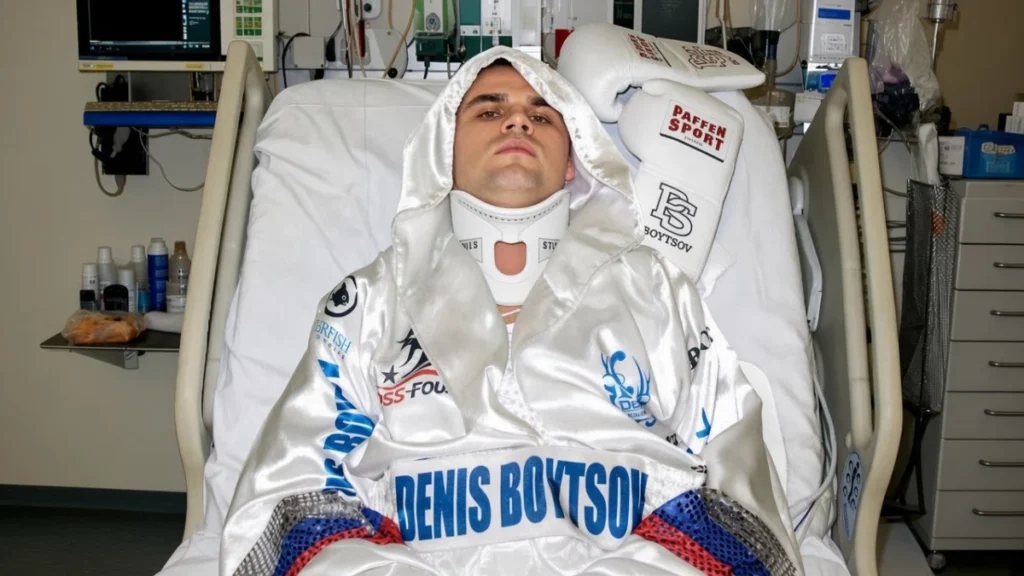

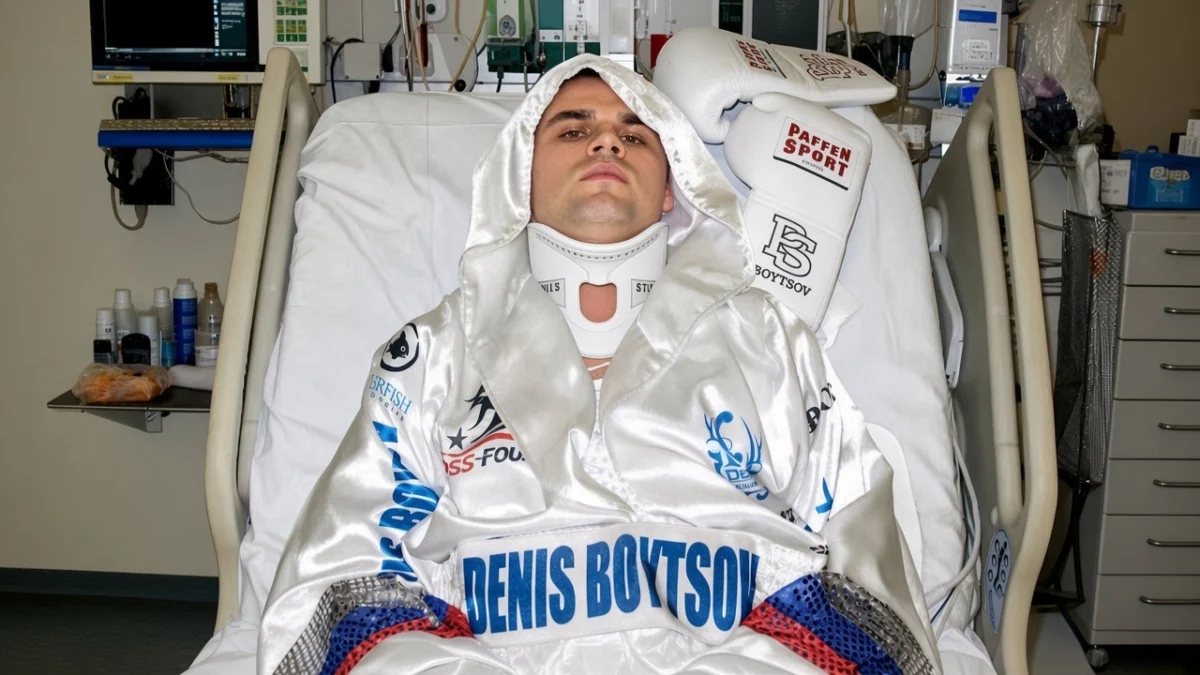
Denis Boytsov, a fearsome Russian heavyweight once compared to Mike Tyson and positioned just a step away from a world title shot, has passed away at the age of 40. His death at his family home in Oryol, Russia, followed a sudden medical emergency, which his father, Nikolai, attributed to a detached blood clot.
For Boytsov, his death marks the final chapter in a deeply tragic sequence of events that began more than a decade ago. At the age of 29, a mysterious and devastating incident on the Berlin subway tracks abruptly destroyed his promising boxing career and transformed his life into an agonizing, multi-year battle for survival. For eleven years, Boytsov fought against the severe neurological and physical consequences of that night, ultimately losing the war at a time when he should have been enjoying the fruits of his athletic prime.
World Boxing News has followed Boytsov’s tragic trajectory since May 2015, chronicling his rise, his sudden fall, and the arduous medical struggles that defined the final decade of his life.
Born in Russia, Boytsov turned professional in Germany in 2004, establishing himself as one of the most exciting and destructive punchers in the international heavyweight division. Operating with an aggressive, seek-and-destroy style that frequently drew comparisons to a young Mike Tyson, the Russian contender tore through the early stages of his career. He won his first 20 bouts in impressive fashion, securing 18 of those victories by way of knockout.
As his professional record climbed, Boytsov established himself as a fixture in the world rankings. He eventually amassed an imposing 36-1 record, featuring 27 stoppages. Before suffering his first professional defeat, Boytsov was widely understood to be just one fight away from challenging long-reigning heavyweight champion Wladimir Klitschko. However, those championship plans were derailed in November 2013 when he suffered his sole career defeat against Australian heavyweight Alex Leapai.
Rather than letting the setback derail his ambitions entirely, Boytsov regrouped and showed resilience. He strung together three consecutive victories, working his way back toward contender status. This recovery phase included a dominant second-round stoppage victory over Irineu Beato Costa Junior in March 2015, signalling that the Russian puncher was ready to make another serious run at the heavyweight elite.
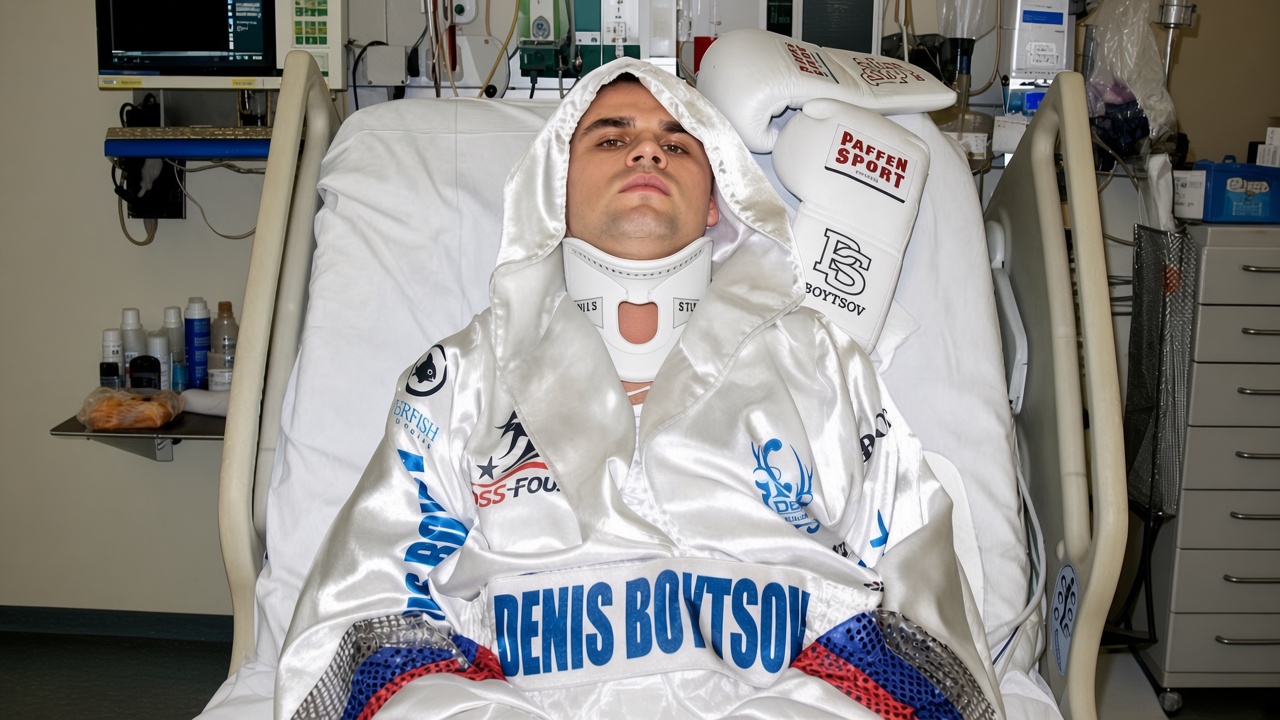
Just two months later, however, his life changed forever.
The Berlin Subway Mystery
On May 3, 2015, Denis Boytsov was discovered unconscious in a deeply concerning state. He was found on the tracks between two Berlin subway stations, having sustained catastrophic head injuries. The severity of the trauma required immediate emergency intervention. Surgeons rushed him into an operation, and doctors subsequently placed him in a medically induced coma as they fought desperately to save his life.
WBN reported extensively on the incident beginning in May 2015, highlighting statements from prominent promoter Kalle Sauerland, who confirmed that the heavyweight was in an extremely serious condition. As the medical team monitored Boytsov’s fight for survival, law enforcement authorities in Berlin began investigating the circumstances surrounding how a top-tier athlete ended up severely injured on underground railway tracks.
In the immediate aftermath, the lack of definitive answers fueled widespread speculation. The assault theory quickly gained traction among friends, promoters, and media observers. Adding to these suspicions were unverified reports of threats linked to previous boxing business disputes. Boytsov’s wife, Olga, who was pregnant with their child at the time, publicly voiced her fears that her husband might have been the target of a malicious revenge attack. She held onto hope that Denis would eventually regain consciousness and be able to explain the dark events of that night.
Despite the initial fears of foul play, a thorough official investigation led investigators elsewhere. German police and prosecutors reviewed witness statements, timeline reconstructions, and station surveillance footage. By June 2015, Berlin prosecutors officially closed the investigation after finding no evidence of third-party involvement. Authorities concluded that Boytsov had suffered his life-altering injuries in an accident while heavily intoxicated.
Eleven Years Fighting Back
The physical toll of the incident was immense. Boytsov spent seven weeks trapped in a medically induced coma before his slow, painful journey toward rehabilitation could even begin.
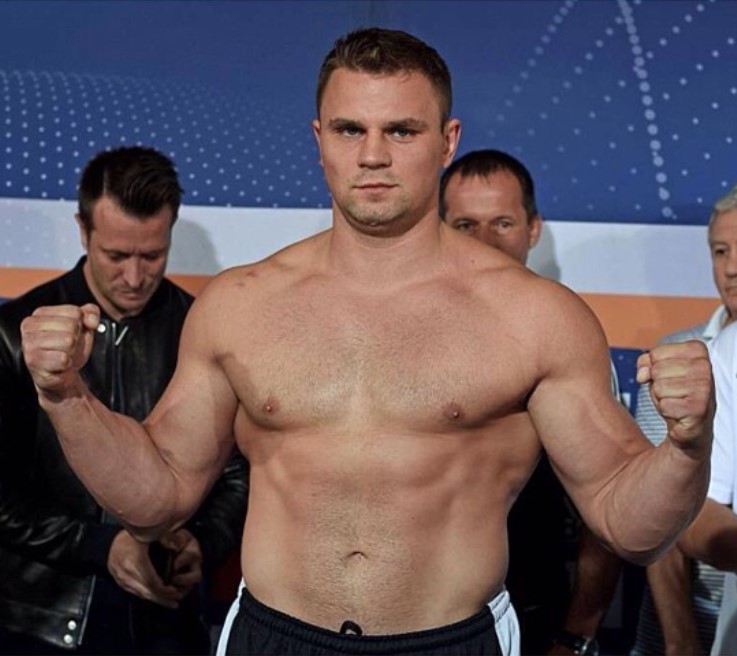
As WBN reported in subsequent updates, including an overview of his long-term struggles in August 2023, the heavyweight experienced severe physical deterioration during his initial hospitalization, losing a staggering amount of weight. He required further surgeries and faced the monumental challenge of relearning the most basic human functions that most people take entirely for granted.
Ultimately, the neurological damage proved too profound. Boytsov was left unable to walk or speak, rendering any possibility of a return to normal life—let alone professional boxing—completely impossible.
Yet, true to the fighting spirit that once made him a feared contender, Boytsov mounted an extraordinary battle to reclaim his life. He underwent years of intensive rehabilitation in Germany, surrounded by medical professionals and loved ones. Eventually, he was transferred back to his native Russia, where his family assumed the heavy responsibility of caring for him day in and day out.
Despite his courage, the injuries sustained beneath the streets of Berlin a decade prior proved insurmountable. At just 40 years old, the talented fighter lost his final and most important battle.
The timing of his passing carries a stark and painful irony. In today’s booming heavyweight landscape, driven by massive international events and lucrative purses under modern promotional models like Riyadh Season, a fighter of Boytsov’s caliber, power, and ranking would likely have been competing for life-changing financial rewards.
While no one can say with absolute certainty how far his career would have gone, his devastating punching power, undefeated early pedigree, and high rankings suggested he possessed all the raw tools necessary to remain a fixture at the top of the division. Instead, while he should have been entering the lucrative peak of his athletic prime, Boytsov spent eleven agonizing years trying to piece his life back together from the wreckage of a single, tragic night in Berlin.