The World Boxing Commission is once again staring down the barrel of a widespread governance crisis, facing scathing criticism from fans, pundits, and international observers over a potentially unfathomable administrative decision concerning the status of the featherweight division. In a stark and controversial turn of events, the organization has been hit with public demands—including calls from frustrated fans directed at the Japanese Boxing Commission to withdraw its recognition of the sanctioning body—with critics asserting that leadership has completely lost control over the systematic integrity of the organization.
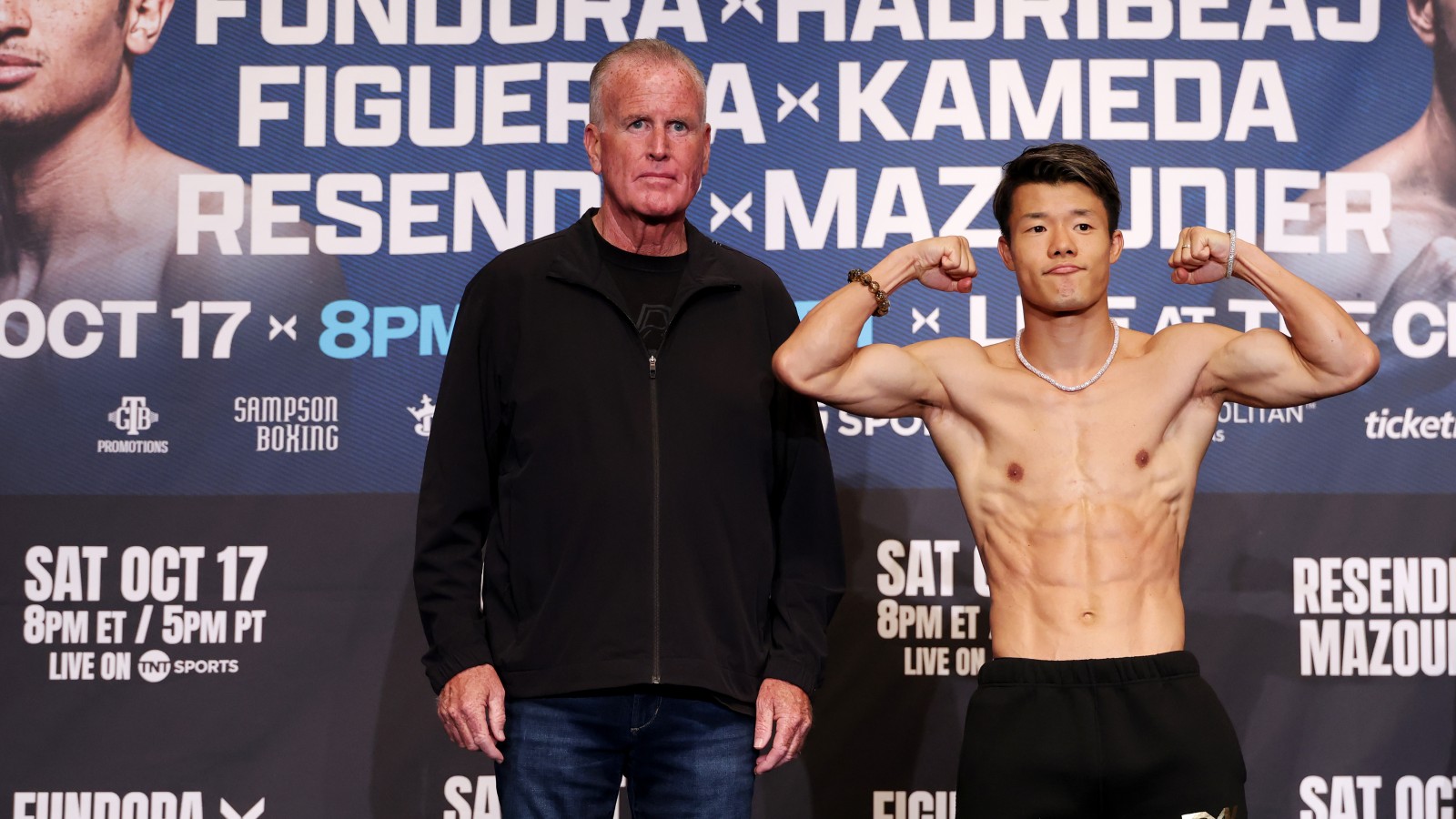
This growing wave of dissatisfaction erupted in the wake of a collapsed title fight that left a diligent contender stranded after months of intense preparation. Brandon Figueroa, who was scheduled to defend his WBA featherweight world championship against Japanese challenger Tomoki Kameda, failed to make the contracted weight limit during the official weigh-in. Figueroa stepped onto the scales at 127.4 pounds, coming in 1.4 pounds over the established featherweight championship threshold. Consequently, the champion was immediately stripped of his title on the scales.
In the chaotic hours immediately following the weigh-in failure, negotiations and official sanctioning allowances pointed toward the bout proceeding as scheduled, albeit with a crucial adjustment: only the challenger, Kameda, would be eligible to win the vacant WBA world title, while Figueroa competed for pride and to salvage the event. However, the situation deteriorated further when Figueroa subsequently fell ill during the critical rehydration and recovery process. The sudden medical issue rendered him entirely unfit to compete, forcing promoters to officially scrap the bout altogether.
For Kameda, the cancellation represented a devastating and unjust conclusion to months of grueling sacrifice. The Japanese contender had relocated his training camp entirely to Mexico, dedicating two and a half months of intense physical and mental preparation exclusively for this championship opportunity. He followed every protocol, made championship weight, and adhered to every contractual obligation placed before him. Yet, despite doing everything required of an elite professional athlete, Kameda found himself the ultimate victim of circumstances completely outside his control, walking away without a world title fight and without the belt he had spent a lifetime chasing.
In the wake of the cancellation, Kameda revealed that both the WBA and the event promoters had given him assurances, acknowledging his plight and agreeing to prioritize him for the very next available world championship opportunity in the division. However, any sense of reassurance was quickly upended when WBA President Gilberto Mendoza publicly pointed toward the organization’s strict, pre-existing mandatory challenger framework, casting doubt on whether Kameda would receive the immediate title shot he was promised.
Addressing the media and the mounting inquiries regarding the vacant championship picture, Mendoza outlined the organization’s procedural dilemma. The issue at hand, according to the WBA president, stems from the fact that the Figueroa versus Kameda matchup was categorized strictly as a voluntary defense. Under standard organizational bylaws, the official mandatory queue must take precedence, pointing specifically toward number one contender Mirko Cuello and number two contender Mikito Nakano. Mendoza further noted that the WBA world championships committee would convene to formally evaluate the situation and render a definitive ruling.
Mendoza’s measured, regulatory response immediately drew intense public backlash, underscoring the deep disconnect between administrative bureaucracy and sporting fairness. One vocal fan delivered a scathing assessment of the WBA’s current trajectory under Mendoza’s watch, writing publicly that the organization had completely lost control over the years and urging leadership to return to its historical roots and restore the pride of an institution with such a storied combat sports history.
Common Sense and Justice
There is little doubt that Gilberto Mendoza is attempting to follow established WBA regulations by deferring to the divisional mandatory order. Yet, this very adherence highlights a systemic flaw within modern boxing governance: the regulations themselves often fail fighters when an athlete can lose a lifelong world title opportunity through no fault of their own. Had an administrative collapse of this magnitude impacted a higher-profile fighter or a major pay-per-view superstar, the boxing world would undoubtedly be experiencing a deafening roar of protest and media uproar.
The fact that the aggrieved party is Tomoki Kameda, rather than a promotional darling, should not diminish the gravity of the injustice. Kameda was deeply wronged through circumstances entirely beyond his control. He successfully navigated the grueling rigors of a training camp, made the championship weight limit, and remained fully eligible to claim the vacant belt even after his opponent forfeited the championship on the scales. He lost his hard-earned opportunity purely because his opponent’s body failed to recover safely from a botched weight cut.
In moments like these, boxing governance demands a synthesis of regulatory adherence and basic sporting equity. There are critical junctures in the sport where common sense and fundamental justice must intervene, superseding rigid rulebook technicalities that punish the innocent while inadvertently protecting the systemic dysfunction of the sport.
Kameda Deserves His Shot
Tomoki Kameda unequivocally deserves to fight for the vacant WBA world championship next. Whether that means stepping into the ring against Mirko Cuello or another highly ranked, eligible contender is a matter the WBA can resolve without unjustly denying Kameda the direct opportunity he was promised after his bout collapsed.
No one is arguing that contenders like Cuello or Nakano should be treated unfairly, or that they have not earned their respective placements within the rankings. Both fighters have undoubtedly worked hard to position themselves near the top of the division. However, neither of those contenders was actively standing on the precipice of a championship fight, only to have it snatched away at the final hour through external medical and disciplinary failures.
The WBA leadership is well aware of what constitutes a fair and equitable resolution to this administrative mess. The coming days will reveal whether Mendoza and the championship committee choose to bow to the pressure of doing what is morally and competitively right, or if they will allow yet another dedicated athlete to become collateral damage in boxing’s notoriously flawed championship regulatory system.