
Homemade protein spreads are rapidly taking over fitness spaces across social media platforms like Instagram and TikTok, driven by promises that sound almost too good to be true. Creators claim to offer rich chocolate-hazelnut spreads for just 38 calories or peanut butter alternatives for as little as 24 calories per serving. These formulations are not merely random kitchen experiments born out of boredom; they represent a massive, ongoing shift in how active individuals approach everyday nutrition, successfully swapping calorie-dense foods for macro-friendly alternatives that genuinely mimic the taste and texture of traditional indulgences.
For years, anyone tracking macros or attempting to maintain muscle mass during a fat-loss phase faced a frustrating dilemma when it came to standard pantry staples. Traditional commercial spreads like Nutella pack approximately 200 calories into every two-tablespoon serving, alongside 21 grams of sugar and a meager two grams of protein. Standard peanut butter fares only slightly better, typically clocking in around 190 calories with seven to eight grams of protein. For individuals meticulously tracking their intake or trying to preserve lean tissue while in a caloric deficit, these numbers accumulate rapidly. Consuming two tablespoons of a traditional spread on morning toast can easily account for ten percent of a standard 2,000-calorie daily diet before the day has even truly begun.
Enter the high-protein reformulation trend that is currently dominating digital feeds. By replacing heavy, fat-based ingredients with alternatives such as protein powder, fat-free Greek yogurt, or low-fat cottage cheese, content creators and home cooks claim they can slash overall calorie counts by eighty percent or more while simultaneously maximizing protein density. The mathematical appeal is immediate and compelling. If these recipes deliver on their nutritional promises, fitness enthusiasts could theoretically enjoy rich chocolate and nut flavors multiple times a day without jeopardizing their carefully calculated daily targets.
The Science and Mechanics Behind Protein Spreads
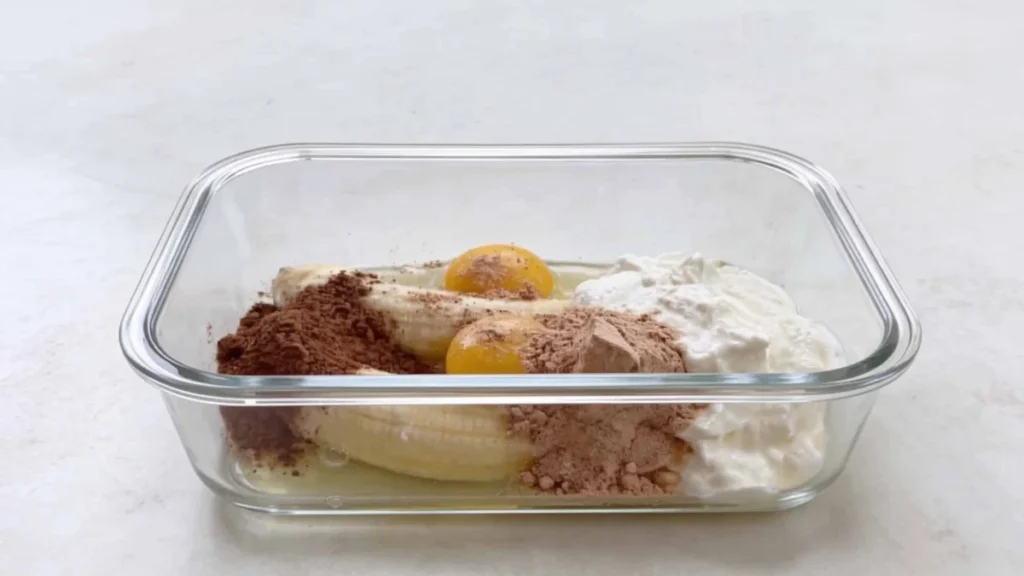
The underlying chemistry of these modern reformulations is remarkably straightforward: calorie-dense fats are swapped out for protein-rich, lower-calorie structural components that manage to successfully mimic the mouthfeel and bulk of traditional spreads. Most viral recipes rely on a core set of ingredient substitutions. Fat-free cocoa powder takes the place of traditional chocolate, while zero-calorie sweeteners stand in for conventional cane sugar. Protein powder—whether whey, casein, or plant-based varieties—provides both the necessary structural integrity and a substantial boost in total protein content.
To achieve a creamy texture without relying on oils or nut fats, creators frequently turn to strained Greek yogurt or blended cottage cheese. These dairy bases contribute moisture and significant protein while keeping fat content minimal. Additionally, many recipes incorporate powdered peanut butter or defatted nut flours, allowing the final product to retain an authentic peanut or hazelnut flavor profile without the heavy caloric toll of natural oils.
This formulation strategy aligns closely with modern sports nutrition research. Protein is universally recognized as the most satiating macronutrient per calorie, meaning that high-protein food options naturally help individuals feel fuller for longer periods. For active individuals aiming for the widely recommended benchmark of 0.7 to 1 gram of protein per pound of bodyweight daily, every alternative source makes a meaningful contribution. While these spreads are certainly not designed to function as complete meal replacements, they successfully bridge the gap for individuals fighting severe food cravings that might otherwise derail their adherence to a strict caloric deficit.
Dietitians and nutrition professionals have increasingly taken note of this broader culinary shift. Well-known lifestyle platforms have highlighted options like ricotta cheese as viable high-protein spreads, noting that a standard half-cup delivers roughly 14 grams of protein, while customized Greek yogurt blends offer similar nutritional advantages at a fraction of the caloric cost associated with traditional nut butters.
Viral Culture, Algorithms, and the App Connection
The overwhelming popularity of these recipes across platforms like Instagram and TikTok is hardly accidental. Fitness recipe content consistently performs well because it addresses a universal human problem: how to enjoy comforting, indulgent foods without actively sabotaging long-term body composition goals. The fitness niche has successfully refined this content format into short, engaging videos that display raw ingredients, the mixing process, and the final aesthetic result, complete with macro breakdowns cleanly overlaid on the screen.
In the comments sections of these viral videos, viewers routinely flood creators with requests for specific flavor combinations and exact measurements. Savvy creators leverage this enthusiasm by utilizing automated comment-triggered direct messaging systems. When hundreds of viewers comment with a specific keyword like a recipe request, platform algorithms interpret this surge as high engagement, rapidly pushing the content out to wider audiences. It is a sophisticated digital marketing strategy disguised as community service, and it proves exceptionally effective at driving follower growth and platform monetization.
This viral momentum frequently funnels users toward specialized recipe applications and digital platforms. Numerous mobile applications now market themselves as dedicated low-calorie, high-protein recipe generators, capitalizing on decision fatigue among consumers who want nutritional results without the mental exhaustion of reinventing every meal. By offering curated databases of macro-friendly alternatives, these tech platforms tap directly into a massive market of health-conscious consumers looking for streamlined meal planning solutions.
Evaluating Calorie Claims and Real-World Challenges
Evaluating the exact nutritional validity of these viral recipes can sometimes prove challenging. Because many creators gatekeep their precise ingredient ratios behind direct message automation or app downloads, independent verification of specific calorie and protein counts is not always immediately possible. Nevertheless, the underlying nutritional concepts remain entirely sound. Standard protein powder generally yields between 25 and 30 grams of protein per scoop for roughly 100 to 120 calories, while fat-free cocoa powder contributes negligible calories per tablespoon.
When these foundational ingredients are combined with a base of fat-free Greek yogurt, it is entirely feasible to construct a two-tablespoon serving that falls well under 40 calories while still delivering a respectable amount of protein. The primary hurdle, however, frequently lies in achieving the proper texture and taste profile. Natural fats carry distinct flavors and create a luxurious mouthfeel that is difficult to replicate. Removing those fats requires a careful, skillful balancing act involving artificial sweeteners, flavoring extracts, and stabilizers to prevent the final mixture from turning out watery, grainy, or overly chalky.
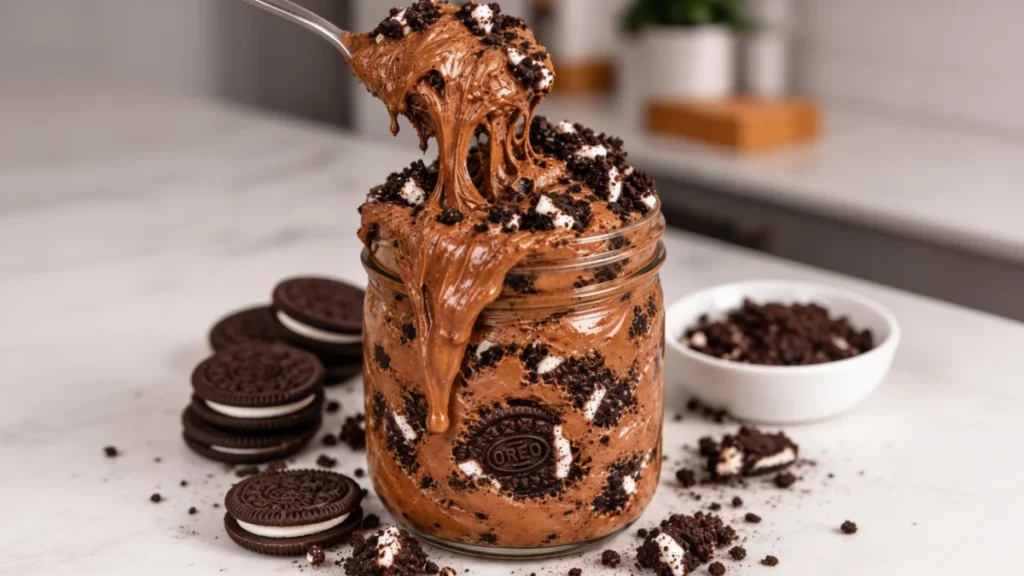
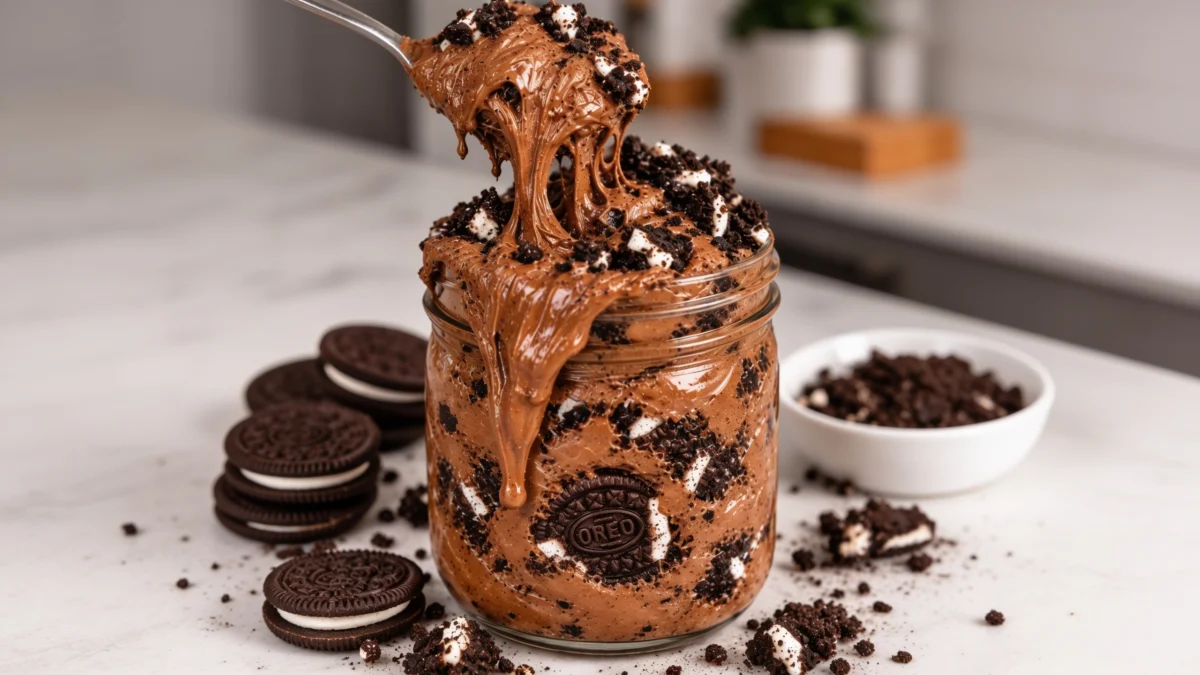
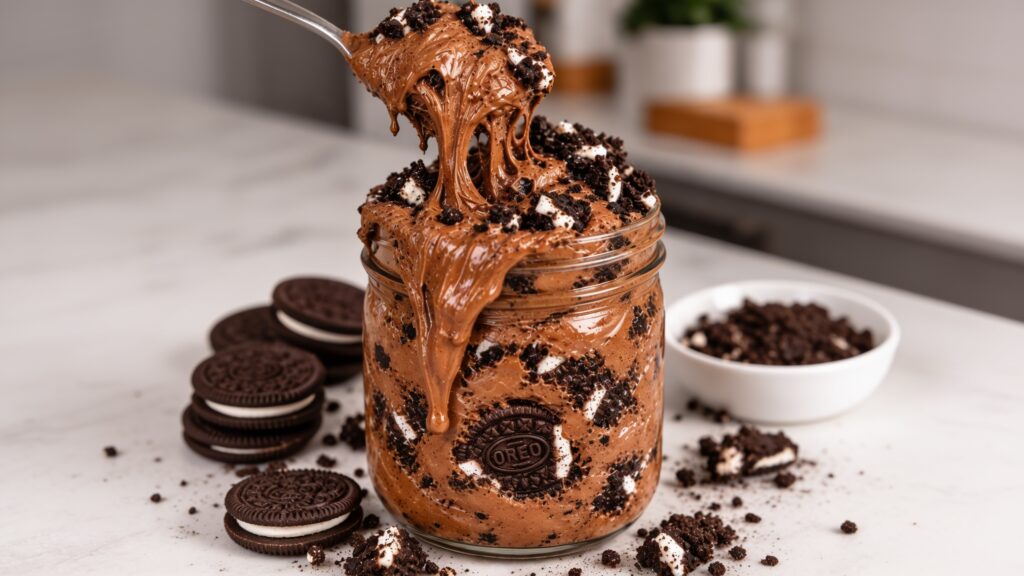
The introduction of trendy variations, such as Oreo-flavored protein spreads, adds another layer of complexity. Incorporating actual commercial cookies into a recipe naturally introduces real sugar and fat. Even when crushed into a fine powder, a single cookie adds noticeable calories and fat to the batch. To maintain an extremely low calorie count per serving under such conditions, recipes must either heavily dilute the cookie component or define individual serving sizes quite conservatively—perhaps suggesting a single tablespoon rather than a traditional portion. This dynamic highlights why careful evaluation of serving sizes remains vital when analyzing nutritional claims encountered across social media.
Community Demand and the Psychology of Dieting
Community forums across the internet demonstrate an insatiable public appetite for these creative recipes. Individuals navigating weight loss and body recomposition frequently express a strong desire to enjoy palatable food while staying firmly on track with their fitness objectives. The recurring theme among these communities is clear: people are increasingly fatigued by monotonous diets consisting entirely of plain chicken breast and steamed vegetables. They crave sweetness, richness, and culinary variety.
High-protein spreads directly address this psychological requirement by transforming breakfast items, snacks, and evening desserts from perceived dietary obstacles into enjoyable opportunities. Muscle protein synthesis—the biological process responsible for repairing and building muscle tissue—requires a steady, consistent intake of protein throughout the day. For individuals engaged in intense resistance training or athletic conditioning, hitting daily protein thresholds can quickly become a logistical challenge. Spreads offer a low-effort, high-reward addition to daily nutrition, particularly for individuals who experience flavor fatigue from traditional savory protein sources.
Beyond the physiological advantages, the most significant benefit of these innovations may ultimately be psychological. Strict dieting often fosters feelings of deprivation, which frequently trigger intense food cravings and eventual behavioral relapse. High-protein, low-calorie alternatives create crucial mental breathing room by allowing individuals to satisfy sweet cravings without the accompanying guilt. This flexibility improves overall dietary adherence and helps dismantle the rigid, all-or-nothing mindset that frequently undermines long-term health and fitness success.
Ultimately, the persistent popularity of these homemade protein spreads underscores a fundamental evolution in modern dietary culture. People no longer accept that achieving a lean physique requires endless misery and severe food restriction. By intelligently engineering foods that align with aggressive body composition goals while still delivering genuine sensory pleasure, home cooks and fitness creators have demonstrated that discipline and culinary enjoyment can peacefully coexist. As long as consumers approach social media nutrition claims with a healthy balance of awareness and skepticism, these creative adaptations will continue to serve as a valuable tool for sustainable, long-term health.