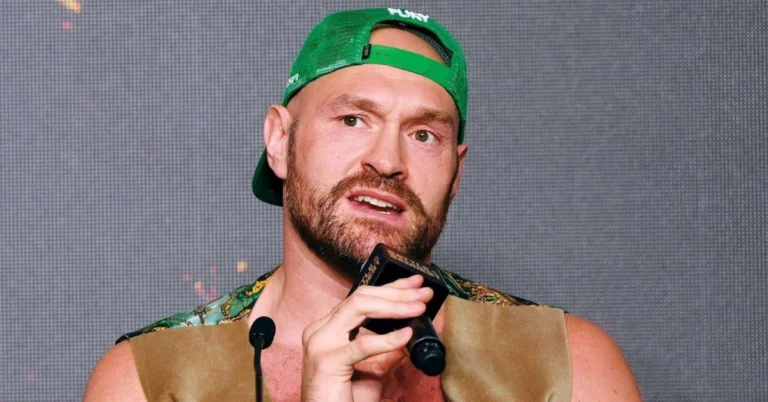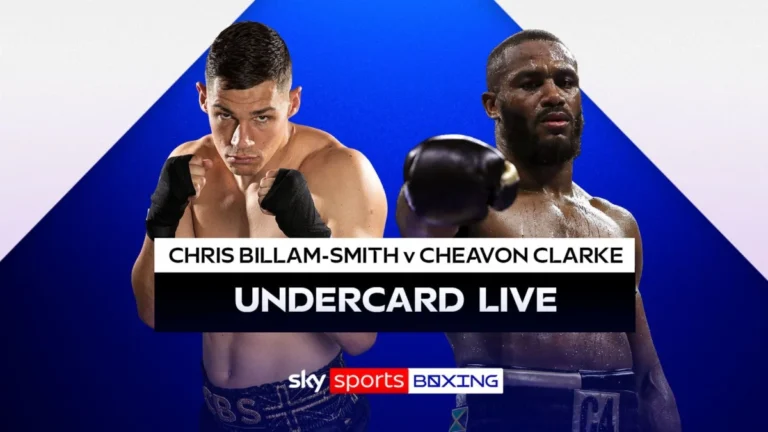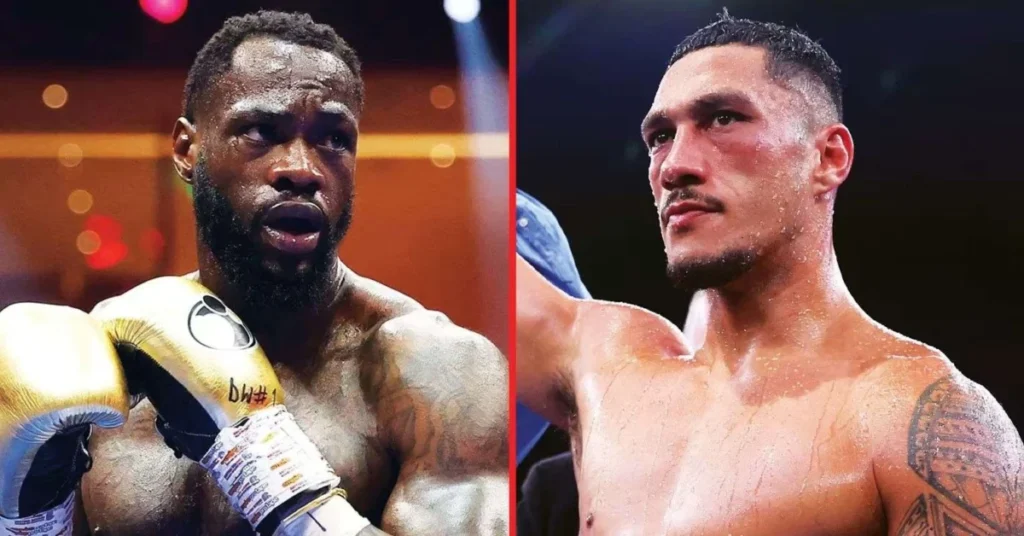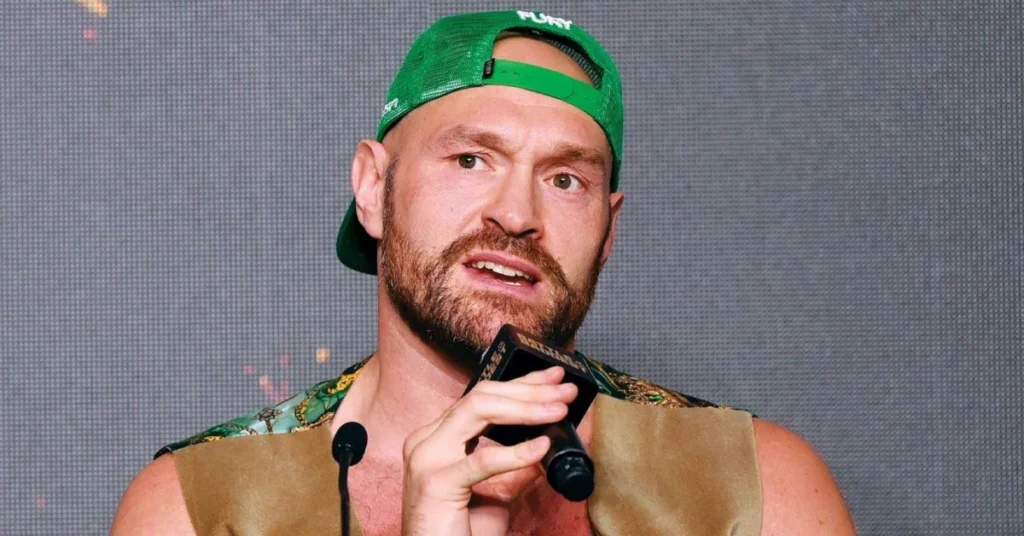


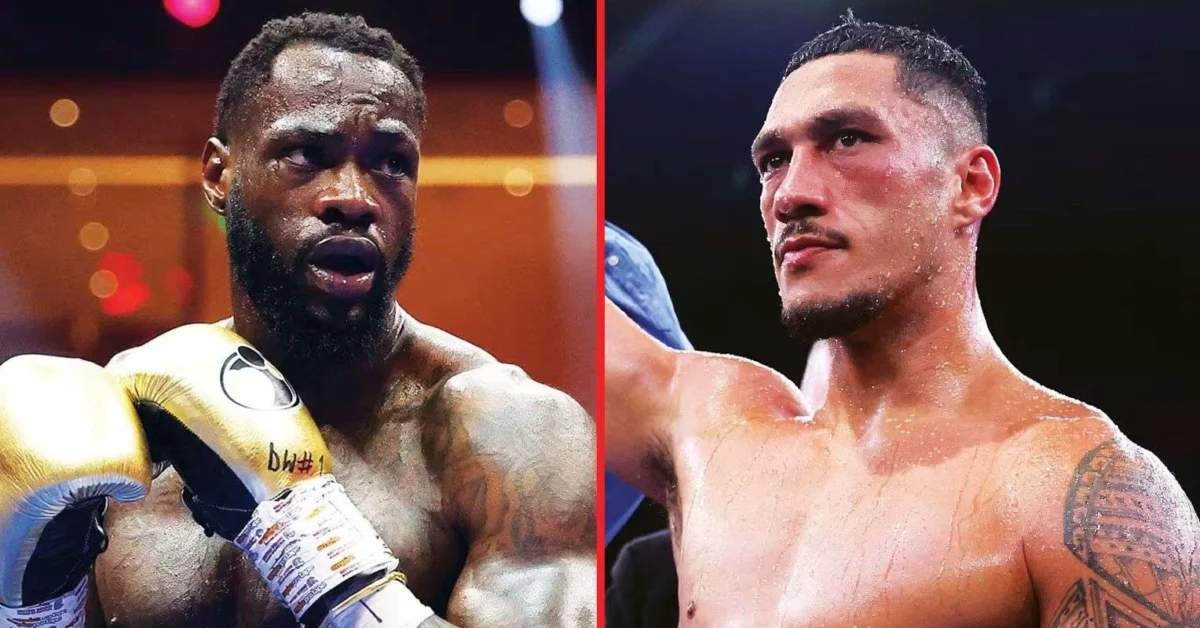
The upcoming blockbuster event headlined by the long-awaited showdown between Tyson Fury and Anthony Joshua next month has added another massive layer of intrigue to its high-profile bill. In a captivating co-main event that has caught the boxing world by surprise, former long-reigning heavyweight champion Deontay Wilder is scheduled to step into the ring against undefeated two-time cruiserweight world ruler Jai Opetaia. The unexpected cross-divisional matchup pits one of the most feared knockout artists in heavyweight history against one of the sport’s most dynamic active champions, prompting intense debate among fighters, trainers, and analysts across the globe.
Weighing in on the marquee contest, former WBA super-middleweight world champion George Groves has shared his technical prediction for the clash, forecasting a dramatic outcome. Speaking in an interview with Pro Boxing Fans, Groves backed Opetaia to overcome the size and power disparity, predicting that the Australian will not only secure the victory but will do so by stopping the veteran American inside the distance. Groves explained that his assessment is rooted in a thorough understanding of both fighters, having spent quality time around their respective teams while observing their contrasting career trajectories.
Groves made it clear that while he maintains a positive personal rapport with both camps, his professional analysis leads him to believe that Opetaia’s physical prime and supreme technical capabilities will prove decisive. The former super-middleweight champion pointed out that at this junction in their respective careers, Opetaia’s upward trajectory starkly contrasts with the twilight stage of Wilder’s storied career.
"I think that Opetaia wins. I think that he does stop Wilder and we have a good relationship with both camps, both guys," Groves stated when analyzing the matchup. "We have spent some quality time with Opetaia and his team and we do think that he is a supreme talent."
Elaborating further on the fundamental differences in momentum between the two combatants, Groves emphasized that Opetaia represents an evolving fighter who has yet to peak, whereas Wilder is battling against the natural decline that comes with age and extended wear and tear in the ring.
"I think that he is a tremendous fighter and I think that maybe his best is still to come for him," Groves explained regarding Opetaia. "For Wilder, you can’t say the same, you can’t say that the best is to come with Wilder. I think that it is a dangerous fight for him."
The matchup arrives at a critical juncture for Wilder, who has been searching for stability and momentum after a turbulent period in the heavyweight ranks. Back in April, the American managed to get his career back on track by scoring a much-needed victory over British veteran Derek Chisora. That hard-fought encounter ended in an entertaining split decision, giving Wilder a crucial win to rebuild his standing in the division.
Following the victory over Chisora, high-level discussions began circulating regarding Wilder’s next move. For several weeks, the powerhouse from Alabama was heavily linked as the preferred opponent for unified heavyweight king Oleksandr Usyk in what was being framed as the Ukrainian superstar’s potential "farewell fight." A showdown between Usyk’s elite movement and Wilder’s explosive power generated massive excitement across the sport. However, those preliminary talks ultimately collapsed in recent weeks, forcing Wilder’s team to pivot toward alternative high-stakes opportunities, culminating in the agreement to face Opetaia on the Fury-Joshua undercard next month.
Despite recent setbacks and performance fluctuations, Wilder remains one of the most dangerous figures in combat sports. Now 41 years old, "The Bronze Bomber" may no longer exhibit the sharpest work rate or relentless volume of his younger years, but he continues to possess the undisputed equalizer: devastating, fight-ending one-punch knockout power. Throughout his career, Wilder’s right hand has proved capable of erasing structural defects and changing the outcome of a bout in a single millisecond, making him an omnipresent threat regardless of how many rounds he might be losing on the scorecards.
For Opetaia, taking a fight against a puncher of Wilder’s caliber represents a bold, high-risk strategic shift. The undefeated Australian has spent his entire professional career establishing dominance in the cruiserweight division, establishing himself as a formidable force at 200 pounds as a two-time world champion. However, Opetaia’s tenure at cruiserweight has been accompanied by complex out-of-ring maneuvering and governance battles.
Prior to signing up for this heavyweight venture, Opetaia had been actively pursuing opportunities to unify the cruiserweight division and secure an undisputed crown. He had been frequently mentioned in connection with high-profile bouts, including potential clashes with unified world champion David Benavidez. Simultaneously, Opetaia has been navigating an ongoing legal struggle off the canvas. The Australian fighter is currently awaiting the final verdict of a lawsuit filed against the International Boxing Federation (IBF). A favorable court ruling could result in Opetaia being officially reinstated as the IBF 200-pound world champion, restoring his hardware and sanctioning body status in the division.
Despite that unresolved legal process and his established position at cruiserweight, Opetaia elected to accept the sudden invitation to step into boxing’s glamour division. The upcoming co-main event encounter will serve as the ultimate test of whether his blistering speed, aggressive combination punching, and inherent power can successfully translate to the heavyweight ranks against a genuine giant of the weight class.
The transition from cruiserweight to heavyweight has historically presented immense tactical challenges. While smaller fighters often hold advantages in footwork, hand speed, and stamina, taking hits from a natural heavyweight—especially one with Wilder’s legendary punching power—requires absolute defensive vigilance. Groves’ belief that Opetaia can not only survive Wilder’s power but actively break down and stop the former heavyweight champion underscores the immense confidence that observers have in the Australian’s ceiling.
The impending contest also raises compelling long-term questions regarding Opetaia’s future direction. It remains to be seen whether his move up to heavyweight next month is merely an adventurous, high-reward detour before returning to settle unfinished business at cruiserweight in 2027, or if a decisive victory over Wilder will make his transition to the heavyweight division a permanent one.
What is certain is that neither fighter can afford to lose focus on the immediate challenge ahead. For Opetaia, stepping into the ring against a 41-year-old Wilder carrying world-class knockout power leaves zero margin for error. A single lapse in concentration could derail his clean record and major title ambitions. Conversely, for Wilder, facing a fast, hungry, and undefeated dynamic fighter like Opetaia poses severe risk to his remaining upper-echelon career prospects.
As the countdown continues toward next month’s monumental event featuring Fury and Joshua at the top of the bill, the explosive co-main event between Wilder and Opetaia stands as one of the most intriguing cross-divisional experiments in recent boxing history, with George Groves and many across the combat sports community eagerly awaiting to see if youth, speed, and technique will prevail over proven heavyweight power.